




01. Edit your form online
Type text, add images, blackout confidential details, add comments, highlights and more.

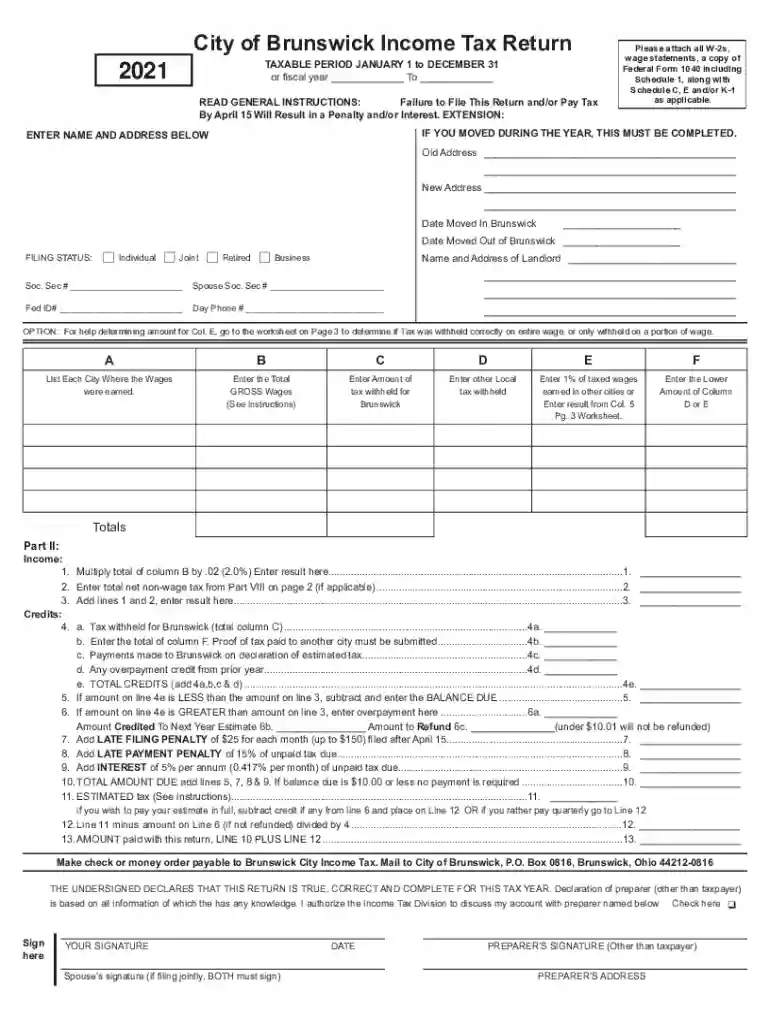
Type text, add images, blackout confidential details, add comments, highlights and more.

Draw your signature, type it, upload its image, or use your mobile device as a signature pad.

Send it via email, link, or fax. You can also download it, export it or print it out.
The form available at "support.microsoft.comen-usofficeAdd or remove line numbers - Microsoft Support" provides guidance on how to add or remove line numbers in Microsoft Office documents. It is aimed at helping users improve document readability and organization, especially in long documents where line reference is needed for editing or collaboration purposes.
To use the instructions provided in this Microsoft Support guide, users should follow the step-by-step directions corresponding to the specific Office application in use, such as Word or Excel. These directions generally involve navigating through the application's menu to find the line numbering options, applying or removing them, and customizing their appearance as needed.
Professionals such as editors or legal document drafters frequently utilize line numbering when precise referencing is crucial. For instance, in a legal document, line numbers allow attorneys to quickly refer to specific parts of text during discussions.
In legal documents, line numbering is crucial for adhering to court requirements that mandate clear reference structures. This feature enhances compliance with procedural rules and facilitates smoother legal processes.
Microsoft Word and other Office applications allow for digital editing with line numbering, which can then be printed without altering formatting. The digital version provides real-time updates and customizations, while the paper version is typically static but easier for physical annotation.
While primarily used in Microsoft Office applications like Word, Word Online, and Word for Mac, line numbering features can also be replicated or viewed using alternative software like Google Docs, though setup instructions might differ slightly.
Though the fundamental use of line numbers remains constant, state-specific legal documents may have varying requirements on how line numbers are applied. It is crucial for businesses like legal firms to adhere to local guidelines specified by state courts or agencies.
The guide on adding or removing line numbers via Microsoft Support is an essential tool for enhancing document clarity and compliance across various fields. Its utility spans legal, academic, and professional domains, providing a structured approach to document annotation and organization.
We've got more versions of the support.microsoft.comen-usofficeAdd or remove line numbers - Microsoft Support form. Select the right support.microsoft.comen-usofficeAdd or remove line numbers - Microsoft Support version from the list and start editing it straight away!
Signing paperwork on a mobile device is fast, straightforward, and doesn’t require software installation when you have an account with DocHub. Sign in from any browser, fill in your empty fields with your data, and click on Sign → Create your signature. You can draw your electronic signature just as you usually do on paper, add its image to your support.microsoft.comen-usofficeAdd or remove line numbers - Microsoft Support, or type in your name and stylize its look. Whatever option you select, your paperwork will be valid.
You can complete and sign your support.microsoft.comen-usofficeAdd or remove line numbers - Microsoft Support on the internet, even on a tight deadline. All you need to access high quality editing instruments on any device is a DocHub profile, that you can sign up in just a couple of moments. Once you sign up, upload your document or find what you are searching for in our catalog, complete it utilizing the editing instruments you want, and put your electronic signature on it at the end.
At DocHub, your data security is our priority. We follow HIPAA, SOC2, GDPR, and other standards, so you can work on your documents with confidence.
This support means that after two-step verification is turned on, you wont need app passwords for Office 2013 clients. For more info, see the How modernRead more
Apr 1, 2024 Teams Community Guidelines are also published on a Microsoft website: more
his book provides you with an introduction to the Microsoft automation solutions: Azure. Automation and Service Management Automation.Read more


