
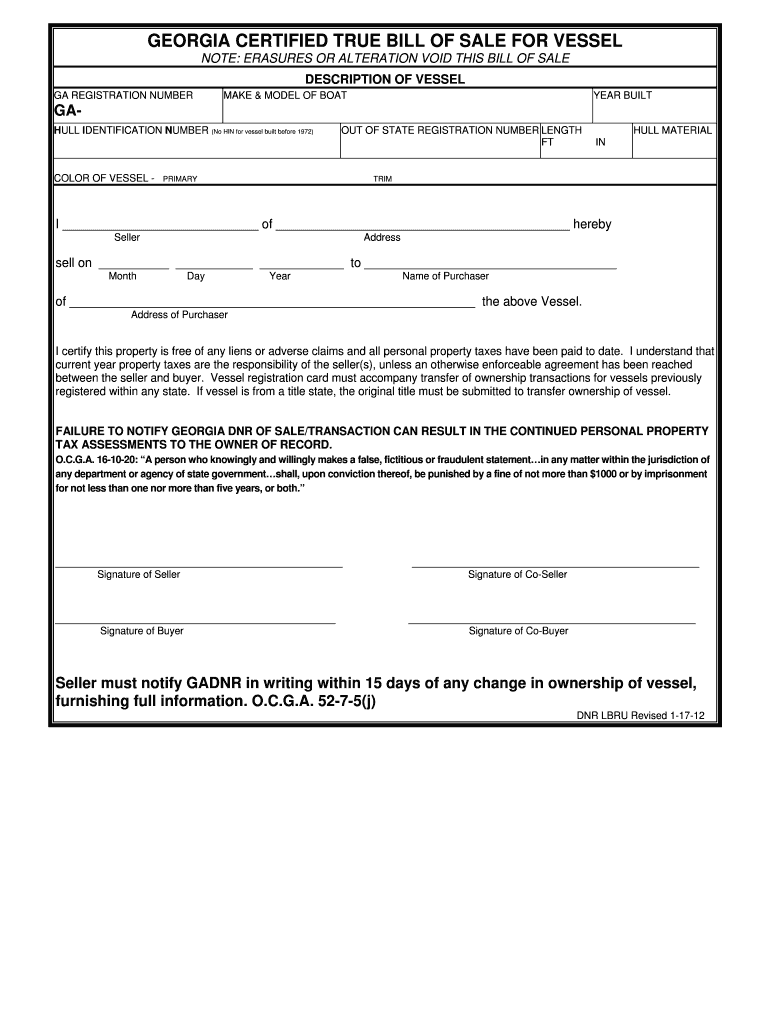







Definition and Purpose of the LBRU
The LBRU is a specialized form used primarily in legal and regulatory contexts. It serves as a structured document that assists in various administrative and compliance processes, which could include licensing, registration, or updating official records. The exact function of the LBRU may vary depending on the jurisdiction or the specific regulatory body involved. The LBRU aims to provide a cohesive and standardized method for collecting relevant information required for legal or organizational purposes, streamlining the workflow and ensuring consistency across submissions.
Key Functions
- Information Collection: Gathers essential data related to the entity or individual subject to the form.
- Compliance Verification: Ensures that all regulatory requirements are met before approvals are granted.
- Record Keeping: Acts as an official record that can be referred back to in the event of audits or reviews.
Practical Applications
- Business Registrations: Used in the process of registering a new business or entity with relevant authorities.
- License Applications: Applied in obtaining necessary licenses for operations within specific sectors or jurisdictions.
How to Use the LBRU
Using the LBRU effectively requires a clear understanding of its components and purpose. The form must be filled out accurately to ensure compliance and avoid potential legal implications.
Steps for Effective Utilization
- Review Instructions: Start by carefully reading the accompanying instructions to understand the required information.
- Gather Information: Collect all necessary documentation and data needed to complete the form.
- Fill Out the Form: Enter the required information accurately, ensuring no sections are left incomplete.
- Verify Details: Double-check all inputs for accuracy before submission to prevent delays or rejections.
Considerations When Completing the LBRU
- Accuracy: All data entered must be correct and verifiable.
- Completeness: Ensure that no mandatory fields are left blank.
- Clarity: Use clear and concise language to avoid misunderstandings.
Steps to Complete the LBRU
Completing the LBRU involves several precise steps, which are crucial for ensuring that the document fulfills its intended function without issues.
Detailed Process
-
Preparation:
- Identify the information required and prepare the necessary documents in advance.
- Understand any legal terms and conditions outlined in the form.
-
Entering Data:
- Systematically enter information into the designated fields, following the instructions provided.
- Pay attention to sections requiring specific formats or details.
-
Review:
- Conduct a thorough review to check for any errors or omissions in the completed form.
- Correct any discrepancies before proceeding to submission.
-
Submission:
- Submit the form through the designated method, whether online, by mail, or in person, ensuring all protocols are followed.
Important Terms Related to the LBRU
Understanding the terminology associated with the LBRU is essential for accurate completion and compliance.
Common Terms
- Applicant: The individual or entity submitting the form.
- Verification: The process of confirming the accuracy of the information provided.
- Submission Method: The approved format through which the completed form is delivered.
Examples
- Verification: Involves cross-referencing details with existing records to validate authenticity.
- Submission Method: Options typically include online submission portals, postal mail, or direct, in-person delivery to relevant offices.
Legal Use of the LBRU
The legal use of the LBRU pertains to its role in regulatory compliance and validation processes. Its submission demonstrates adherence to specific legal requirements imposed by governing bodies.
Legal Considerations
- Compliance: The LBRU must be completed in accordance with prevailing laws and regulations applicable to its context.
- Legal Binding: The information provided within becomes legally binding once submitted and accepted by the relevant authority.
Example Scenarios
- Business Registration: Validates that a business entity meets all legal requirements to operate in a given jurisdiction.
- License Application: Confirms that applicants meet regulatory standards necessary for license approvals.
State-Specific Rules for the LBRU
The application of the LBRU can differ notably from one state to another, influenced by local laws and regulations.
Regional Variations
- Documentation Requirements: Varying lists of necessary supporting documents depending on state-specific criteria.
- Filing Procedures: Differences in how forms are to be submitted, including potential fees or additional paperwork.
Examples of Differing Rules
- California: Might require additional environmental compliance documents for certain business licenses.
- Texas: Could necessitate supplemental local government approvals for operational licenses.
Required Documents for the LBRU
Compiling the correct set of documents is crucial for the timely and successful submission of the LBRU.
List of Common Documents
- Identification: Government-issued ID such as a driver's license or passport.
- Business Licenses: Copies of existing licenses or certifications.
- Financial Records: Recent financial statements or tax documents, if applicable.
Explanation
- Identification: Verifies the authenticity of the applicant.
- Financial Records: Used to determine eligibility based on financial standing, if pertinent to the form's purpose.
Who Typically Uses the LBRU
Identifying the primary users of the LBRU aids in recognizing its utility across various sectors.


Typical Users
- Business Owners: Involved in documenting operations, licenses, or compliance.
- Legal Representatives: Act on behalf of clients needing regulatory approvals or documentation.
- Regulatory Bodies: Utilize the form to track compliance and manage administrative processes.
Use Cases
- Startups: New businesses might need to submit an LBRU as part of their licensing requirements.
- Legal Advisories: May complete the LBRU on behalf of clients to ensure all legal conditions are met.




