Arizona Laws 14-2504. Self-proved wills; sample form ...-2026

Get Form
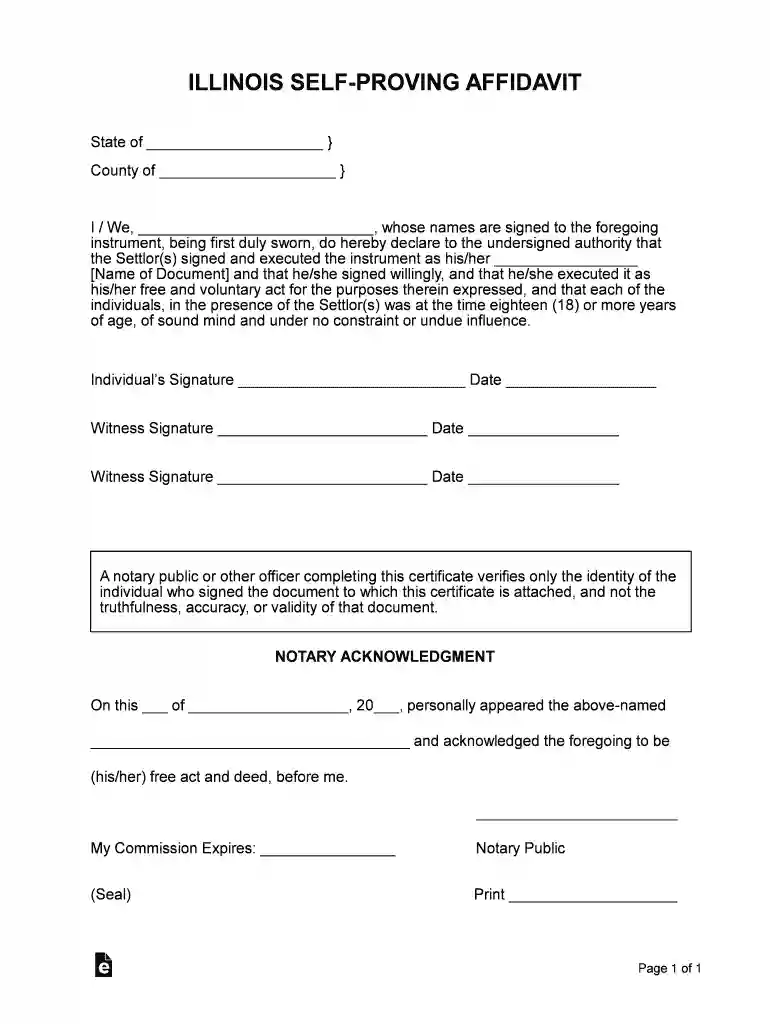
ars 14 2504 Preview on Page 1

Here's how it works

01. Edit your ars 14 2504 online
Type text, add images, blackout confidential details, add comments, highlights and more.

02. Sign it in a few clicks
Draw your signature, type it, upload its image, or use your mobile device as a signature pad.

03. Share your form with others
Send it via email, link, or fax. You can also download it, export it or print it out.

Definition & Meaning

The Arizona Laws 14-2504: Self-proved wills sample form offers a legal frame within which individuals can formalize the creation of a self-proved will. This type of will incorporates an affidavit signed by witnesses, which affirms the authenticity of the will. The aim is to streamline the probate process by eliminating the need for witness testimony in court when the will is executed. In essence, a self-proved will is a legal document recognized by Arizona laws to ensure the intentions of the testator (the person making the will) are honored posthumously.

How to Use the Arizona Laws 14-2504: Self-proved Wills Sample Form

To effectively utilize the Arizona Laws 14-2504 form, individuals should start by ensuring that they fully complete the will form with all necessary personal information and lists of assets. The primary step involves writing down the details of beneficiaries and how the assets are to be distributed among them. Once the will is completed, it must be signed in the presence of at least two witnesses. These witnesses then sign an affidavit attached to the will, verifying that the will was signed by the testator willingly, without duress, and that the testator was of sound mind. This affidavit is what makes the will self-proving.

Witness Affidavit

  • The affidavit is critical as it establishes the validity of the will, ensuring it bypasses the usual probate procedures.
  • It must be signed at the same time as the will, in the presence of a notary public.

Steps to Complete the Arizona Laws 14-2504: Self-proved Wills Sample Form

  1. Prepare Information: Gather all necessary information about assets, beneficiaries, and decide on an executor.
  2. Draft the Will: Write down all the provisions and distribute the estate as desired.
  3. Arrange Witnesses: Choose at least two witnesses, ensuring they are not named as beneficiaries in the will.
  4. Sign the Will: In the presence of the witnesses, sign the will to affirm its authenticity.
  5. Notarization: Have the witnesses sign the affidavit attached to the will in front of a notary public.

Importance of Notarization

  • Notarization ensures legal recognition and authenticity, offering protection against potential disputes.

Key Elements of the Arizona Laws 14-2504: Self-proved Wills Sample Form

  • Testator Information: Full legal name and address.
  • Date of Will: The date the will is signed; crucial for establishing the will's validity.
  • Beneficiaries: Details of all individuals or entities slated to receive parts of the estate.
  • Distribution Instructions: Explicit directions on how assets are to be allocated.
  • Witness Affidavit: The affidavit section which is signed by witnesses ensuring legal compliance.
  • Notary Details: The notary's signature, seal, and acknowledgment.

Legal Use of the Arizona Laws 14-2504: Self-proved Wills Sample Form

In Arizona, the self-proved will form is used to ensure a will is accepted without the Court requiring further evidence to validate it during probate. This process minimizes disputes over the will's ambiguity and challenges related to testamentary capacity or undue influence. Its utilization is particularly beneficial in safeguarding the testator's intent and expediting the legal allocation of the estate.

Protection in Probate

  • By eliminating the need for witness testimony, self-proved wills make the probate process smoother and less contentious.

State-Specific Rules for the Arizona Laws 14-2504: Self-proved Wills Sample Form

Arizona has specific statutes under § 14-2504 that govern the making of self-proved wills. These statutes intend to simplify and provide a clear legal path to validate wills, saving time and resources during probate proceedings. Despite the straightforward state requirements, the will must still comply with the broader legal prevalents concerning wills and probate law within Arizona.

Who Typically Uses the Arizona Laws 14-2504: Self-proved Wills Sample Form

Typically, individuals wanting assurance that their estate will be managed according to their wishes in the event of incapacitation or death use this form. This includes:


  • Older adults aiming for secure legal frameworks for property and asset distribution.
  • Individuals with complex family structures, such as blended families or those with dependents needing special care.
  • Business owners or those with substantial assets requiring clear delineation of asset control.
decoration image ratings of Dochub

Important Terms Related to Arizona Laws 14-2504: Self-proved Wills Sample Form

Understanding the following terms is crucial when using the Arizona self-proved will form:

  • Testator: The person making the will.
  • Beneficiary: An individual or entity intended to receive benefits from the estate.
  • Executor: A person assigned the responsibility of executing the provisions of the will.
  • Affidavit: A sworn statement used to verify the validity of the will.
  • Notary Public: An official authorized to assure the legal authenticity of signatures.

These definitions assist individuals in navigating legal languages and fulfilling the requirements effectively.

be ready to get more

Complete this form in 5 minutes or less

Get form

Got questions?

We have answers to the most popular questions from our customers. If you can't find an answer to your question, please contact us.
Contact us

Electronic document signing requires a software solution that works in compliance with data protection and eSignature laws. DocHub is a perfect tool for that, because it meets all the aforementioned requirements. Whatever method you prefer to sign your Arizona Laws 14-2504. Self-proved wills; sample form ... in DocHub, your electronic signature will be legally binding and court-admissible.

You can easily edit and complete your Arizona Laws 14-2504. Self-proved wills; sample form ... on any iOS device. Open an internet browser of your choice, visit the DocHub website, authorize or create a new account, add your file for editing, and make your required adjustments. Our service is mobile-friendly, so utilizing its functions on your smartphone will be a no-brainer, even on the first try.

At least two witnesses must also sign the will. These witnesses need to see the testator sign the will or acknowledge their signature on the will. The witnesses do not have to read the will or know what is inside it, but they must understand that the document they are witnessing is intended to be a will.
In some states, you can attach whats called a Self-Proving Affidavit to your codicil. This is a document that is signed by you and at least two witnesses under oath before a public notary.
Generally a Self Proving Affidavit includes information such as: You are the creator and signer of the Will. Your witnesses saw you sign the Will. Your witnesses also signed the Will.

Security and compliance

At DocHub, your data security is our priority. We follow HIPAA, SOC2, GDPR, and other standards, so you can work on your documents with confidence.

Learn more
ccpa2
pci-dss
gdpr-compliance
hipaa
soc-compliance
be ready to get more

Complete this form in 5 minutes or less

Get form

People also ask

14-2504, a Will may be adopted and be self-proved before or after it is signed if it is acknowledged by the testator and by affidavits of the witnesses if the acknowledgment and affidavits are made before an officer authorized to administer oaths under the laws of the state in which execution occurs and are
Under California Probate Code 6121, a codicil must meet the same legal requirements as the original will, including written documentation, the testators signature, and the presence of two witnesses.
A holographic Will may be made self-proved at any time during the testators lifetime by the attachement or annexation thereto of an affidavit by the testator to the effect that the instrument is his last Will; that he was at least eighteen years of age when he executed it (or, if under such age, was or had been
However, self-proving affidavits provide an obvious advantage: by ensuring that your will is legitimate and free from legal error, you can effectively eliminate allegations of forgery, coercion, and debilitating mental illness, all of which are among the most common causes of probate contests and litigation.

Related links