




Comprehensive Overview of the Notice of Assignment
Definition and Importance of a Notice of Assignment
A notice of assignment serves as an official document that informs relevant parties of the transfer of rights and interests associated with a contract. This legal instrument is crucial in various industries, including transportation and finance, as it ensures that obligations and entitlements are effectively communicated. For example, in the trucking industry, a notice of assignment might notify clients of a new payment recipient for services rendered under a contract, thereby maintaining the workflow and preventing payment disputes.
Key Elements of the Notice of Assignment
To be effective, a notice of assignment must include specific components:
- Identifying Information: Names and contact details of the assignor (original party), assignee (new party), and relevant third parties (like clients).
- Contract Details: Clear identification of the contract being assigned, including dates and unique identifiers.
- Assignment Clauses: Explicit statement confirming the transfer of rights and what obligations remain with the assignor.
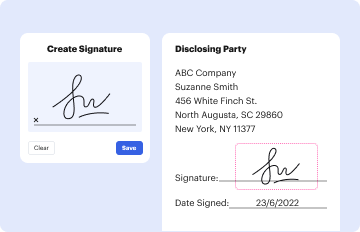
- Signatures: Required signatures from the assignor, assignee, and potentially witnesses or a notary for legal authenticity.
These elements must be present to ensure the document's legality and enforceability in a court of law.
Types and Variants of Notices of Assignment
Notice of assignments can take different forms depending on the industry and specific needs. Common variants include:
- Notice of Assignment for Trucking: Often associated with contracts for freight transportation, specifying new payment arrangements to carriers or logistics providers.
- Notice of Assignment for Factoring: Used in financial transactions where a business sells its receivables to a factor, clarifying which parties are involved in payment collection.
Each variant may contain unique clauses or formats to meet regulatory mandates or industry standards.
Legal Compliance and Authenticity Requirements
For a notice of assignment to maintain legal standing:
- Notarization: Documents may require notarization to ensure the authenticity of signatures, particularly in formal transactions like real estate or contracts exceeding certain monetary thresholds.
- Recording: In some cases, especially in real estate transactions, recording the notice of assignment with the appropriate government office may be advisable to protect the rights of the assignee.
Understanding jurisdictional requirements is essential for proper notice execution.
Practical Use Cases of the Notice of Assignment
The notice of assignment is widely used across various sectors:
- Trucking Companies: A trucking business assigns its right to receive future payments from clients to a factoring company, using a notice of assignment to communicate this change.
- Healthcare Providers: A medical office might use a notice of assignment to authorize an insurance company to pay the healthcare provider directly rather than the patient.
- Real Estate Transactions: When sellers assign their rights to lease a property to a new buyer, a notice of assignment details the terms and any pertinent obligations.
Such scenarios demonstrate the document's versatility across different contractual arrangements.
Steps to Execute a Notice of Assignment
Completing and using a notice of assignment involves several methodical steps:
-
Draft the Document:
- Include all identifying information and details of the contract.
- Specify rights being assigned and any obligations retained by the assignor.
-
Secure Signatures:
- Obtain the required signatures from all involved parties.
- In certain cases, arrange for notarization.
-
Distribute Copies:
- Provide copies to all relevant parties, including clients, financial institutions, or recorders if applicable.
- Retain one copy for personal records for future reference.
Following these steps ensures clarity in communication and protects the interests of all parties involved.
Challenges and Considerations
Several challenges may arise when utilizing a notice of assignment, including:
- Disputes Over Terms: If the notice is unclear or poorly drafted, it can lead to disputes regarding the terms of the assignment.
- Failure to Notify All Parties: Not properly informing all relevant parties can result in continued payments to the assignor, complicating future transactions.
- Jurisdictional Variability: Compliance with state-specific rules is crucial, as variations in laws can impact the validity of the notice.
Addressing these challenges through careful planning and legal counsel is advisable to ensure successful execution.
Summary of Legal Guidelines and Best Practices
To ensure the effective use of a notice of assignment, it is important to follow best practices including:
- Consulting legal guidelines pertinent to the specific contract and jurisdiction.
- Utilizing a template or professional assistance for drafting complex assignments.
- Keeping all documentation organized and easily accessible for verification during audits or disputes.
Adhering to these practices can enhance the efficiency and reliability of contract assignments across various business operations, particularly in sectors with complex financial arrangements.