
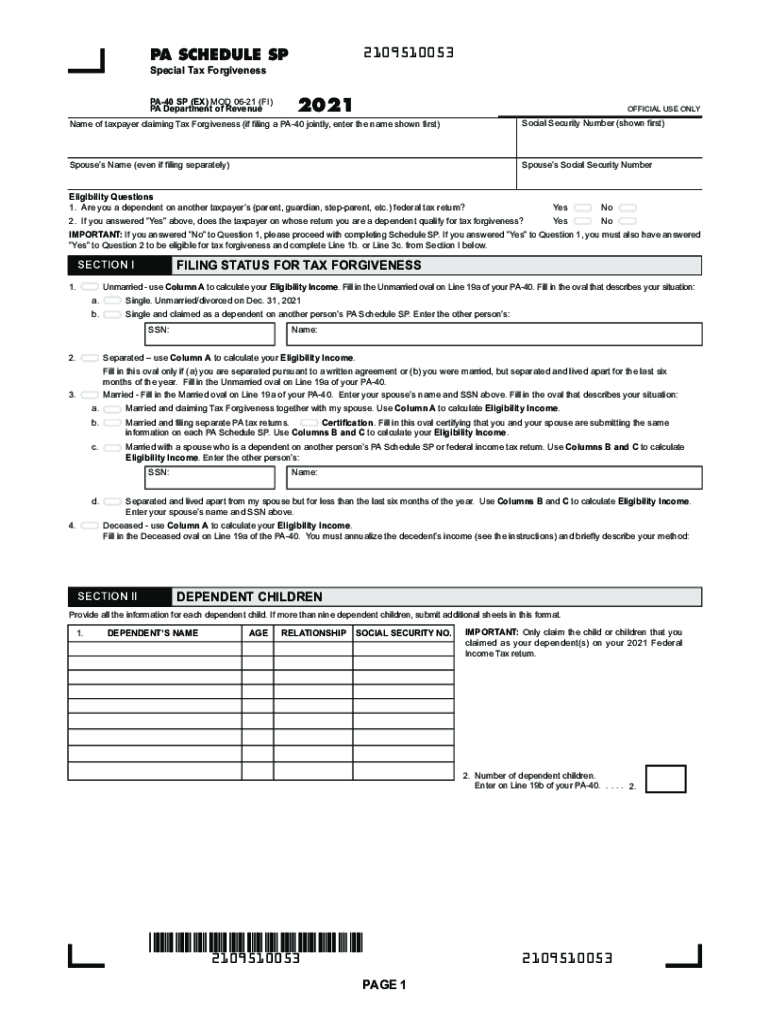







Definition & Meaning
The "revenue FormsandPublicationsFormsHelpFill-in and Print-Only Forms Information" refers to a set of documentation designed for tax and revenue purposes. These forms are crucial for individuals and businesses in the United States to report their financial data to the IRS or state revenue departments. Designed to collect detailed information, these forms range from tax declarations to financial statements and must be accurately filled to comply with regulatory requirements.
Key Aspects
- Purpose: Facilitate accurate reporting of financial transactions to government authorities.
- Usage: Required for tax filing and financial disclosure.
- Importance: Compliance with these forms prevents legal complications and fines.
How to Use the Forms
To effectively use the revenue Forms and Publications Forms, it is important to understand each section of the form. Begin by reviewing the instructions provided with the form to understand which sections apply to your situation.
Steps for Effective Use
- Read the Instructions: Begin by carefully reading the accompanying instructions.
- Gather Information: Collect all necessary financial records and documents related to income, deductions, and credits.
- Fill Out Relevant Sections: Complete the sections applicable to your situation.
- Review for Accuracy: Double-check all entries for accuracy and completeness before submission.
Obtaining the Forms
There are several methods to obtain the revenue Forms and Publications Forms necessary for your situation. Government websites, such as the IRS or state tax departments, typically offer these forms for download.
Sources for Form Acquisition
- IRS Website: Access the latest federal forms directly online.
- State Revenue Sites: Obtain state-specific forms tailored to individual state regulations.
- Physical Copies: Available at post offices and local government offices upon request.
Steps to Complete the Forms
Completing the revenue Forms requires attention to detail and accurate data entry. Follow a systematic process to ensure each relevant section is thoroughly filled.
Completion Process
- Identify Required Sections: Consult instructions to determine applicable portions.
- Enter Personal Information: Start with your full name, address, and Social Security number.
- Document Financial Details: Fill in income, deductions, exemptions, and credits as needed.
- Review & Sign: Carefully review each entry, sign, and date the form where required.
Importance of Accurate Form Completion
Accurately completing the revenue Forms is crucial for compliance and avoiding penalties. Precise data entry ensures that your financial obligations are met and prevents future legal issues.
Benefits of Accuracy
- Avoiding Penalties: Inaccurate forms can result in audits and financial penalties.
- Favorable Outcomes: Accurate submissions may qualify you for tax benefits and credits.
- Record Keeping: Serve as reliable financial records for future reference.
Who Typically Uses These Forms
A wide range of individuals and businesses needs to use the revenue Forms for tax compliance. These forms are essential for different taxpayer groups.


Typical Users
- Individual Taxpayers: Those filing personal income taxes.
- Businesses: Corporations, LLCs, partnerships.
- Self-Employed Individuals: Freelancers and independent contractors.
Key Elements of the Forms
The revenue Forms are composed of several key sections, each designed to capture specific financial information.
Primary Components
- Income Reporting: Document various income sources.
- Deductions and Credits: Capture eligible deductions and potential tax credits.
- Declaration and Signature: Confirm the accuracy of the information provided with a signature.
Form Submission Methods
Form submissions can be completed through various channels, ensuring flexibility for the taxpayer.
Submission Options
- Online: Submit electronically via the IRS e-file system or state portals.
- Mail: Send physical copies to designated IRS or state department addresses.
- In-Person: Deliver documents directly to government offices for direct submission.
Required Documents
To complete the revenue Forms, several supporting documents may be required to verify the information provided.
Necessary Documentation
- W-2 or 1099 Forms: Statements of income from employers or clients.
- Proof of Deductions: Receipts and invoices for deductible expenses.
- Financial Statements: Bank statements and other financial assets documentation.
Filing Deadlines / Important Dates
Adhering to filing deadlines for the revenue Forms is crucial to avoid late fees and penalties.
Key Dates
- Federal Tax Deadline: Generally falls on April 15 for individual tax returns.
- State Tax Deadlines: Varies by state; check local guidelines.
- Extension Requests: File for an extension if unable to meet the initial deadline.
IRS Guidelines
The IRS provides comprehensive guidelines to assist taxpayers in accurately completing the revenue Forms.
Guidelines Overview
- Instructions Manuals: Available for detailed explanations of each section.
- FAQs: Common questions and answers are available on the IRS website.
- Helplines: IRS helpline for personalized assistance and clarification.




