



01. Edit your pennsylvania sellers disclosure form 2024 online
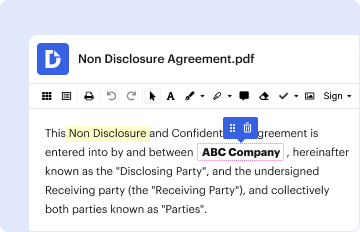
Type text, add images, blackout confidential details, add comments, highlights and more.

Type text, add images, blackout confidential details, add comments, highlights and more.
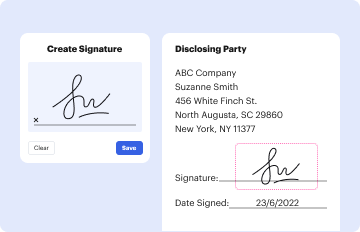
Draw your signature, type it, upload its image, or use your mobile device as a signature pad.

Send seller lied on property disclosure statement pennsylvania via email, link, or fax. You can also download it, export it or print it out.
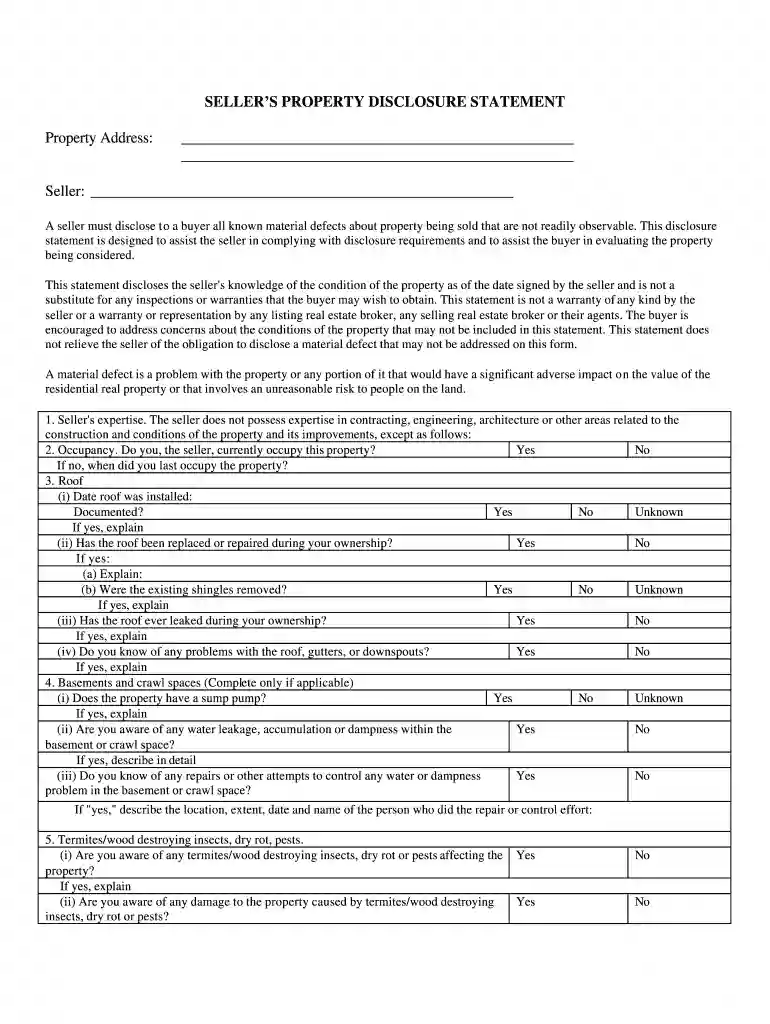
The Pennsylvania Disclosure, often known as the Seller's Property Disclosure Statement, is a critical document in real estate transactions within Pennsylvania. This form obligates the seller to reveal any known material defects regarding the property to potential buyers. It covers various aspects of the property's condition, such as the structure, systems, and surrounding environmental conditions. While comprehensive, the disclosure is not a substitute for professional inspections and does not exempt sellers from disclosing defects not explicitly listed in the form. Understanding the purpose and scope of this disclosure is crucial for both buyers and sellers in ensuring a transparent transaction.
To effectively use the Pennsylvania Disclosure, sellers should complete the form with utmost honesty and diligence. The disclosure form requires sellers to provide information about:
Sellers should fill out each section accurately and disclose any past repairs or known issues. Buyers, on their part, should carefully review the disclosure to identify any potential concerns and use it as a foundation for further inspections. Ensuring the disclosure is completed correctly can protect sellers from future liability and assist buyers in making informed decisions.
Review the Form: Familiarize yourself with each section of the disclosure to understand the required information.
Gather Information: Collect details about the property's systems, structure, and history of repairs or issues.
Complete the Form: Fill out each section accurately, offering detailed explanations for any defects or repairs.
Attach Additional Documents: If necessary, attach supporting documentation, such as inspection reports or repair invoices.
Consult a Professional: Consider getting assistance from a real estate agent or attorney to ensure compliance with legal requirements.
Deliver to Buyer: Once completed, deliver the form to the buyer before signing the sale agreement, allowing them to review and raise any queries.
The Pennsylvania Disclosure covers several key elements crucial for a comprehensive understanding of the property's condition:
Property Structure: Information on the foundation, roof, and walls, including recent updates or repairs.
Interior Features: Details about plumbing, electrical systems, heating, and cooling systems.
Environmental Factors: Presence of hazardous substances like asbestos, radon, or lead-based paint.
Legal Disputes: Any ongoing legal disputes or claims related to the property.
The disclosure requires sellers to provide detailed and truthful information, facilitating a transparent transaction process.
This form is legally mandated in Pennsylvania for virtually all home sales, designed to ensure that buyers receive full and honest disclosure of a property's condition. By filling out the disclosure accurately and in good faith, sellers protect themselves legally, as the completed form serves as evidence of what information was disclosed at the time of sale. Both buyers and sellers should regard this document as an essential part of the real estate transaction process, safeguarding against potential disputes.
Utilizing the Pennsylvania Disclosure benefits all parties in a real estate transaction by:
This form is integral to fostering a fair and equitable real estate market, emphasizing the importance of honesty in property transactions.
For a complete and compliant Pennsylvania Disclosure, sellers are obligated to disclose any known material defects or repairs undertaken in the past. The form requires sellers to respond to questions covering different aspects of the property, detailing any issues that might impact its value or desirability. Sellers must disclose previous alterations or upgrades and any occurrences of water damage, pest infestations, or structural problems. Full disclosure is not only a legal requirement but also a best practice to ensure all parties are aware of the property's current state.
Pennsylvania has specific rules regarding the use and requirements of the Seller's Property Disclosure Statement:
Necessary for Most Sales: Required for nearly all residential real estate transactions, with few exceptions such as new constructions under a year old or transfers between family members.
Time Frame: The form must be handed over before the buyer signs the sale agreement.
Content Accuracy: Sellers must ensure that all information is truthful and complete to avoid later liability.
Adhering to these state-specific rules assures compliance and minimizes risk during the transaction process.
We've got more versions of the pennsylvania sellers disclosure form 2024 form. Select the right pennsylvania sellers disclosure form 2024 version from the list and start editing it straight away!
At DocHub, your data security is our priority. We follow HIPAA, SOC2, GDPR, and other standards, so you can work on your documents with confidence.
Feb 25, 2025 I have been a resident of Pennsylvania during the entirety of the previous 10-year period; OR. I have received the FBI Criminal HistoryRead more
Submit a Financial Disclosure/Statement of Financial Interest for Public Employees and Officials. File your financial disclosure forms and access key resourcesRead more
IMPORTANT NOTES: The instructions accompanying this form must be followed. Complete all parts, checking the NONE box for each part where you have noRead more


