




01. Edit your how to fill out w 4s form sick pay online
Type text, add images, blackout confidential details, add comments, highlights and more.

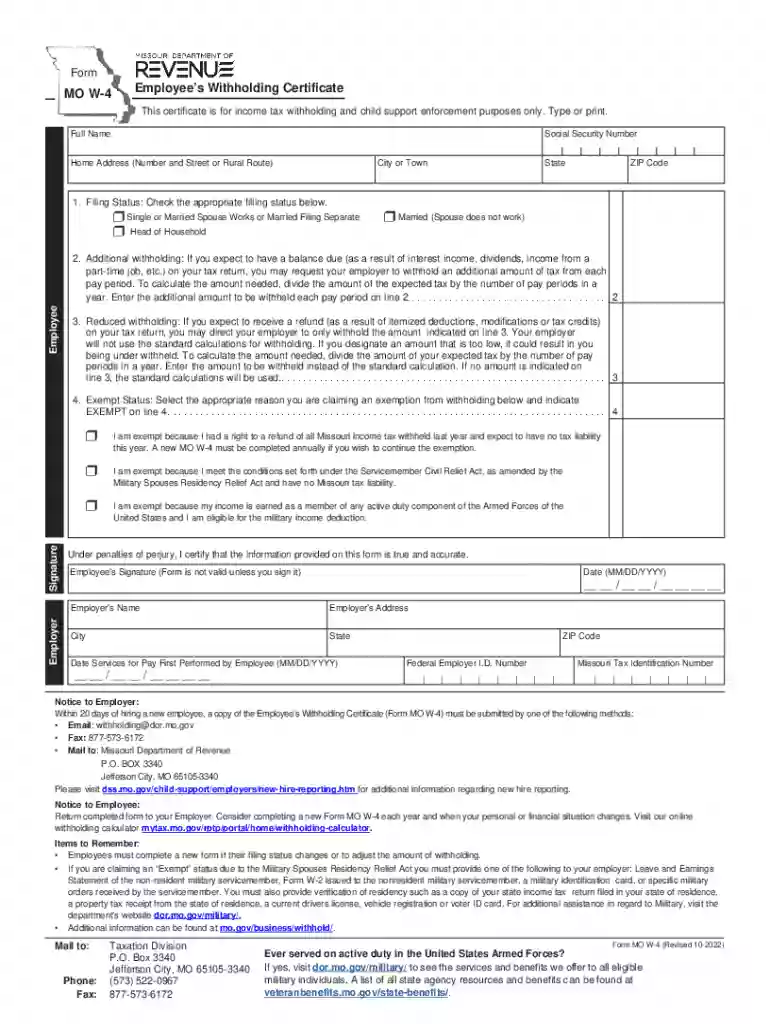
Type text, add images, blackout confidential details, add comments, highlights and more.

Draw your signature, type it, upload its image, or use your mobile device as a signature pad.

Send w 4s form help via email, link, or fax. You can also download it, export it or print it out.
Form W-4S, or "Request for Federal Income Tax Withholding from Sick Pay," is a document used by employees to instruct their employer or insurance company to withhold federal income tax from sick pay. Sick pay refers to the payments made to individuals who are not able to work due to illness or injury and is often disbursed by a third-party insurance provider. The primary purpose of this form is to ensure that appropriate tax amounts are withheld from these payments, similar to how taxes are withheld from regular wages or salaries.
Employees typically use Form W-4S to ensure their tax liabilities are adequately covered by the federal income tax withheld from their sick pay. The form provides instructions for specifying the amount or percentage of tax to be withheld. Taxpayers must complete the form and submit it to the payer of their sick pay—the party responsible for disbursing the payments. This usually involves sharing personal and wage information similar to the regular W-4 form used for paycheck withholding.
Consider a scenario where an employee, John, is temporarily out of work due to surgery and receives $1,000 monthly in sick pay from his company's insurance provider. Using Form W-4S, John requests that 15% of this amount be withheld for federal income taxes, ensuring he meets his tax liabilities without unexpected amounts due come tax season. This proactive approach helps John avoid a lump-sum tax payment at the end of the year.
The IRS provides specific guidelines on completing Form W-4S to ensure compliance. The guidelines include instructions on determining the correct withholding amount based on salary and tax bracket. Additionally, the IRS recommends reevaluating withholding amounts when personal circumstances change, such as marital status or additional sources of income, to avoid over- or under-withholding.
It's important to submit Form W-4S as soon as sick pay arrangements are in place to start withholding taxes promptly. While there is no strict IRS deadline for this form, delays in submission could result in discrepancies in your tax withholding, potentially leading to cash flow issues or unexpected tax bills.
Form W-4S is primarily used by employees receiving compensation from sick pay policies. This includes individuals on short-term or long-term disability due to illness or injury. Additionally, it is used by retirees who may not have traditional salary income but still receive payments that require tax withholding.
The legal framework surrounding Form W-4S ensures that federal income taxes are appropriately collected on sick pay, aligning with taxation regulations for other forms of compensation. The form also aids in maintaining compliance with federal withholding requirements, shielding both the taxpayer and payer from potential legal penalties related to tax evasion or negligence.
Form W-4S can be submitted through various methods:
When submitting Form W-4S, include documentation that verifies personal and payment information, such as identification and detailed statements of sick pay amounts. Having payroll stubs or records from the third-party payer may also be beneficial to ensure accuracy in tax withholding calculations.
By following these guidelines and understanding the use and importance of Form W-4S, employees receiving sick pay can better manage their tax liabilities and avoid surprises during tax season.
We've got more versions of the how to fill out w 4s form sick pay form. Select the right how to fill out w 4s form sick pay version from the list and start editing it straight away!
| Versions | Form popularity | Fillable & printable |
|---|---|---|
| 2024 | 4.4 Satisfied (44 Votes) | |
| 2023 | 4.3 Satisfied (54 Votes) | |
| 2022 | 4.3 Satisfied (48 Votes) | |
| 2021 | 4.9 Satisfied (47 Votes) | |
| 2020 | 4.3 Satisfied (177 Votes) | |
| 2019 | 4.1 Satisfied (34 Votes) | |
| 2018 | 4.4 Satisfied (161 Votes) | |
| 2018 | 4.3 Satisfied (149 Votes) | |
| 2014 | 4.4 Satisfied (301 Votes) | |
| 2013 | 4 Satisfied (27 Votes) | |
| 2012 | 4 Satisfied (37 Votes) | |
| 2010 | 4.3 Satisfied (60 Votes) |
Upload your w 4s for dummies to DocHub (once you’ve set up an account for this). If you need to complete fields in it, use appropriate tools from the upper pane. For example, drop Signature Fields, assign each to a particular party, and click on Sign → Request signatures from others. Personalize your message for your recipients and click Send Request. You can also send your document by fax or as a Signing link instead of using email (you’ll find these options by navigating to the Menu → Send)
If you edit your state of missouri withholding form with DocHub, you merely require a steady web connection and virtually any browser installed on your device. No need to install any third-party software or study guides. Just open a tab with DocHub, drag and drop your file, and modify it on the spot.
At DocHub, your data security is our priority. We follow HIPAA, SOC2, GDPR, and other standards, so you can work on your documents with confidence.
Give this form to the third-party payer of your sick pay, such as an insurance company, if you want Federal income tax withheld from the payments. You are notRead more
Mar 30, 2026 Give Form W-4S to the third-party payer of your sick pay, such as an insurance company, if you want federal income tax withheld from the payments.Read more


