




01. Edit your form online
Type text, add images, blackout confidential details, add comments, highlights and more.

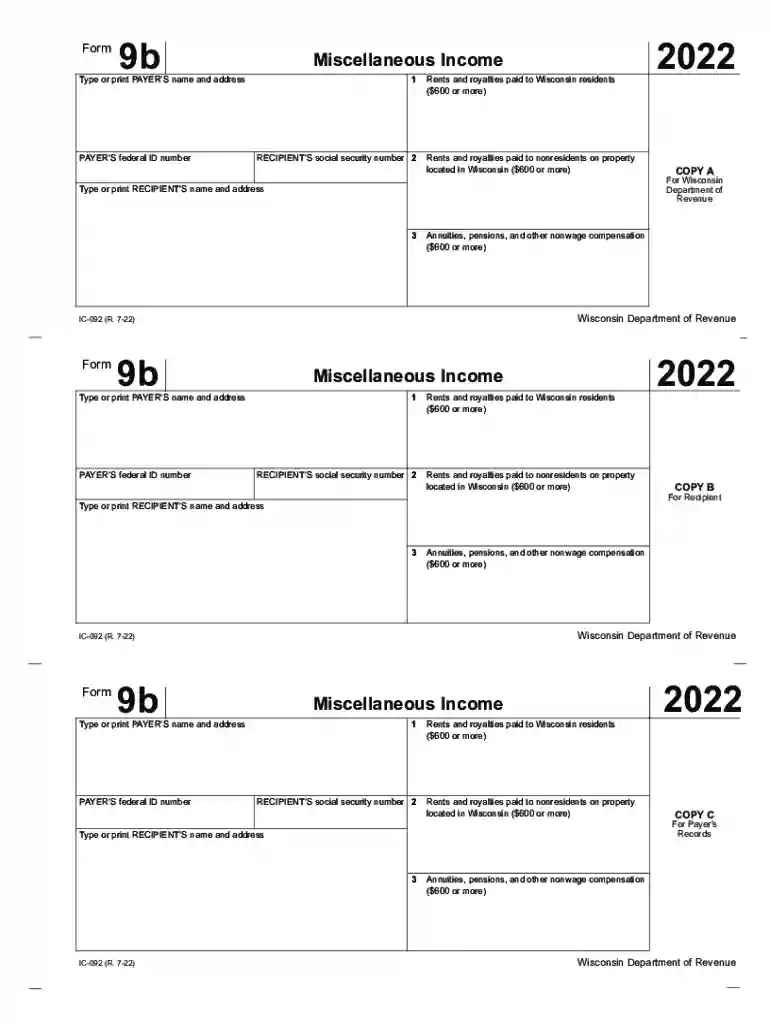
Type text, add images, blackout confidential details, add comments, highlights and more.

Draw your signature, type it, upload its image, or use your mobile device as a signature pad.

Send it via email, link, or fax. You can also download it, export it or print it out.
Supplemental Security Income (SSI) is a federal program designed to provide financial assistance to individuals who are aged, blind, or disabled and have limited income and resources. In Wisconsin, SSI is an essential form of aid for many residents who require additional financial support to meet basic living expenses. The program is administered nationally by the Social Security Administration (SSA) and provides monthly payments to qualified individuals.
Applying for SSI involves several steps, beginning with the initial application and ending with the approval or denial of benefits.
Understanding the legal requirements and responsibilities associated with SSI is crucial for Wisconsin residents.
Failure to comply with SSI requirements, including misreporting income or assets, can lead to overpayment. Recipients may be required to repay these amounts, and in severe cases, legal action may be taken.
Wisconsin provides additional regulations and benefits that SSI recipients should be aware of.
Different programs and variations of SSI exist, catering to different needs and circumstances.
Recipients of SSI in Wisconsin should understand how best to use these benefits to meet their financial needs.
SSI is a critical program for supporting eligible Wisconsin residents who have limited financial resources. By understanding the application process, compliance requirements, and benefits, recipients can maximize their SSI and improve their quality of life.
We've got more versions of the Supplemental Security Income In WisconsinWisconsinSupplemental Security Income In WisconsinWisconsinWisconsin DMV Official Government Site - Real ID form. Select the right Supplemental Security Income In WisconsinWisconsinSupplemental Security Income In WisconsinWisconsinWisconsin DMV Official Government Site - Real ID version from the list and start editing it straight away!
| Versions | Form popularity | Fillable & printable |
|---|---|---|
| 2025 | 4.1 Satisfied (50 Votes) | |
| 2024 | 4.5 Satisfied (54 Votes) | |
| 2023 | 4.8 Satisfied (38 Votes) | |
| 2022 | 4.5 Satisfied (39 Votes) | |
| 2021 | 4.8 Satisfied (130 Votes) | |
| 2020 | 4.2 Satisfied (61 Votes) | |
| 2019 | 4.4 Satisfied (75 Votes) | |
| 2018 | 4.4 Satisfied (69 Votes) | |
| 2017 | 4 Satisfied (46 Votes) | |
| 2016 | 4.4 Satisfied (255 Votes) | |
| 2012 | 4.4 Satisfied (114 Votes) |
With DocHub, it’s pretty simple. The service offers users an add-on called DocHub for Gmail, which you can locate in the Google Workspace Marketplace free of charge. Set it up and grant it access to your Google account. Open your email with your Supplemental Security Income In WisconsinWisconsinSupplemental Security Income In WisconsinWisconsinWisconsin DMV Official Government Site - Real ID attached and click on the add-on button in the right-side panel. Sign in to your DocHub account, and upload the file to our editor, where you can fill it out and sign.
You can easily edit and complete your Supplemental Security Income In WisconsinWisconsinSupplemental Security Income In WisconsinWisconsinWisconsin DMV Official Government Site - Real ID on any iOS device. Open an internet browser of your choice, visit the DocHub site, authorize or create a new account, upload your file for editing, and make your required changes. Our service is mobile-friendly, so using its features on your smartphone will be a no-brainer, even on the first try.
At DocHub, your data security is our priority. We follow HIPAA, SOC2, GDPR, and other standards, so you can work on your documents with confidence.
The Supplemental Security Income (SSI) program pays benefits to disabled adults and children who have limited income and resources. SSI benefits also areRead more
May 1, 2026 A monthly cash benefit of $95.99 is added to the State SSI payment of each SSI member who meets eligibility requirements and is certified forRead more


