






Definition and Meaning of Address Business
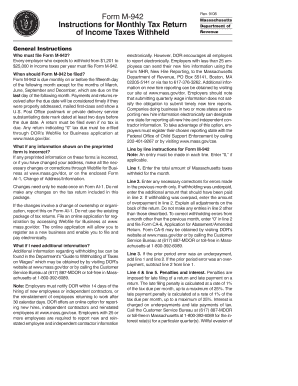
The term "address business" refers to any formal procedure or document that involves the modification or registration of a business address. This could include notifying relevant authorities, financial institutions, or service providers about changes in the business location or updating records to maintain compliance and ensure accurate communication. An address business process might be necessary for a variety of administrative, legal, or operational purposes, ensuring that the business remains accessible and meets statutory obligations.
Practical Examples
- Registration with the Secretary of State: For businesses that need to update their official location with the Secretary of State to receive state-level legal documents.
- Financial Institutions: Banks and credit card companies often require businesses to maintain current address information for account management purposes.
- Vendor and Client Notifications: Companies must notify their clients and suppliers of any address changes to prevent disruptions in service or supply chains.
Steps to Complete the Address Business
-
Gather Required Information:
- Ensure you have the current business address and the new address details.
- Collect all relevant business identification numbers (e.g., EIN, business license number).
-
Notify Relevant Authorities:
- Contact the IRS to update your address, often using Form 8822-B, ensuring tax documents are delivered to the correct location.
- Update your address with the Secretary of State to maintain your business’s legal standing.
-
Update Business Registrations and Licenses:
- Ensure all business permits and licenses reflect the new address to avoid potential legal issues.
-
Communicate with Stakeholders:
- Inform clients, suppliers, and financial institutions of the change to maintain effective business operations and relationships.
-
Adjust Digital Platforms:
- Update your business website and social media platforms to reflect the new location.
- Modify any address used in online directories and service platforms.
Why You Should Address Business Needs
Addressing business changes is critical for maintaining operational continuity, legal compliance, and professional credibility. A wrong address can lead to miscommunication, missed legal notices, and potential financial setbacks.
- Legal Compliance: Avoid penalties or legal issues by ensuring all documents and registrations reflect the current business address.
- Professionalism: Keeping stakeholders informed of your correct address promotes trust and maintains relationships.
- Operational Efficiency: Ensures all deliveries, correspondence, and legal notices are directed correctly.
Key Elements of the Address Business
Documentation Needs
- Business Identification Numbers: Essential for updating records accurately.
- Legal Documents: Proof of address change, such as a lease or utility bill, may be required by some authorities.
Address Verification
- Confirmation Process: Some institutions might require verification, which involves submitting proof of the new address.
Updates and Notifications
- Internal Communication: Notify all employees about the address change to update their records.
- External Communication: Send formal notices to clients and suppliers.
State-Specific Rules for Address Business
Varying Requirements
- Local Regulations: Different states might have unique requirements for updating business addresses, such as specific notification periods or paperwork.
- Example: Some states might require notification within 30 days of the address change, while others might have a more extended timeframe.
Practical Application
- Consult Local Authorities: Always consult with your local government offices to understand specific requirements.
Legal Use of Address Business Forms
Address business forms are used to ensure compliance with federal and state laws regarding business operation changes. They help guarantee that the business address is recognized by legal entities, therefore affirming the company's operational legitimacy.
- Importance: Legal documents and notifications must be sent to the correct address; failure to update could lead to missed deadlines or legal actions.
- Risk Mitigation: Properly managing address change notifications helps prevent business disruptions and legal disputes.
Examples of Using the Address Business
Real-World Scenarios
- Relocation: A firm relocating its headquarters from one state to another would need to fulfill both states’ address business requirements.
- Branch Expansion: A business opening a new branch might have to update its address across multiple platforms to accurately reflect the new setup.
- Post-Merger: Companies merging or undergoing acquisitions often need to perform comprehensive address business updates to align new business structures.
Digital vs. Paper Version
Businesses have the option of updating their address details through digital submissions or traditional paper forms, depending on accessibility and preference.
Digital Submissions
- Speed and Efficiency: Often faster and allows for real-time updates.
- Examples: Online portals provided by government services or third-party vendors.
Paper Submissions
- Tangible Documentation: Some businesses may prefer paper for its feel and practicality in regions with limited internet access.
- Example: Physical submission of forms to the Secretary of State.
Software Compatibility and Integration
Popular Platforms
- QuickBooks and TurboTax: Software that supports address updates within their business profile sections to keep financial records current.
Benefits
- Streamlined Processes: Enables quick updates across financial and operational systems without manual entry errors.
- Unified Data Management: Ensures all aspects of the business's digital footprint are consistent, reducing discrepancies in documentation and communication.
Providing a thorough approach to managing address changes ensures that businesses can mitigate risks, maintain compliance, and operate smoothly within legal and operational frameworks.