
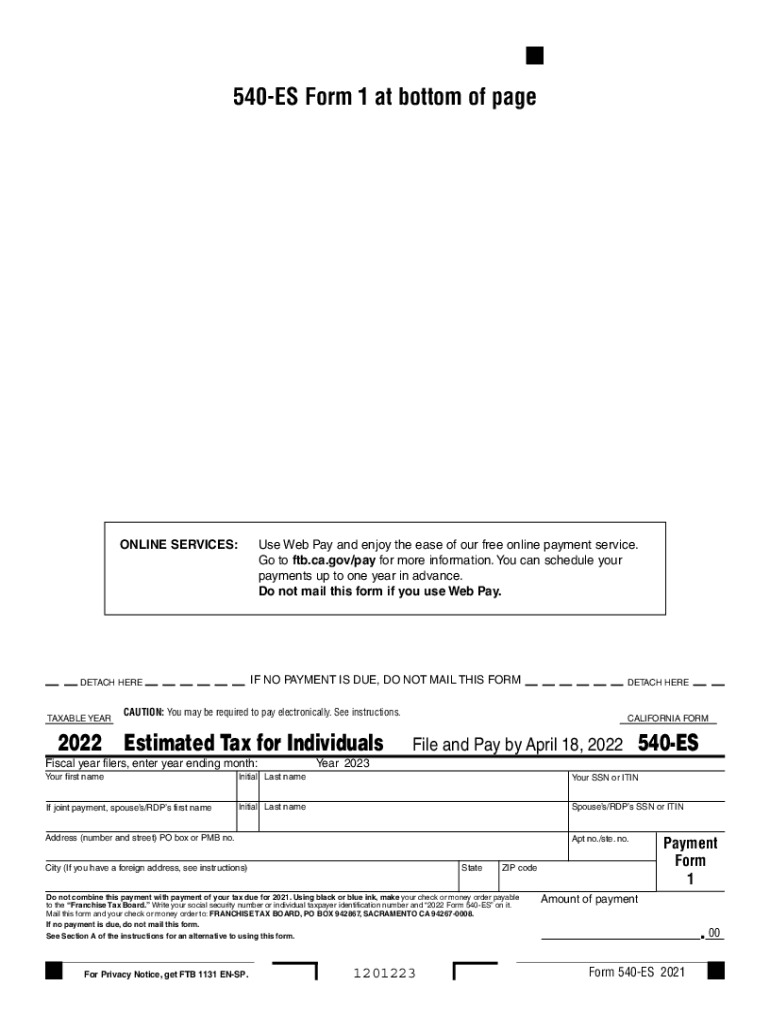







Defining the California Form 540
The Form 540 is used for filing individual income taxes in the state of California. This form is essential for residents who need to assess their state tax obligations accurately. It calculates the amount of tax owed based on one’s income, deductions, and credits. As California follows its tax exemptions and policies distinctively, Form 540 ensures compliance with state-specific regulations. Understanding its purpose and components is crucial for all California residents who earn income within the state and are required to file state taxes.
How to Use the Form 540
The California Form 540 involves several sections that need accurate information. To fill out this form:
- Provide personal information: Include your full name, Social Security Number (SSN), and filing status.
- Report income: Enter your total income from all sources, including wages, business income, rents, and any other taxable earnings.
- Claim deductions and credits: Identify and detail itemized deductions or standard deductions that reduce taxable income.
- Calculate tax: Use the form's computation section to calculate the tax owed.
- Sign and date: Ensure that you have signed and dated the document before submission, as unsigned forms are not considered valid.
Each section of the Form 540 plays a critical role in accurately determining your overall tax liability for the year.
Obtaining California Form 540
California residents can procure Form 540 through multiple channels:
- Online Download: Visit the California Franchise Tax Board (FTB) website to download the form. This method provides instant access and is environmentally friendly.
- Mail Request: Request a physical copy through mail from the FTB. This option is best for those who prefer paper forms.
- In-Person: Pick up a copy at local FTB offices or select libraries and post offices.
Having multiple methods to obtain the form ensures accessibility for all taxpayers, regardless of their preference for digital or physical documents.
Steps to Complete the Form 540
Filling out the Form 540 requires careful attention to detail. Follow these steps to ensure a thorough completion:
- Gather all necessary documents: Before starting, collect all relevant financial documents like W-2s, 1099s, and any documents pertaining to income or deductions.
- Access the form: Use the FTB website to download and print the form, or fill it out directly online.
- Fill personal and income information: Accurately complete all required fields with your personal details and income information.
- List deductions and adjustments: Precisely calculate itemized deductions to reduce taxable income. Be mindful of the limits and requirements for each deduction category.
- Double-check calculations: Verify all entries, especially in the calculations section, to ensure accuracy and avoid penalties.
- Sign and submit: Make sure to physically or electronically sign the form before submission, completing the legal requirement.
By following these steps, taxpayers can avoid common errors associated with tax forms and safely submit their documents.
Importance of Filing Form 540
Accurate completion and submission of the Form 540 are vital for several reasons:
- Tax Compliance: Filing this form ensures that taxpayers meet California's legal requirements for income reporting.
- Avoid Penalties: Failing to file or filing incorrectly can result in fines or penalties from the Franchise Tax Board.
- Financial Planning: Understanding your state tax liability helps in better financial management and planning.
- Eligibility for Refunds: Filing correctly and on time may lead to receiving refunds or credits, if applicable.
The significance of the Form 540 extends beyond mere tax compliance, impacting financial health and planning.
Typical Users of Form 540
Form 540 is predominantly used by:
- California residents: Those who reside in California for the full tax year and earn an income.
- Part-year residents and nonresidents: Individuals who have partial residency or earn a significant income from California sources must also address specific portions of the form, like Form 540NR.
- Business owners: Sole proprietors and business partners who report income on personal tax filings.
These groups regularly utilize the Form 540 to report their state income and fulfill tax obligations.
Legal Use and IRS Guidelines
Although Form 540 is specific to California, IRS guidelines impact several aspects of its completion:
- Alignment with Federal Returns: Ensures that state filings align with information provided on federal tax returns, reducing discrepancies.
- Legal and Compliance Obligations: Adhering to federal and state laws is crucial to avoid potential legal issues.
- Cross-referencing Deductions and Credits: Ensures that deductions claimed on the California return are consistent with federal filings.
While the IRS does not issue Form 540, its guidelines significantly affect how taxpayers complete their state tax filings.
Filing Deadlines and Important Dates
Being aware of the key dates associated with the Form 540 is crucial to avoid late fees:
- April 15: The traditional deadline for filing is closely aligned with the federal tax deadline.
- Extended deadline: If an extension is filed, the deadline can be extended to October 15, providing additional time for completion and submission.
- Quarterly estimated payments: For those with obligations throughout the year, estimated payments typically fall on April 15, June 15, September 15, and January 15 of the following year.
Staying informed of these deadlines helps avoid late fees and ensures compliant filing.
Required Documents for Completing Form 540
Accurate completion of the Form 540 requires several documents:
- Income forms: W-2s, 1099s, and other documentation related to income and earnings.
- Deduction evidence: Receipts, statements, and other proofs of deductions, such as mortgage interest or charitable donations.
- Credit documentation: Proof of eligibility for any state-specific credits claimed on the form.
Having these documents ready when filling out Form 540 ensures accuracy and completeness, reducing the chance of errors and subsequent audits.




