





Definition and Meaning of the MN Sole Form
The "MN Sole" form, officially known as Form REV184i, is a Power of Attorney (POA) document intended for individuals or sole proprietors. It grants permission to an appointed representative, such as an attorney or accountant, to access and handle tax matters with the Minnesota Department of Revenue. The form establishes the authority an appointee holds, specifying whether it is full or limited, and outlines the scope of their responsibilities. Understanding the specifics of this form is crucial for those needing to delegate tax representation effectively.
Steps to Complete the MN Sole Form
Completing the MN Sole form involves several key steps that ensure proper delegation of authority. Careful attention to detail is necessary to validate the form:
-
Provide Taxpayer Information: Include your legal name, address, and taxpayer identification number (TIN) for clear identification.
-
Appointee Details: Clearly type or print the full name and contact information of the person being granted access, ensuring accuracy to prevent processing errors.
-
Specify Scope of Authority: Indicate whether the appointee will have full or limited authority over your tax matters. If limited, specify the exact sections the authority covers.
-
Additional Powers: Check any additional powers granted to the appointee, if applicable, such as the ability to sign tax returns or access confidential information.
-
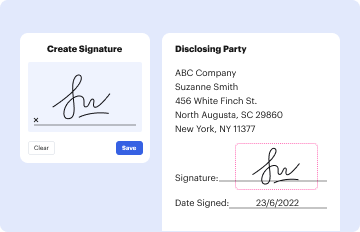
Signature and Date: The taxpayer must sign and date the form to make it legally binding. Without a signature, the form is considered invalid.
-
Appointee Acknowledgement: The appointee may need to acknowledge their responsibilities by signing the document, depending on the situation.
How to Use the MN Sole Form
The MN Sole form is a critical tool for simplifying tax administration and ensuring a trusted individual can manage tax-related tasks on your behalf. It is typically used in scenarios such as:
- Preparing and filing tax returns
- Responding to audits or deficiency notices
- Representing taxpayers during hearings or meetings with the Minnesota Department of Revenue
Having a designated representative reduces the complexity involved in managing taxes, especially for busy professionals or those unfamiliar with the nuances of tax law.
Obtaining the MN Sole Form
Accessing the MN Sole form can be done effortlessly through multiple avenues:
-
Online Download: Visit the Minnesota Department of Revenue's website to download a PDF version. Ensure you have the latest version by checking for updates.
-
Physical Copies: Request a paper version by mail from the department or collect it from local revenue offices if available.
-
Tax Professional: If working with a tax advisor or attorney, they can provide the form and assist in its completion.
Important Terms Related to the MN Sole Form
Understanding key terms within the MN Sole form provides clarity during the completion process:
- Principal: The individual or sole proprietor assigning authority to the appointee.
- Appointee: The individual receiving authorization to act on the principal's behalf.
- Limited Authority: Permission restricted to specific actions, such as representing during audits only.
- Full Authority: Comprehensive permission covering all aspects of interaction with the Minnesota Department of Revenue.
Legal Use of the MN Sole Form
Legal compliance with the MN Sole form requires adherence to Minnesota-specific statutes and regulations. The form allows for:
- Binding Agreements: Any actions taken by the appointee within their granted authority are legally binding on the principal.
- Revocation Rights: The principal may revoke the POA at any time through written notice to both the appointee and the Minnesota Department of Revenue.
Compliance ensures the integrity of taxpayer representation and the appointee's authority during tax matters.
Key Elements of the MN Sole Form
Several critical components make up the comprehensive structure of the MN Sole form:
- Taxpayer and Appointee Information: Both parties must fill out personal and contact information accurately.
- Scope of Authority: Clearly defined actions the appointee can undertake, outlined within the document.
- Signatures: Required from the principal (and occasionally the appointee) to certify the document.
- Additional Powers: Optional sections allowing additional responsibilities or actions permissible under the POA.
These elements ensure the form is legally enforceable and accurately represents the principal's intentions.
State-Specific Rules for the MN Sole Form
Form REV184i is tailored to Minnesota law, with unique requirements compared to general POA documents. Important considerations include:
- Minnesota Jurisdiction: The form is specific to tax dealings under Minnesota state law and is not transferrable to federal or other state tax matters.
- State Department Regulations: It must comply with directives from the Minnesota Department of Revenue regarding form submission and usage.
- Renewal and Validity: The form may require renewal or periodic reconfirmation in line with Minnesota's regulations.
Understanding these state-specific guidelines ensures the form's validity and legal adherence during its use.
Examples of Using the MN Sole Form
Real-world applications of the MN Sole include:
- Busy Professionals: Individuals with limited time prefer delegating tax responsibilities to a knowledgeable representative.
- Senior Citizens: Elderly taxpayers often appoint children or trusted advisors for managing tax affairs due to complex tax regulations.
- Entrepreneurs: Sole proprietors starting new ventures frequently use the form for seamless tax coordination with accountants.
These scenarios illustrate the form's versatility and importance in managing tax responsibilities efficiently.
Filing Deadlines and Important Dates
Respecting deadlines ensures the MN Sole form is entered into the system in a timely manner:
- Annual Renewal: Check if annual updates or confirmations are necessary to maintain the form's validity.
- Tax Season Processing: Complete the form ahead of filing deadlines to ensure your representative can manage the process without delay.
- Department of Revenue Notices: Respond promptly to any communication from the Minnesota Department of Revenue concerning the form or related submissions.
Meeting these deadlines prevents processing delays or complications in your tax affairs.