



01. Edit your form online
Type text, add images, blackout confidential details, add comments, highlights and more.

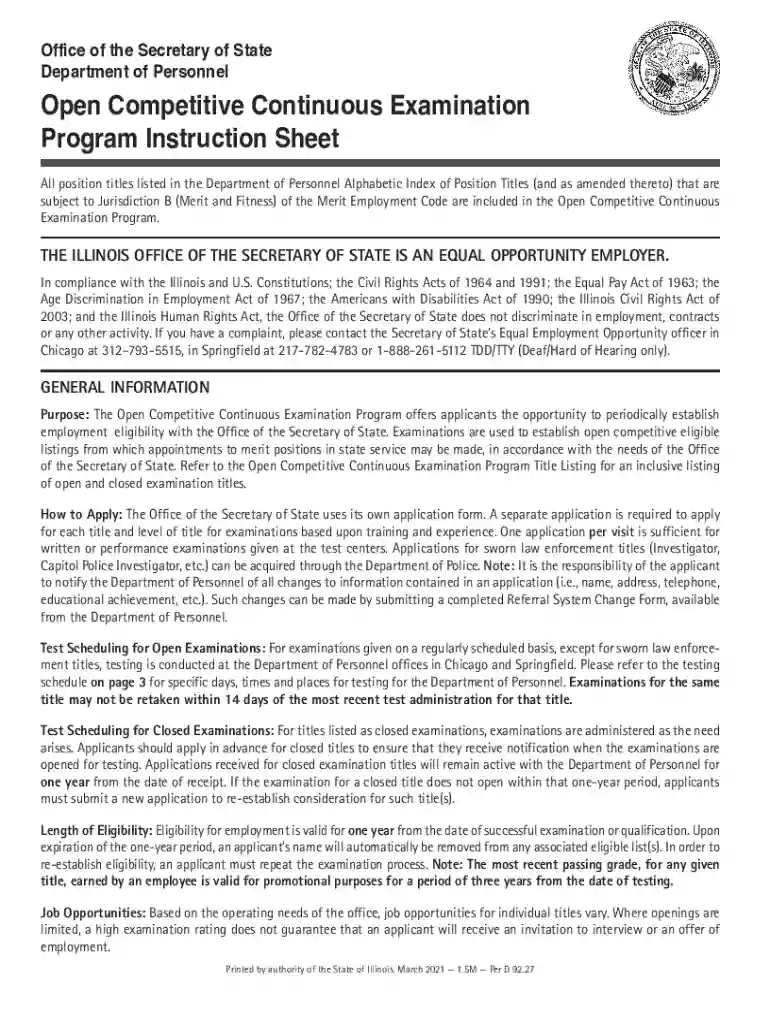
Type text, add images, blackout confidential details, add comments, highlights and more.
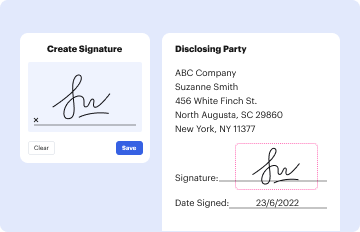
Draw your signature, type it, upload its image, or use your mobile device as a signature pad.

Send it via email, link, or fax. You can also download it, export it or print it out.
The "Illinois Continuous Form" refers to a specific type of document that is used primarily within the state of Illinois for certain administrative or operational purposes. These forms are designed in a continuous format, which typically means they are fan-folded, allowing for efficient processing and printing. Continuous forms are often utilized in settings where multiple copies or long runs of documentation are needed, such as payroll processing or data collection. With perforated edges, these forms can easily be separated for distribution or filing. Their design facilitates automation in recording transactions and managing information.
Using the Illinois Continuous Form involves a few straightforward steps to ensure accuracy and compliance. First, ensure that the form you have is the correct version for your specific needs by checking the form number and revision date. Place the form in a printer that supports continuous forms — typically dot matrix or line printers. Make sure the alignment is correct to avoid misprinting, which can result in wasted resources and errors. After printing, verify the information for completeness and accuracy before separating the sheets along the perforated lines. Preserve a copy for your records and distribute or submit the remaining parts as required.
To obtain the Illinois Continuous Form, you can visit specific state government offices that distribute such forms. Alternatively, these forms might be available online through official state websites where they can be downloaded or ordered for physical delivery. Law firms or financial institutions sometimes provide these forms as part of their services. Always ensure that you are downloading or obtaining the latest version of the form to comply with the current state regulations and requirements.
Completing the Illinois Continuous Form typically involves the following steps:
Read the Instructions: Begin by carefully reading the instructions that accompany the form to ensure understanding of the requirements.
Fill in Personal/Business Details: Enter the necessary personal or business information as specified, such as name, address, and identification numbers.
Provide Detailed Responses: Answer all relevant sections thoroughly and double-check for any omitted areas that may result in incomplete submission.
Check for Required Signatures: Make sure all required signatures are included. Missing signatures can lead to delays in processing.
Review for Accuracy: Verify that all information is correct and legible. Errors can complicate processing and may necessitate resubmission.
Submit the Form: Follow the submission guidelines provided, which may include mailing the form or delivering it in person.
The Illinois Continuous Form is primarily used by professionals and organizations that require standardized documentation for routine operations. This includes businesses in sectors such as finance and accounting, payroll processing, inventory management, and logistics. Additionally, governmental agencies may use these forms for record-keeping and internal data management. Professionals such as accountants, HR specialists, and legal advisors may encounter these forms in their work.


Key elements of the Illinois Continuous Form include:
State-specific rules can impose unique requirements for completing and submitting the Illinois Continuous Form. In Illinois, certain administrative documents must be completed using official forms to ensure legality and compliance with state regulations. Guidelines could specify the use of particular ink colors or the requirement to submit multiple copies of the form. It's critical to familiarize yourself with these specifications to avoid non-compliance, which could result in penalties or invalidation of the submitted forms.
Understanding important terms associated with the Illinois Continuous Form can aid in the proper use of this document:
Failure to comply with the guidelines associated with filing the Illinois Continuous Form can result in several penalties. These may involve fines for late submission or incorrect filing. In the case of regulatory forms tied to taxes or legal documentation, non-compliance can lead to audits or legal investigations. It is essential to understand the stakes involved and take the necessary measures to complete and submit the form correctly and on time.
With advancements in digital technologies, the Illinois Continuous Form may be available in both digital and paper formats. The digital version offers conveniences such as easy editing, storage, and electronic submission. However, not all transactions or organizations may accept digital forms, occasionally requiring paper submissions for legal reasons. Paper versions are beneficial for hands-on processes and situations where digital access is impractical or restricted.
Finding compatible software to print the Illinois Continuous Form may be necessary if you are dealing with digital formats or require specific formatting. Software like QuickBooks or TurboTax may support the form through add-ons or specialized form printing features. Ensuring software compatibility helps maintain the integrity and accuracy of the form's content, preventing data loss or misalignment during the printing process.
We've got more versions of the illinois continuous form form. Select the right illinois continuous form version from the list and start editing it straight away!
At DocHub, your data security is our priority. We follow HIPAA, SOC2, GDPR, and other standards, so you can work on your documents with confidence.
39527 - CONTINUOUS FORM LABELS, PRESSURE SENSITIVE, STOCK. No posts were found. University of Illinois Purchasing and. Contract Management Office.
The Approved Statewide Standardized Forms have been approved for use by the Supreme Court and required to be accepted in all Illinois courts.


