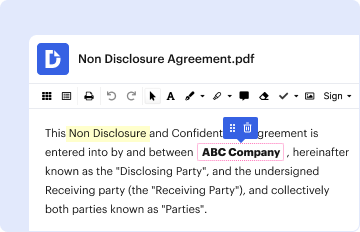
Type text, add images, blackout confidential details, add comments, highlights and more.
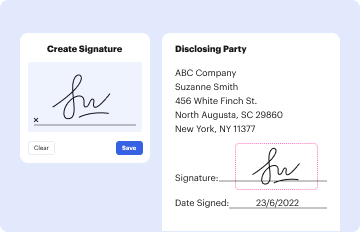
02. Sign it in a few clicks
Draw your signature, type it, upload its image, or use your mobile device as a signature pad.
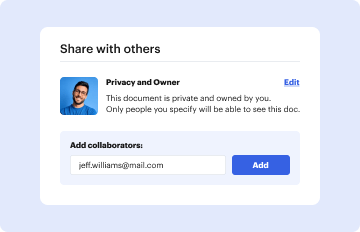
03. Share your form with others
Send it via email, link, or fax. You can also download it, export it or print it out.
How to use or fill out To Self-Insurers Providing Benefits with our platform
Ease of Setup
DocHub User Ratings on G2
Ease of Use
DocHub User Ratings on G2
Click ‘Get Form’ to open the To Self-Insurers Providing Benefits document in the editor.
Begin by filling out the required information regarding claims, benefits, employee contributions, and covered payrolls as specified in Item 1(a). Ensure that you report this data accurately on form DB-681 before the January 31 deadline.
In Item 2e, report only the first $7,000 of earnings for each employee paid during the calendar year. This is crucial for compliance with self-insurance regulations.
Complete the list of office and plant locations in New York State as outlined in Item 2d. Include addresses and number of employees at each location, marking those where disability benefits claims are maintained.
If applicable, prepare a report of excess employee contributions using form DB-681.1. Remember that this step does not apply to certain associations or union welfare funds.
Start using our platform today to streamline your document completion process for free!
Fill out To Self-Insurers Providing Benefits online It's free
See more To Self-Insurers Providing Benefits versions
We've got more versions of the To Self-Insurers Providing Benefits form. Select the right To Self-Insurers Providing Benefits version from the list and start editing it straight away!
Cookie consent notice
This site uses cookies to enhance site navigation and personalize your experience.
By using this site you agree to our use of cookies as described in our Privacy Notice.
You can modify your selections by visiting our Cookie and Advertising Notice.