



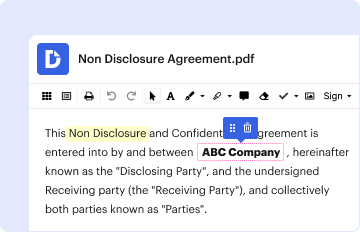
01. Edit your form online
Type text, add images, blackout confidential details, add comments, highlights and more.

Type text, add images, blackout confidential details, add comments, highlights and more.
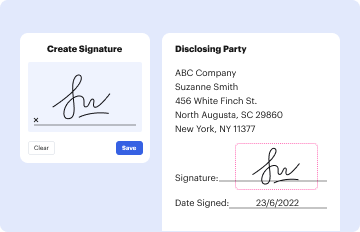
Draw your signature, type it, upload its image, or use your mobile device as a signature pad.
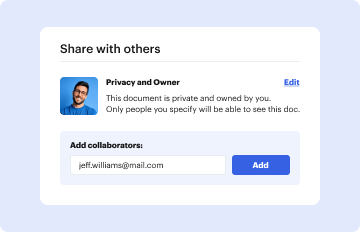
Send it via email, link, or fax. You can also download it, export it or print it out.
The AHEAD Program Project is an initiative designed to streamline various projects aimed at economic development, job creation, and community assistance. It stands for "Advancing Higher Education and Development," focusing on leveraging grant funds to achieve targeted outcomes. The goal is to provide financial support for projects that demonstrate potential for significant local impact. Understanding this framework is essential for aligning project proposals with the program’s objectives and maximizing the chances of approval and funding.
Project Information: Each proposal must include comprehensive details about the project's scope, objectives, and expected outcomes. This informs the reviewers about the project's alignment with AHEAD's goals.
Current Status: Regular updates regarding the project's progress are necessary to determine if milestones are being met and if recalibration is required.
Funding Sources: A detailed account of where the financial backings are coming from, specifying both the grant from AHEAD and any additional funds, is critical to ensure transparency and accountability.
Project Impact: Projects are expected to have a tangible positive impact. Information on job creation, community benefits, and economic development weighs heavily in evaluating the proposal's value.
Evidence of Grant Fund Usage: Documentation and reporting of how the funds are being used are mandatory to ensure they are being allocated efficiently and as intended.
Participation in the AHEAD Program Project entails following a structured approach to project management and reporting. Beneficiaries must submit detailed project strategies and maintain open lines of communication with program administrators for feedback and guidance. This includes:
Preparation and Planning: Initial proposal development should clearly articulate the project's goals, methods, and expected results.
Implementation: Execution must align with outlined plans, adapting as necessary to address unforeseen challenges without deviating from primary objectives.
Monitoring and Reporting: Consistent tracking of progress and outcomes is crucial to demonstrate adherence to the agreed terms and efficient use of resources.
Completion and Evaluation: Upon project completion, a comprehensive review is conducted to assess outcomes against initial expectations, providing insights into success factors and areas for improvement.
Completing a project under the AHEAD Program involves several strategic steps:
Drafting the Proposal: Create a detailed project plan that clearly defines objectives, projected outcomes, and resource requirements.
Submission: Present the proposal along with required documents through the specified submission channels.
Review and Approval: Engage with program administrators during the review phase, addressing any queries or concerns they may have.
Implementation: Execute the project in alignment with approved plans, maintaining quality and efficiency.
Documentation and Reporting: Maintain accurate records of all activities and financial transactions, reporting progress at regular intervals.
Final Review and Feedback: Upon project conclusion, participate in a comprehensive evaluation by the program, proposing recommendations for future projects.
Understanding the terminology associated with the AHEAD Program is crucial for effective participation:
Grant Account: The account from which the project funds are drawn and managed.
Milestones: Pre-defined stages in the project timeline that signal critical points of development and success.
Compliance: Adherence to program rules, criteria, and legal requirements.
Impact Assessment: The analysis conducted to measure the actual outcomes of the project versus expected targets.
Stakeholders: Individuals or groups directly impacted by the project, including beneficiaries, sponsors, and the community.
Eligibility for the AHEAD Program varies based on project type and scope. Common criteria include:
Sector Alignment: Projects should align with the economic development, education, or community assistance sectors.
Demonstrable Need: Justification of the need for grant assistance and the anticipated benefits.
Financial Viability: A sound financial plan demonstrating that the project can achieve sustainability beyond initial funding.
Capability to Deliver: The proposing organization should demonstrate expertise and resources necessary to successfully complete the project.


Legal considerations are integral to the administration and participation in the AHEAD Program Project. Participants must adhere to American federal and state laws concerning grant usage and reporting. This includes:
Adherence to federal regulations concerning grant management and reporting.
Implementing comprehensive conflict of interest policies.
Ensuring transparency and accuracy in financial reporting.
Real-world scenarios illustrating the application of the AHEAD Program include:
Local Business Development: A small town received funding to boost local entrepreneurship through training programs and micro-financing for startups, leading to new job creation.
Educational Outreach: A university utilized funds to expand its outreach initiatives, providing underserved populations with access to higher education resources.
Infrastructure Improvement: Funds facilitated improvements in public infrastructure, bolstering community resilience and economic growth.
Engaging with the application process for the AHEAD Program requires diligence and attention to detail:
Initial Inquiry and Interest Registration: Register interest through official channels and receive initial guidance.
Documentation Compilation: Gather all required documents, including project plans, budgets, and impact assessments.
Submission of Application: Submit a comprehensive proposal adhering to program guidelines.
Awaiting Review Outcome: The review process may take several weeks. During this time, be prepared to respond to queries from the reviewers.
Approval and Commencement: Upon approval, the project moves into the execution phase, adhering to agreed timelines and reporting schedules.
We've got more versions of the ahead program project form. Select the right ahead program project version from the list and start editing it straight away!
At DocHub, your data security is our priority. We follow HIPAA, SOC2, GDPR, and other standards, so you can work on your documents with confidence.
We focused on the global plastics crisis and the shortcomings of petroleum-based and biodegradable plastics. Literature review identified PHBV asRead more
The Advanced HEAlth Data (AHEAD) Institute at Saint Louis University School of Medicine conducts data-driven research to improve the health of individuals andRead more


