Maximum Baseline Loan Amount for 2025 UnitsContiguous States, District of Columbia, and Puerto RicoAlaska, Guam, Hawaii, and the U.S. Islands 1 $806,500 $1,209,750 2 $1,032,650 $1,548,975 3 $1,248,150 $1,872,225 4 $1,551,250 $2,326,875
What is the Fannie Mae 5 program?
Understanding Fannie Maes Program Previously, buyers seeking to invest in 2-, 3-, or 4-unit homes faced substantial down payment obligations, often ranging from 15% to 25%. However, the latest program allows for a docHubly reduced down payment of just 5% for owner-occupied transactions.
Can I buy a 4 plex with 5% down?
The Game-Changing Program Fannie Maes new program, a docHub policy shift, allows buyers to purchase duplexes, triplexes, or fourplexes with just a 5% down payment, a substantial decrease from the previous requirement of 15-25%.
What is the 5% rule for Fannie Mae?
Lower Down Payment Requirements for Multi-Family Homes Effective November 18, 2023, Fannie Mae Conventional Loans will allow borrowers to put only 5% down when purchasing a 2-4 unit owner-occupied home. The policy change applies to owner-occupied transactions for the following: Standard purchases. No-cash-out
When did Fannie Mae allow a 5% conventional loan?
Effective November 18, 2023, Fannie Mae Conventional Loans will allow borrowers to put only 5% down when purchasing a 2-4 unit owner-occupied home. The policy change applies to owner-occupied transactions for the following: Standard purchases.
Related Searches
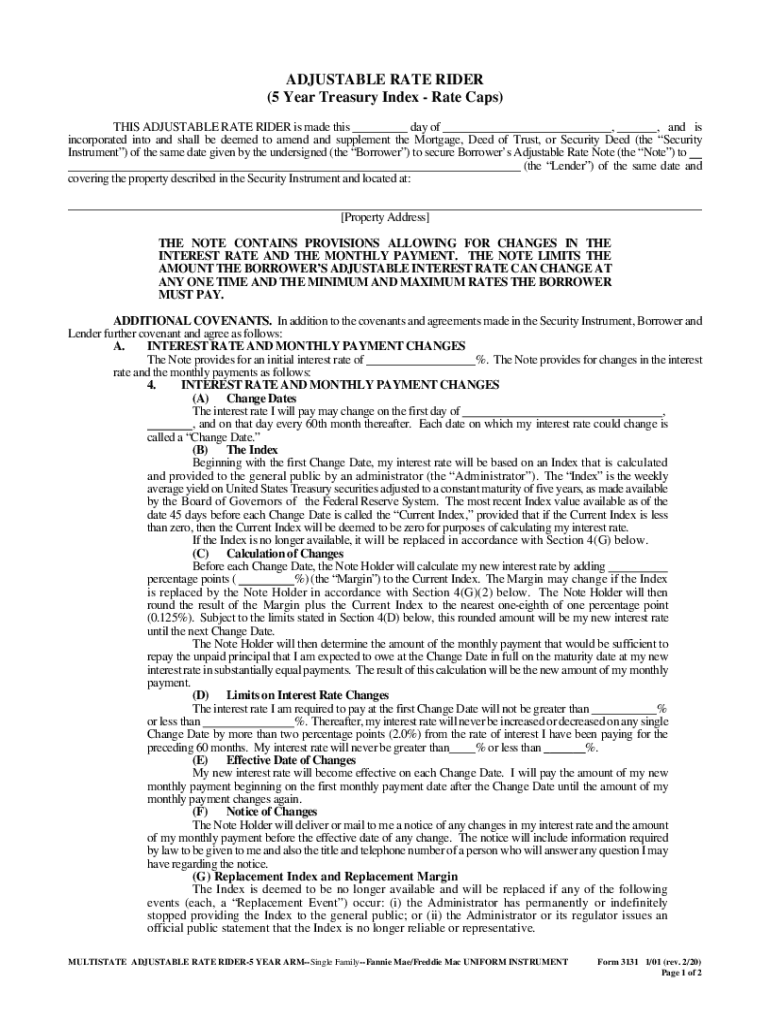
Fannie mae 3131 pdfFannie Mae unique property guidelinesFannie Mae Rural Property guidelinesFannie Mae Underwriting guidelines PDFFannie Mae investment property guidelinesFannie Mae Underwriting phone numberFannie Mae HomeReadyFannie Mae 2-4 unit guidelines
Security and compliance
At DocHub, your data security is our priority. We follow HIPAA, SOC2, GDPR, and other standards, so you can work on your documents with confidence.
Check your condos status The Fannie Mae condo blacklist and eligibility tool are not publicly accessible. Homeowners and buyers should contact the condo association or lender to check a propertys status, or consult a real estate professional for updates.
How much does Fannie Mae allow for foster care income?
According to Fannie Maes guidelines, as long as the borrowers foster care income does not exceed 30% of the total gross income used to qualify for the loan, it can be considered.
Is the deductible 5% on Fannie Mae?
In December 2022, FNMA made a clarification that states this 5% maximum applies to all deductibles for all required perils, including any separate per unit deductibles. Per unit water damage deductibles have become common across the industry for community association insurance policies.
Related links
Housing Policy, Subprime Markets and Fannie Mae and
by J Thomas 2010 By 2003, Fannie Mae and Freddie Mac accounted for 52.3% of all residential mortgage loans outstanding (Federal Reserve and Monthly FundingRead more
Cookie consent notice
This site uses cookies to enhance site navigation and personalize your experience.
By using this site you agree to our use of cookies as described in our Privacy Notice.
You can modify your selections by visiting our Cookie and Advertising Notice.