



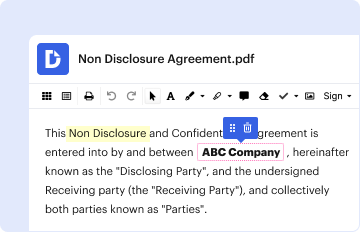
01. Edit your act 24 clearance online
Type text, add images, blackout confidential details, add comments, highlights and more.

Type text, add images, blackout confidential details, add comments, highlights and more.
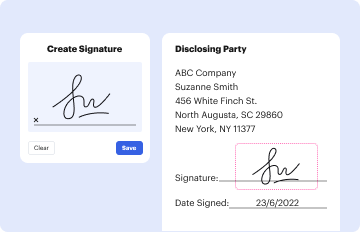
Draw your signature, type it, upload its image, or use your mobile device as a signature pad.

Send act 24 clearance online via email, link, or fax. You can also download it, export it or print it out.
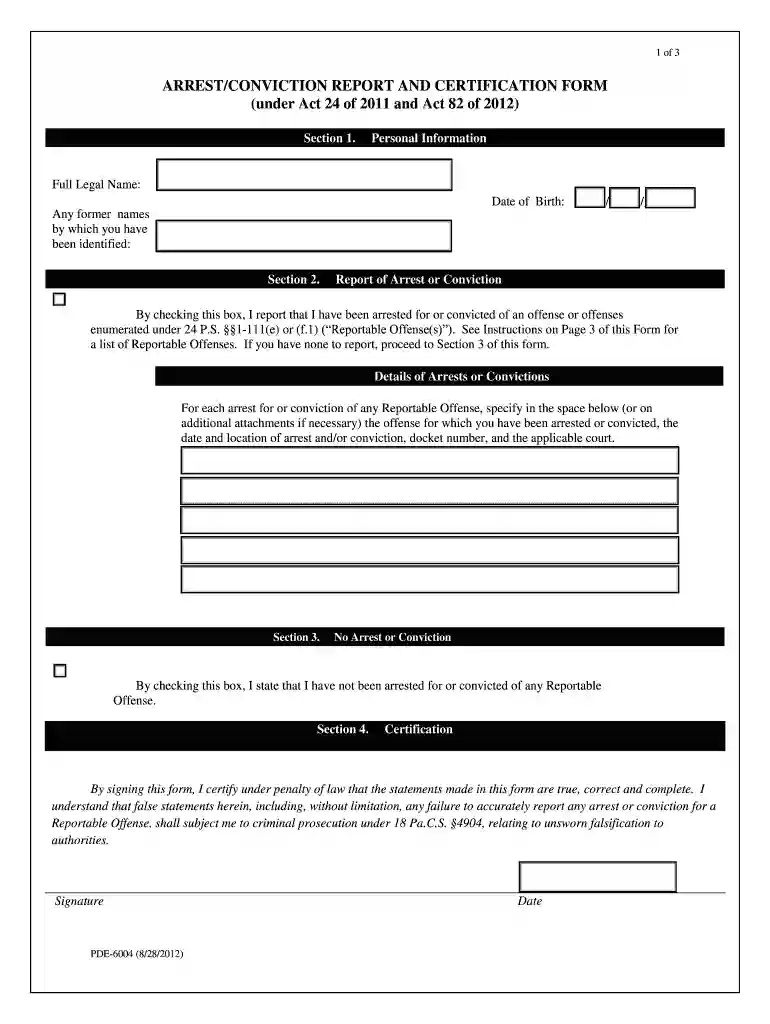
Act 24 Clearance refers to the requirement mandated by Pennsylvania's Act 24 of 2011, which necessitates background checks for individuals working or volunteering in educational institutions. This law applies to educators and other personnel involved in supervising minors, ensuring a safe environment in schools. The background check procedures include an examination of criminal history and any previous arrests or convictions related to specific offenses.
Importance of Act 24 Clearance
The primary purpose of Act 24 Clearance is to protect children by vetting individuals who may have access to them. It establishes guidelines for the reporting of criminal records and is a key measure in safeguarding educational environments. The Act specifically defines which convictions must be disclosed, ensuring transparency about an individual's history when working with young people.
Individuals can obtain Act 24 Clearance online or through physical submissions, depending on their preferences and access. The process generally involves several steps, including filling out the appropriate forms, submitting required documentation, and undergoing background checks.
Online applications typically offer faster processing times.
Completing the Act 24 clearance is a structured process that involves several critical steps to ensure compliance with the law while protecting the welfare of children in educational settings.
Timely submission is crucial to prevent delays in employment or volunteer opportunities.
Act 24 Clearance is not only a requirement for employment but is also legally binding. Understanding the legal implications of this clearance can help individuals ensure compliance and avoid potential penalties.
Educators and other staff must be aware that failure to obtain Act 24 Clearance can lead to disqualification from employment.
Several groups are mandated to complete the Act 24 clearance as a part of their professional duties, particularly in environments involving minors.


This comprehensive approach helps create a safe educational environment for students.
When applying for Act 24 Clearance, several documents must be submitted to verify identity and background accurately.
Ensuring all documents are accurate and complete is vital for a smooth clearance process.
Understanding key terminology can facilitate smoother navigation through the Act 24 Clearance process.
Familiarity with these terms can improve understanding and compliance with the Act's requirements.
We've got more versions of the act 24 clearance form. Select the right act 24 clearance version from the list and start editing it straight away!
At DocHub, your data security is our priority. We follow HIPAA, SOC2, GDPR, and other standards, so you can work on your documents with confidence.


Apr 27, 2011 The Paperwork Reduction Act (PRA) of 1995 gives the Office of Management and. Budget (OMB) authority over the collection of certainRead more
Act 24 also requires that you report any future arrests or convictions of any criminal offense listed in Section 111(e) to the Office of Clinical ExperiencesRead more
Clearance examinations performed following abatement of lead-based paint or lead-based paint hazards shall be performed in accordance with 40 CFR 745.227(e)Read more


