




Here's how it works

01. Edit your form online
Type text, add images, blackout confidential details, add comments, highlights and more.

02. Sign it in a few clicks
Draw your signature, type it, upload its image, or use your mobile device as a signature pad.

03. Share your form with others
Send it via email, link, or fax. You can also download it, export it or print it out.
How to use or fill out IT-641 with our platform

- Click ‘Get Form’ to open the IT-641 in the editor.
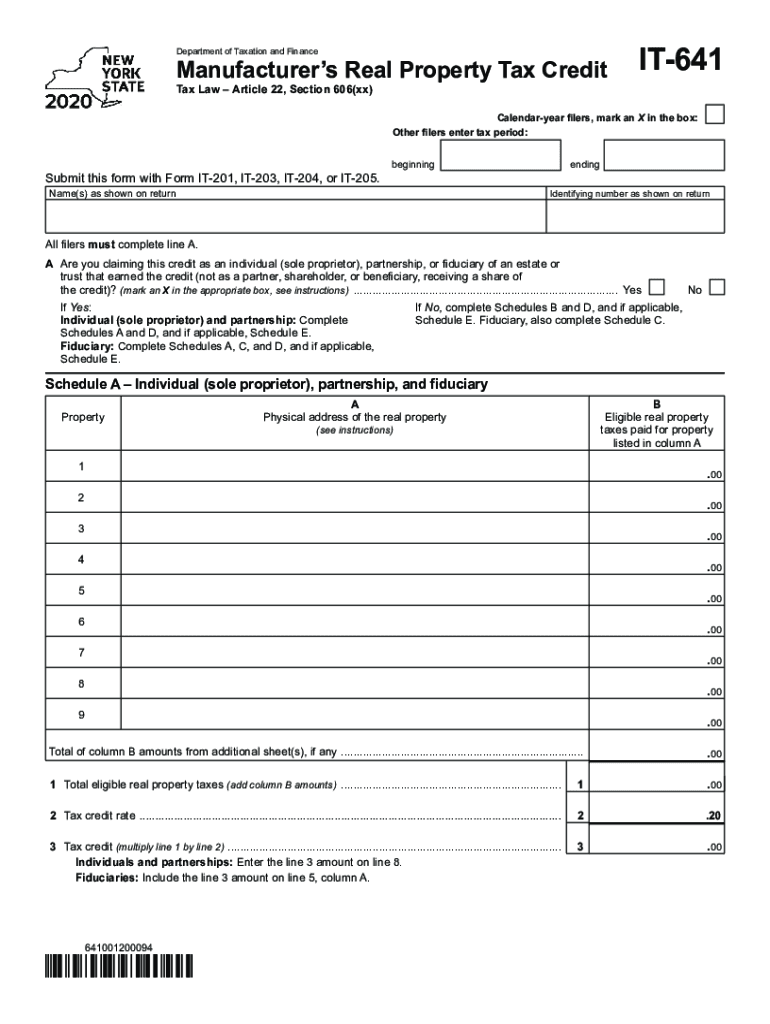
- Begin by marking an X in the box for calendar-year filers or enter your tax period dates. Ensure your name and identifying number are correctly filled as shown on your return.
- Complete line A by indicating if you are claiming the credit as an individual, partnership, or fiduciary. Depending on your selection, follow the instructions to complete the relevant schedules (A, B, C, or D).
- For Schedule A, input the physical address of your real property and eligible taxes paid. Sum these amounts to calculate total eligible real property taxes.
- Proceed to Schedule B if applicable, detailing any shares of credit received from partnerships or S corporations. Fill in all required fields accurately.
- Finally, review all sections for accuracy before submitting your completed form through our platform.
Start using our platform today for free to streamline your IT-641 form completion!
Fill out it 641 online
It's free
It's free
See more it 641 versions
We've got more versions of the it 641 form. Select the right it 641 version from the list and start editing it straight away!
Got questions?
We have answers to the most popular questions from our customers. If you can't find an answer to your question, please contact us.
Contact us
What was the purpose of the ERC?
The Employee Retention Credit (ERC) sometimes called the Employee Retention Tax Credit or ERTC is a refundable tax credit for certain eligible businesses and tax-exempt organizations that had employees and were affected during the COVID-19 pandemic.
What is the IRS Code for research and Development Tax Credit?
26 U.S. Code 41 - Credit for increasing research activities. 20 percent of the amounts paid or incurred by the taxpayer in carrying on any trade or business of the taxpayer during the taxable year (including as contributions) to an energy research consortium for energy research. contract research expenses.
What is the IRS Code 641?
The taxable income of an estate or trust shall be computed in the same manner as in the case of an individual, except as otherwise provided in this part. The tax shall be computed on such taxable income and shall be paid by the fiduciary.
What is the NYS manufacturers property tax credit?
You may be eligible to receive a credit equal to 20% of the real property taxes paid during the tax year on your New York State business property.
Who is eligible for the employee retention tax credit?
A1. To qualify for ERC, you need to have been subject to a qualifying government order related to COVID-19 that caused a full or partial suspension of your trade or business operations. The government order may be at the local, state or federal level.
Security and compliance
At DocHub, your data security is our priority. We follow HIPAA, SOC2, GDPR, and other standards, so you can work on your documents with confidence.
Learn more


Related forms

Dh4086
The document is an application form for a sanitation certificate issued by the Florida Department of Health. It outlines ...
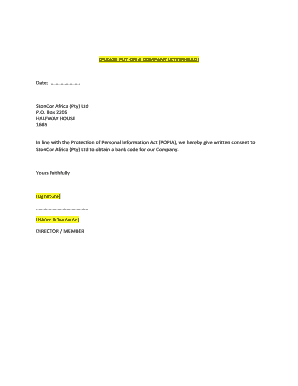
Popi consent form template word
The document is a formal consent letter from a director or member of a company, granting StonCor Africa (Pty) Ltd permis ...
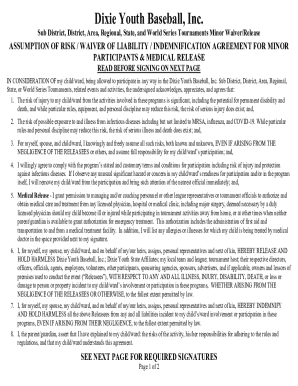
City of downey special olympics program manual
The document is a waiver and release form for parents or guardians of minor participants in Dixie Youth Baseball tournam ...

Statement Of Sole Responsibility - Marriage Act - Forms - Central
The document is a Statement of Sole Responsibility related to the application for a marriage license under the Marriage ...

CIRO Operational Policies and Procedures - US Army Medical
The document outlines the operational policies and procedures of the Clinical Investigation Regulatory Office (CIRO) wit ...
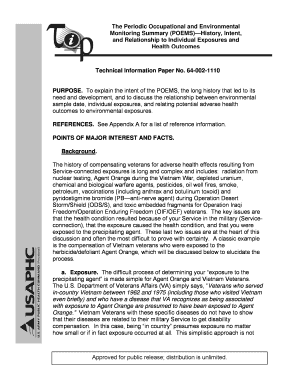
The Periodic Occupational and Environmental Monitoring Summary
The Periodic Occupational and Environmental Monitoring Summary (POEMS) document outlines the history, purpose, and signi ...
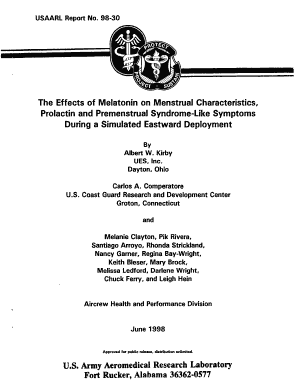
The Effects of Melatonin on Menstrual Characteristics, Prolactin and
The USAARL Report No. 98-30 investigates the effects of melatonin on menstrual characteristics, prolactin levels, and pr ...

45TH GRADUATE COURSE
The document outlines the principles and practices surrounding settlement agreements in federal labor relations, emphasi ...
People also ask
What is the 80% ERC rule?
According to the IRS website, the program runs through March 22 and requires qualifying businesses to repay 80 percent of their ERC claim. Program participants will not be charged underpayment interest, and the IRS will not assert civil penalties against them for underpayment of employment tax attributable to the ERC.
Who is eligible for employee retention credit?
You may qualify for ERC if your business or organization experienced a docHub decline in gross receipts during 2020 or a decline in gross receipts during the first three quarters of 2021.
Who is eligible for a retention bonus?
Any employee is eligible for a retention bonus. Most often, companies only give retention bonuses to highly skilled employees that may be difficult to replace. Similarly, employees with specific company or project knowledge are more likely to receive a retention bonus.