




Here's how it works
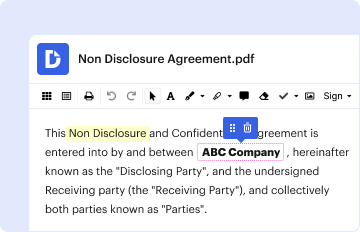
01. Edit your martial arts waiver form online
Type text, add images, blackout confidential details, add comments, highlights and more.
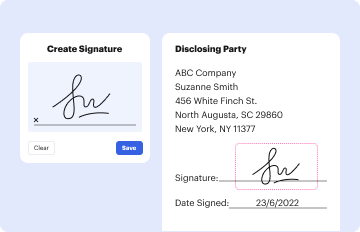
02. Sign it in a few clicks
Draw your signature, type it, upload its image, or use your mobile device as a signature pad.
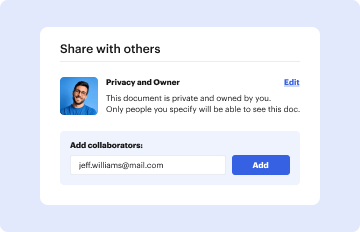
03. Share your form with others
Send martial arts waiver template via email, link, or fax. You can also download it, export it or print it out.
How to use or fill out martial arts waiver template with our platform

- Click ‘Get Form’ to open the martial arts waiver template in the editor.
- Begin by filling in your name and the date at the top of the form. This identifies you as the participant.
- Read through each section carefully. Initial next to each statement to acknowledge your understanding of the risks involved in martial arts activities.
- In the designated fields, provide your signature and print your name as an adult participant. If applicable, include details for any minor child participating.
- If there are additional parents or guardians, ensure their names and signatures are included as well. Use the space provided for this purpose.
- Review all entries for accuracy before finalizing. Once satisfied, save your completed waiver for your records.
Start using our platform today to easily complete your martial arts waiver form online for free!
Fill out martial arts waiver template online
It's free
It's free
See more martial arts waiver template versions
We've got more versions of the martial arts waiver template form. Select the right martial arts waiver template version from the list and start editing it straight away!
| Versions | Form popularity | Fillable & printable |
|---|---|---|
| 2012 | 4.8 Satisfied (125 Votes) |
Got questions?
We have answers to the most popular questions from our customers. If you can't find an answer to your question, please contact us.
Contact us
Can I create my own waiver form?
The process of creating a waiver should be taken seriously. Waivers are legal documents that list specific terms for your participants to agree to, so its crucial that they are complete and legally sound. Professional help from a lawyer is strongly recommended any time you are working with legal documents.
How do I write a fitness waiver?
How do I write a fitness class waiver? Introduction: Clearly state the purpose of the waiver. Acknowledgment of Risks: Explain the potential risks involved. Release of Liability: Include a statement where participants release the facility from liability.
What is an example of a waiver?
Examples of waivers include the waiving of parental rights, waiving liability, tangible goods waivers, and waivers for grounds of inadmissibility. Waivers are common when finalizing lawsuits, as one party does not want the other pursuing them after a settlement is transferred.
How to write a good waiver?
Use clear and concise language: avoid legal jargon and complex language. The waiver should be written in straightforward terms that are easy for participants to understand. Organize the document logically: structure the waiver with clear headings and subheadings to guide the reader through the content.
Can I write my own waiver?
A waiver is the voluntary relinquishment or surrender of a known legal right, claim, or privilege. It may be made in writing, orally, or implied by conduct, and is commonly used in contractual, legal, and regulatory contexts.
Security and compliance
At DocHub, your data security is our priority. We follow HIPAA, SOC2, GDPR, and other standards, so you can work on your documents with confidence.
Learn more


People also ask
What is a waiver letter template?
The Importance of Writing a Waiver Letter and How Our Template Can Help. A waiver letter is a legal document that is used to waive or surrender a right or claim. It is a formal letter that is written to request for an exemption from certain obligations or requirements.
How do you write a simple waiver?
How to write a waiver Introductory statement. The introductory statement of a waiver serves to clarify its purpose and the parties involved. Summary of risks. Assumption of risks. Release clause. Indemnification clause. Governing law. Consent and signature.