







Understanding Waivers: Definition & Meaning
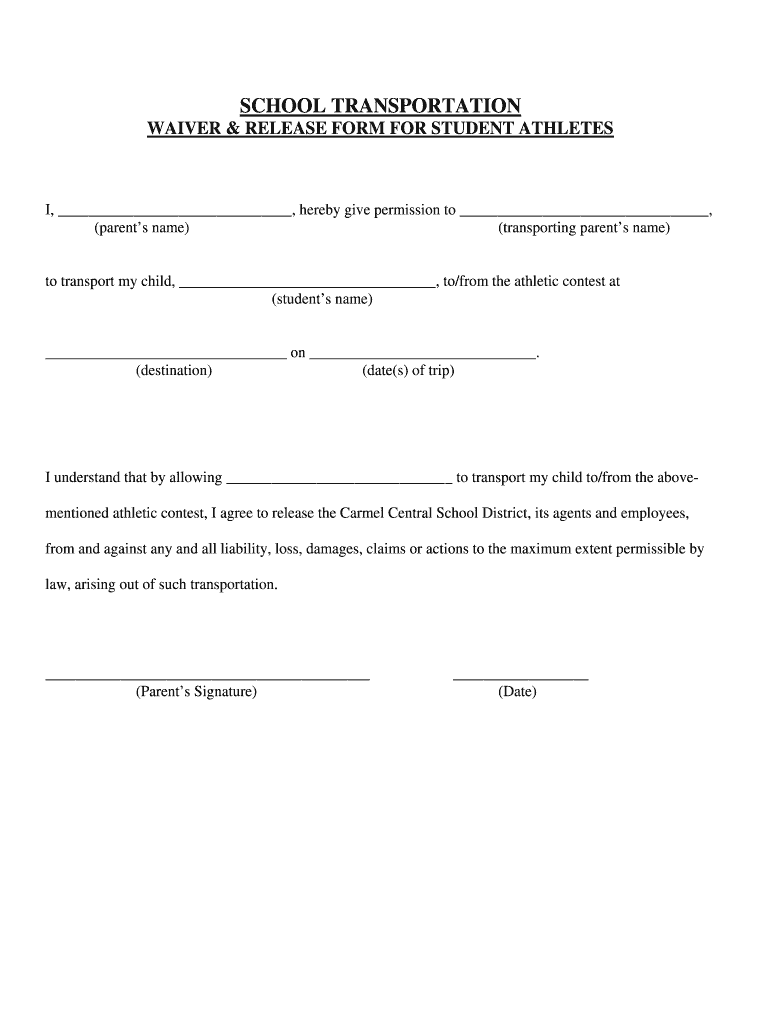
A waiver is a legal document wherein an individual voluntarily relinquishes a known right, claim, or privilege. This can occur in various contexts, including sports, events, or legal agreements. For instance, when parents allow their children to participate in an athletic activity, they may sign a waiver to release the school district from liability for any injuries that occur. Understanding the definition of a waiver helps individuals grasp its significance in terms of legal protections and obligations.
Elements of a Waiver
When creating a waiver, several key elements must be included to ensure its validity:
- Clear Title: The document should be titled clearly as a "Waiver" to indicate its purpose.
- Identification of Parties: Full names and addresses of the individuals or entities involved must be included.
- Description of Activity: A detailed explanation of the activity or event related to the waiver is essential to clarify what the signer is consenting to.
- Acknowledgment of Risks: Signatures should indicate an understanding of the potential risks involved in the activity.
- Signature Lines: The document must have designated spaces for the signature, date, and possibly a witness.
These elements collectively ensure that the document fulfills its intended legal role.
How to Utilize a Waiver: Practical Usage Scenarios
Utilizing a waiver effectively requires an understanding of its purpose and implications. It can be applied in various contexts:
For Sports Activities
In the context of sports, parents may sign a waiver before their children participate in an event to acknowledge the risks involved and release the organizing entity from liability.
For Recreational Events
Waivers are commonly used for recreational events such as hiking, climbing, or team-building activities. Participants must acknowledge the inherent risks associated with these activities.
For Educational Institutions
Schools frequently require students and their parents to sign waivers for field trips, ensuring that the school district is not held liable for any unforeseen incidents during the event.
Understanding how to use a waiver in these scenarios is crucial for both signers and organizers to maintain responsible practices.
The Process to Obtain a Waiver
Obtaining a waiver involves several steps, which are critical for both the issuing and signing parties. Here is a step-by-step process to follow:
- Identify the Purpose: Clearly define why the waiver is being created and for what activity or service.
- Draft the Waiver: Utilize templates or legal assistance to draft the waiver, ensuring all necessary elements are included.
- Provide for Review: Share the waiver with all parties involved for review to ensure understanding and agreement on the content.
- Gather Signatures: Have individuals sign the waiver, noting the date and any witness signatures if required.
- Distribute Copies: After signing, distribute copies to all parties to keep for reference.
Following this process ensures that the waiver is legally sound and understood by all involved.
Reasons to Sign a Waiver
Understanding the reasons behind signing a waiver is essential for individuals considering participation in activities that require one. Here are some of the primary motives:
- Protection for Organizers: By signing a waiver, participants acknowledge the risks and release organizers from liability, thereby offering them a layer of legal protection.
- Normalizing Risks: Waivers help individuals recognize and accept that risks are inherent in certain activities, fostering a more cautious approach to participation.
- Legal Compliance: In many fields, especially sports and recreation, obtaining a signed waiver is a legal requirement to ensure compliance with local laws and regulations.
These reasons underscore the importance of waivers as protective tools in various scenarios.
Key Terms Associated with Waivers
Familiarity with key terms related to waivers enhances understanding and clarity in their applications. Common terms include:
- Release: The act of relinquishing a right or claim.
- Indemnification: An agreement to compensate another party for harm or loss incurred.
- Assumption of Risk: A provision that the signer acknowledges awareness of potential risks involved in the activity.
- Liability: Legal responsibility for damages or injury.
Understanding these terms can streamline discussions and understanding regarding waivers in any context.
Legal Implications of Waivers
The legal ramifications of waivers can vary significantly based on jurisdiction and context. Key considerations include:
- Enforceability: Courts may enforce waivers if they are clearly written and not deemed unconscionable or overly broad.
- Specificity: The more specific a waiver is regarding the risks involved, the more likely it is to be upheld in a legal setting.
- State Regulations: Certain states have unique laws governing waivers, particularly concerning minors and recreational activities, which can affect their validity.
Awareness of these legal implications is crucial for both organizers and participants to avoid challenges post-signing.
Examples of Waivers in Practice
Recognizing the role waivers play in various settings can provide clarity on their practical application. For example:
- Event Waiver: A race organizer may require participants to sign a waiver before a marathon, detailing potential injuries related to physical exertion.
- School Activity Waiver: In school districts, a waiver may be necessary for a field trip, stating that parents release the school from responsibility in case of accidents.
- Facility Usage Waiver: Gyms often require users to sign waivers acknowledging the risks associated with physical activity.
These examples demonstrate how waivers function as protective measures across different contexts, highlighting their practical utility.




