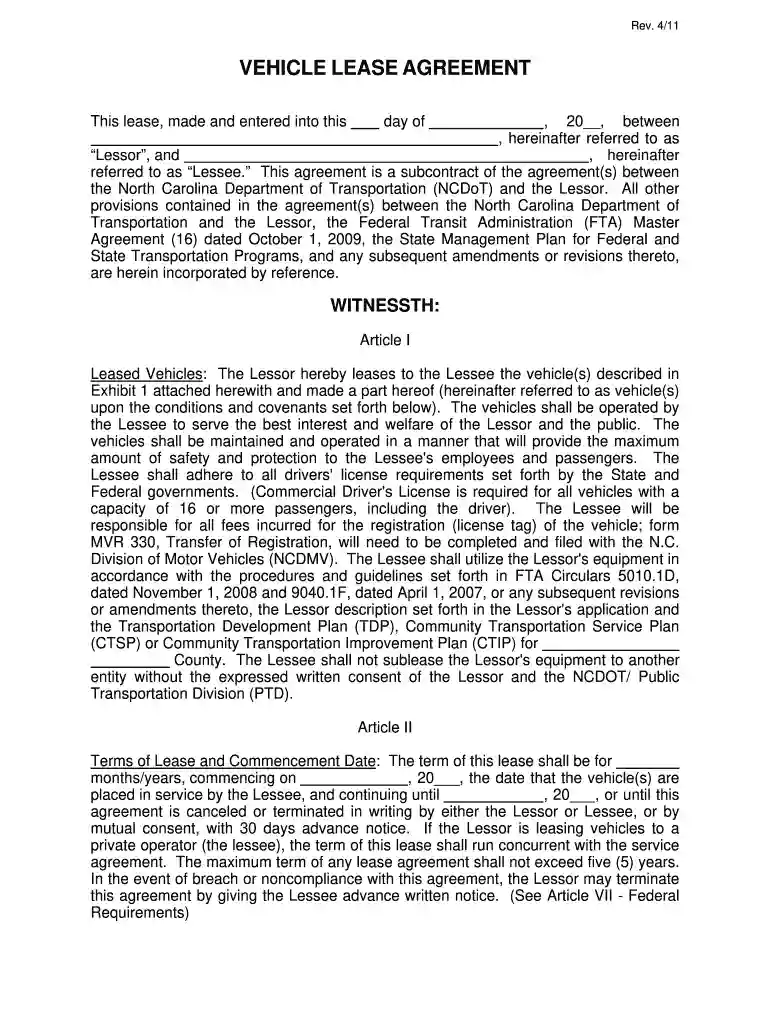
What are some red flags in a lease agreement?
Red flags in a lease include vague language, clauses waiving tenant rights (like the right to a habitable space), excessive fees (late, early termination), unclear maintenance/repair responsibilities, non-refundable deposits, and clauses allowing the landlord unilateral changes or excessive entry, with other signs being pressure tactics or refusal to provide a written lease. Always read carefully, ask questions, negotiate unfavorable terms, and ensure the landlord is legitimate before signing. Lease Clause Red Flags Vague or Unclear Terms: Ambiguous language about responsibilities, repairs, or guests can lead to disputes. Waiver of Rights: Clauses that waive your right to a habitable home, repair-and-deduct, or sue the landlord are often illegal and major red flags. Excessive Fees: Unreasonably high late fees (e.g., over 10%) or exorbitant early termination penalties are problematic. Unclear Maintenance: Clauses that make you responsible for all repairs, even structural ones or pre-existing damage (like mold), are bad signs. Unfavorable Renewal/Termination: Automatic renewals or unclear subletting rules can trap you. As Is Clauses: Can make you responsible for pre-existing damage. Non-Refundable Deposits: Legally, security deposits should be refundable; ask for amendments. Excessive Entry/Storage: Clauses giving landlords unlimited entry or storage rights violate privacy. Landlord/Process Red Flags Pressure Tactics: Being rushed to sign, asked for untraceable payments (cash), or the landlord refusing to provide a written lease. No Property Visit: Refusal to let you see the property or the lease before paying. High Turnover/Complaints: Researching the property owner for previous tenant issues. Unrealistic Rent: Below-market rent can signal a scam. What to Do Get it in Writing: Demand a full, written lease. Negotiate: Request amendments for unfair clauses. Document: Take photos/videos of the propertys condition. Research: Check local tenant laws and landlord history. AI can make mistakes, so double-check responses5 Red Flags Every Renter Should Look for in a Lease | AvailFeb 7, 2022AvailLease agreements red flags : r/personalfinance - RedditApr 24, 2017 If someone asks for a deposit just to show you the place. Not showing you the lease or letting you read through it andRReddit r/personalfinance
Why does Suze Orman say never lease a car?
But according to personal finance expert and New York Times bestselling author Suze Orman, you should never lease one. Leasing a car is the biggest waste of money out there. You only get to drive at 12,000 miles. You have to have a lease gap insurance.Apr 15, 2024
What is the 1.5 rule when leasing a car?
The 1.5% lease rule is a guideline for determining if a car lease is a good deal, suggesting your monthly payment (without tax/fees) should ideally be 1% or less of the cars MSRP for a steal, 1.25% for great, and no more than 1.5% as your absolute maximum; if most offers exceed 1.5%, the car likely has a poor lease program or needs a bigger dealer discount, so you should walk away or try a different vehicle. How to use the rule Formula: (Monthly Lease Payment / Cars MSRP) = Percentage. Calculate your target: Multiply the vehicles MSRP by 1.5% (e.g., $40,000 MSRP x 0.015 = $600/month max). Steal deal: Around 1% (e.g., $400/month for a $40k car). Great deal: Around 1.25% (e.g., $500/month for a $40k car). Max deal: 1.5% (e.g., $600/month for a $40k car). What to do if youre over 1.5% Walk away: If all your offers are above 1.5%, the lease program is bad, according to resources like Deshone the Auto Advisor. Shop more offers: Get more quotes to find bigger dealer discounts. Try a different car: Some vehicles simply have poor manufacturer lease support. Wait: Lease deals change monthly; check back later. For financial advice, consult a professional. so lets fix that. The Cars From Home 1.5% Rule changes - InstagramNov 14, 2025 When all of your offers are over 1. 5%, that means its a bad lease program and you have one or two options. You can cInstagram deshonetheautoadvisorTo know if a lease is a good deal, use the 1.5% rule: divide the monthly Jan 21, 2026 To know if a lease is a good deal, use the 1.5% rule: divide the monthly payment by the cars total MSRP. If the resulFacebook Deshone the Auto Advisor
Does it ever make sense to lease a truck?
Lower Monthly Payments: For those who want to drive a new truck without a hefty monthly bill, leasing can be a more budget-friendly option. It is not uncommon for a truck lease payment to be around $500 on a 36 month lease, while a comparable loan payment on an extended 72 month loan could be $900.
Is leasing on to a trucking company worth it?
Leasing a truck from a company can be worth it for lower upfront costs, access to newer equipment, and tax advantages, making it great for new businesses or those wanting flexibility; however, it can be risky, often with high payments, extra costs (taxes, insurance, maintenance), and less long-term equity than buying, so careful financial planning is crucial to ensure its profitable, not just a dream deal. Benefits of Leasing (Pros) Lower Upfront Costs: Less capital needed compared to buying, preserving cash for operations. Predictable Expenses: Fixed payments and included maintenance offer budget stability. Access to Newer Trucks: Drive modern, efficient, and safer vehicles, potentially boosting driver retention. Tax Advantages: Full lease payments and operating costs can often be deducted for business use. Flexibility: Easier to upgrade or switch vehicles, and you avoid negative equity at lease end by returning the truck. Risks Downsides (Cons) High Payments: Lease payments can be substantial, especially with company-sponsored programs, potentially costing more than buying over time. No Ownership: You dont build equity in the asset; its a long-term rental. Extra Costs: Youre responsible for fuel, insurance, FICA taxes (as an independent contractor), and potentially unexpected repairs. Financial Pressure: You must keep driving to cover payments, with no paid time off. Company Profitability: Some company lease programs are designed to profit the leasing side, not just the driver. When its Worth It (Best For) New Businesses/Drivers: Lowers entry barriers to getting on the road. Businesses Needing Flexibility: For fleets that need to update often or scale. Tax-Savvy Businesses: When maximizing deductions is a priority. When to Buy Instead (Better Alternatives) Long-Term Stability: If you have established routes and plan to operate for years. Building Equity: When you want to own a valuable asset. Lower Overall Cost: Once the loan is paid off, costs decrease DocHubly. Conclusion: Leasing offers immediate benefits but carries DocHub financial responsibilities, especially when arranged through a carrier. Thoroughly analyze the total cost, including all potential expenses, and compare it to the long-term value and costs of ownership before committing. AI can make mistakes, so double-check responsesWould it be smart to jump straight into leasing with Prime Inc or Jul 27, 2024 Here are some things to consider: * You pay an extra 7.65% of your income as FICA taxes because youre self-employed.RedditLeasing a Semi Truck: Pros, Cons, and Real-World Advice from ATSFeb 3, 2026 Why Consider Leasing a Truck? Many professional drivers explore leasing as a way to gain more control over their scheduDrive4ATS