Oh estimated 2026

Get Form
oh estimated Preview on Page 1

Here's how it works

01. Edit your form online
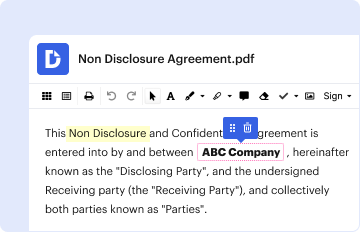
Type text, add images, blackout confidential details, add comments, highlights and more.

02. Sign it in a few clicks
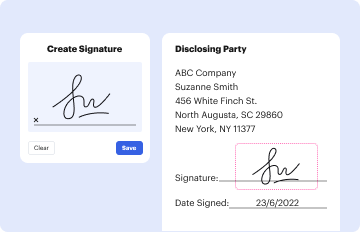
Draw your signature, type it, upload its image, or use your mobile device as a signature pad.

03. Share your form with others
Send it via email, link, or fax. You can also download it, export it or print it out.

How to use or fill out oh estimated with our platform

Form edit decoration
9.5
Ease of Setup
DocHub User Ratings on G2
9.0
Ease of Use
DocHub User Ratings on G2
  1. Click ‘Get Form’ to open the oh estimated in the editor.
  2. Begin by entering your Social Security Number (SSN) at the top of the voucher. If you are filing jointly, include your spouse's SSN as well.
  3. Fill in your name and address details. Use UPPERCASE letters for clarity, especially for the first three letters of your first name.
  4. Indicate the amount of payment due in the designated space. Ensure that this reflects your calculated estimated tax based on the worksheet provided.
  5. Make a check or money order payable to 'Ohio Treasurer of State' and write your SSN on it. Avoid sending cash.
  6. Mail the completed voucher along with your payment to the Ohio Department of Taxation at the specified address.

Start using our platform today to streamline your document editing and form completion for free!

See more oh estimated versions

We've got more versions of the oh estimated form. Select the right oh estimated version from the list and start editing it straight away!
Versions Form popularity Fillable & printable
2023 4.5 Satisfied (48 Votes)
2022 4.6 Satisfied (38 Votes)
2021 4.8 Satisfied (89 Votes)
2020 4.2 Satisfied (130 Votes)
2018 4.4 Satisfied (173 Votes)
2017 4.3 Satisfied (70 Votes)
2016 4.6 Satisfied (47 Votes)
be ready to get more

Complete this form in 5 minutes or less

Get form

Got questions?

We have answers to the most popular questions from our customers. If you can't find an answer to your question, please contact us.
Contact us
a calculation of the amount of tax a person, company, or organization must pay before an official figure is given by the tax authorities: Tax advisers will guide you in what estimated tax payments to make.
The quarterly installment due is compared with the combined estimate and withholding payments from each quarter. Any difference will be subjected to penalty of 15%. Interest will also be imposed at the federal short term rate rounded to the nearest whole percent, plus five percent.
Ohio employs a graduated income tax system with rates ranging from 2.765% to 3.99%, which can docHubly impact your net income based on your earnings level. While relatively straightforward compared to some other states, Ohios tax code includes various deductions and exemptions that affect your paycheck.
Estimated tax is a quarterly payment of taxes for the year based on the filers reported income for the period. Most of those who are required to pay taxes quarterly are small business owners, freelancers, and independent contractors.
Estimated tax is the tax you expect to owe for the current tax year after subtracting: Credits you plan to take. Tax you expect to have withheld.

Security and compliance

At DocHub, your data security is our priority. We follow HIPAA, SOC2, GDPR, and other standards, so you can work on your documents with confidence.

Learn more
ccpa2
pci-dss
gdpr-compliance
hipaa
soc-compliance

People also ask

If the amount of income tax withheld from your salary or pension is not enough, or if you receive income such as interest, dividends, alimony, self-employment income, capital gains, prizes and awards, you may have to make estimated tax payments.
Generally, taxpayers should make estimated tax payments in four equal amounts to avoid a penalty. However, if you receive income unevenly during the year, you may be able to vary the amounts of the payments to avoid or lower the penalty by using the annualized installment method.
Individual income tax Phases down the state income tax on nonbusiness income to a flat rate of 2.75% over two years. In tax year 2025: Reduces the top bracket (over $100,000) from 3.5 to 3.125%. In tax year 2026: Reduces the top bracket to the flat 2.75%, applied to all income over $26,050.

Related links