



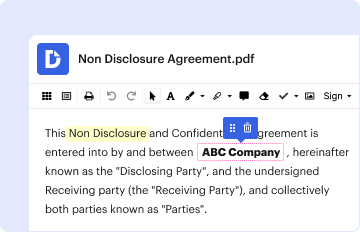
01. Edit your household composition letter online
Type text, add images, blackout confidential details, add comments, highlights and more.

Type text, add images, blackout confidential details, add comments, highlights and more.
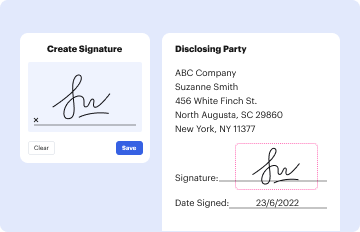
Draw your signature, type it, upload its image, or use your mobile device as a signature pad.

Send household composition letter sample via email, link, or fax. You can also download it, export it or print it out.
Household composition refers to the structure of a household, detailing the individuals living together and their relationships to each other. Understanding household composition is essential for various administrative and legal purposes, including housing programs, welfare eligibility, and census data collection. It encompasses:
Household composition is often documented in forms such as the Household Composition & Income Eligibility Form, which is vital for assessing eligibility for various assistance programs.
Completing the household composition form requires careful attention to detail to ensure compliance with program requirements. Here are the steps to follow:
Gather Required Information:
Fill Out the Form:
Document Income Sources:
Review for Completeness:
Submit the Form:
By following these steps, applicants can ensure that their household composition is accurately represented, thereby improving their chances of meeting eligibility requirements for assistance.
Household composition forms are essential tools used by various entities for multiple purposes. Primary users include:
By understanding who uses household composition forms, individuals can better prepare and provide the necessary documentation for various applications and compliance requirements.
Understanding key terminology related to household composition is essential for effectively completing related forms. Here are several terms often encountered:
Familiarity with these terms helps individuals navigate the processes involved in benefits applications and ensures accuracy when filling out forms.
The household composition form typically requires the submission of several supporting documents to validate the information provided. These documents may include:
Providing accurate and complete documentation ensures a smoother application process and adheres to compliance standards imposed by program administrators.
Here are various scenarios demonstrating the utility of household composition forms:
Securing Housing Assistance: A family applying for low-income housing must disclose all family members and their income to qualify for a public housing program.
SNAP Application: An individual seeking nutrition assistance through SNAP needs to submit their household composition to establish eligibility based on family size and income.
Health Insurance Enrollment: A household applying for health coverage through state programs must provide a complete composition to ensure all eligible dependents are included.
Census Reporting: Households participating in the national census must accurately report their composition to contribute to demographic data for community planning.
In these scenarios, the household composition form plays a critical role in determining access to essential services and benefits.
We've got more versions of the household composition letter form. Select the right household composition letter version from the list and start editing it straight away!
| Versions | Form popularity | Fillable & printable |
|---|---|---|
| 2017 | 4.6 Satisfied (54 Votes) |
At DocHub, your data security is our priority. We follow HIPAA, SOC2, GDPR, and other standards, so you can work on your documents with confidence.
A household may be composed of any of the following individuals or groups of individuals: 1. Individual living alone; 2. An individual living with others.Read more
3 Current composition. Function. The royal household forms the core of the royal court consisting mostly of positions of service to the Grand Duke. Some ofRead more
composition. Household Composition. Must provide verification of how many persons reside in the household. Statement from Non-Relative Landlord.Read more


