



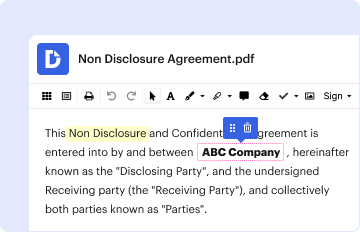
01. Edit your driver exclusion form online
Type text, add images, blackout confidential details, add comments, highlights and more.

Type text, add images, blackout confidential details, add comments, highlights and more.
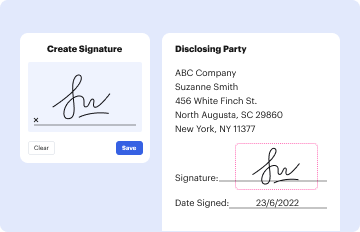
Draw your signature, type it, upload its image, or use your mobile device as a signature pad.

Send driver exclusion form pdf via email, link, or fax. You can also download it, export it or print it out.
The driver exclusion form template serves a crucial purpose in auto insurance policies, allowing policyholders to formally exclude specific individuals from their coverage. This exclusion means that if an excluded driver operates the insured vehicle, the insurance policy will not cover any resulting damages or claims. This form is particularly important for those who might live with or frequently associate with individuals they do not wish to have driving their vehicles, whether due to previous incidents or high-risk behaviors.
The driver exclusion form template is employed by a variety of individuals and circumstances:


Acquiring the driver exclusion form template is a straightforward process, primarily facilitated through various channels:
Completing the driver exclusion form template involves a few critical steps to ensure accuracy and compliance with insurance guidelines:
Gather Necessary Information: Collect all relevant data about the policyholder and the excluded drivers. This includes full names, addresses, and any additional identification details required by the insurance provider.
Fill Out the Form: Carefully input the gathered information into the designated fields of the form. It's vital to ensure that all information is accurate to avoid complications later. Any errors might lead to enforcement issues regarding the exclusions.
Review for Completeness: Before submission, double-check the entire form for completeness. Confirm that all necessary signatures, including those of co-policyholders, if applicable, are included.
Submit the Form: Depending on the insurer’s preference, submit the completed form either online through their portal, via email, or by mail. Always keep a copy for personal records.
Wait for Confirmation: After submission, seek confirmation from the insurance provider that the exclusions have been processed and appropriately documented.
Understanding the essential components of the driver exclusion form template is critical for proper usage:
Policyholder Information: This includes the primary insured's name, contact information, and policy details, ensuring that the form is linked to the correct auto insurance policy.
Excluded Driver Details: All excluded drivers must be listed with full names and sometimes driver’s license numbers. This information clarifies who is definitively not covered.
Effective Date of Exclusion: A specified date indicating when the exclusions take effect is vital, as it delineates the coverage period.
Signatures: The form typically requires the signature of the primary insured and any co-insured parties, ensuring mutual consent to the exclusions.
Insurance Company Acknowledgment: Proof that the insurance company has received and accepted the terms outlined in the exclusion form is often included or available after processing.
The driver exclusion form template is legally recognized within the insurance framework, allowing policyholders to delineate risk. Its legal implications include:
Contractual Binding: Once signed and processed, the exclusions become part of the contractual agreement between the policyholder and the insurer, thus enforceable by law.
Compliance with Regulations: Insurers are required to comply with state laws varying from one jurisdiction to another. Therefore, it’s essential for users to understand their state-specific insurance regulations regarding exclusions.
Protection Against Fraudulent Claims: Legitimately excluding drivers from a policy helps protect against claims that could arise from unintentional coverage, safeguarding the policyholder from fraudulent use of their insurance.
Different states might have unique requirements and regulations concerning the use of a driver exclusion form template:
Exclusion Period: Some states mandate a minimum period for which exclusions must be in place before a claim can be evaluated, while others may allow immediate exclusions.
Insurance Approval: Certain jurisdictions may require that exclusions be ratified by the insurance provider on the front end, while others may allow the exclusion to take effect upon submission.
Penalties for Non-Compliance: It is critical to understand that not disclosing excluded drivers may result in penalties—ranging from increased premiums to denial of claims—should an excluded driver operate the vehicle involved in an accident.
Several real-world scenarios accentuate the practical application of the driver exclusion form template:
Young Adult Living at Home: A policyholder with a teenage child who has recently incurred driving violations can use the exclusion form to keep the child from being covered, thus managing their overall risk and potential premium increases.
Roommate with a Poor Driving Record: Consider a policyholder who has a roommate with a history of accidents. By excluding the roommate, the policyholder protects themselves financially in case the roommate drives their vehicle.
Business Context: A small business owner may opt to exclude employees who misuse company cars or have poor driving histories to keep insurance costs manageable and safeguard the business against liability claims.
The driver exclusion form template is a valuable tool for policyholders seeking to tailor their auto insurance coverage and manage risk effectively by formally excluding potentially high-risk drivers.
We've got more versions of the driver exclusion form form. Select the right driver exclusion form version from the list and start editing it straight away!
| Versions | Form popularity | Fillable & printable |
|---|---|---|
| 2014 | 4.3 Satisfied (43 Votes) |
At DocHub, your data security is our priority. We follow HIPAA, SOC2, GDPR, and other standards, so you can work on your documents with confidence.
This exclusion does not apply to the loss of use of tangible property arising out of sudden and accidental physical injury to your product or your work after itRead more
Mar 26, 2019 The form must contain a place for the excluded drivers name, a place for the insureds signature, the insurers signature, the date, and aRead more


