
Probate proceedings 2026

Get Form
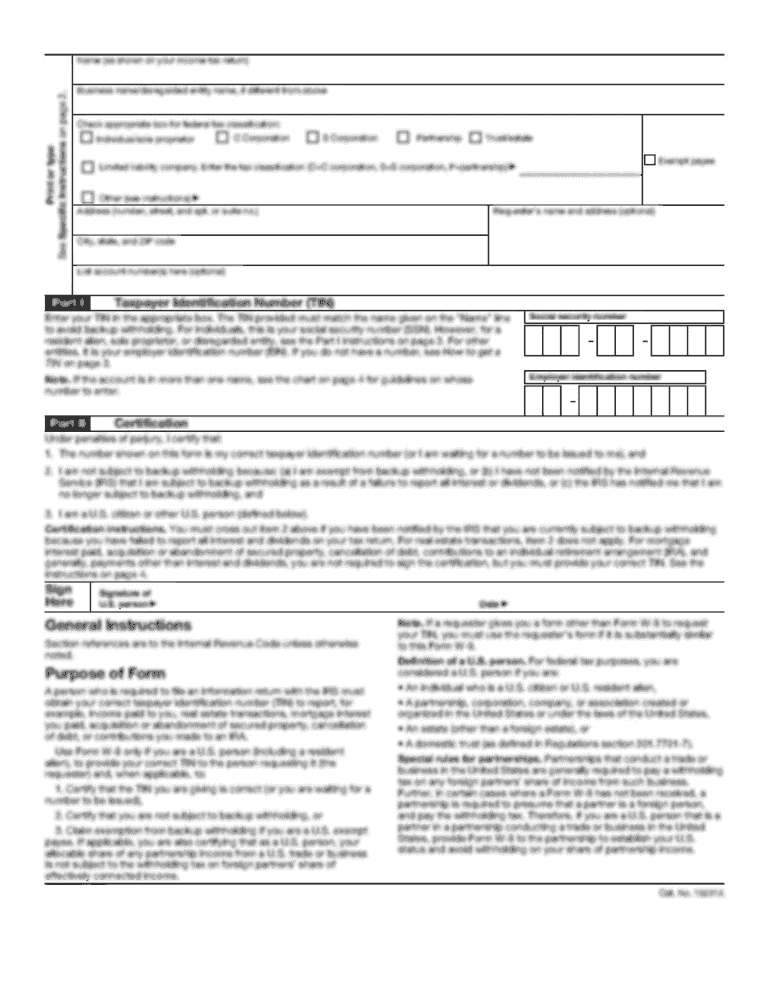
probate proceedings Preview on Page 1

Here's how it works

01. Edit your form online
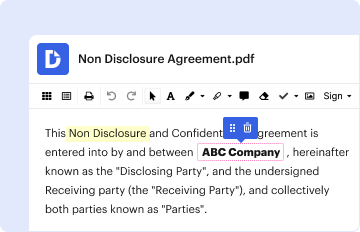
Type text, add images, blackout confidential details, add comments, highlights and more.
02. Sign it in a few clicks
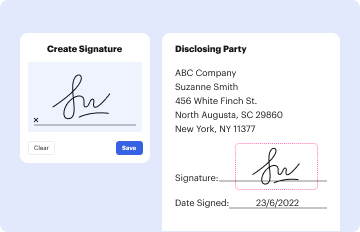
Draw your signature, type it, upload its image, or use your mobile device as a signature pad.
03. Share your form with others
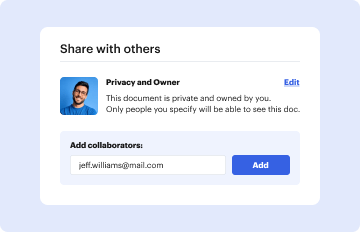
Send it via email, link, or fax. You can also download it, export it or print it out.

How to use or fill out probate proceedings with our platform

Form edit decoration
9.5
Ease of Setup
DocHub User Ratings on G2
9.0
Ease of Use
DocHub User Ratings on G2
  1. Click ‘Get Form’ to open the probate proceedings document in the editor.
  2. Begin by entering the date at the top of the document. This is crucial for establishing a timeline for the probate process.
  3. Fill in your name and address details in the designated fields. Ensure accuracy as this information will be used for official correspondence.
  4. In the 'Re:' section, specify the matter related to the estate clearly, ensuring it reflects the correct legal terminology.
  5. Address your letter appropriately, using a professional tone. Include 'Dear [Name]' followed by a brief introduction regarding the estate.
  6. Review and complete any additional sections that require signatures or notary acknowledgment, ensuring all parties are informed and consent is documented.
  7. Once completed, save your document and utilize our platform’s features to share it securely with involved parties for their signatures.

Start using our platform today to streamline your probate proceedings efficiently and for free!

be ready to get more

Complete this form in 5 minutes or less

Get form

Got questions?

We have answers to the most popular questions from our customers. If you can't find an answer to your question, please contact us.
Contact us
The term Probate comes from the Latin word Probare, meaning to prove. Matters in early English religious courts were proven before an Ecclesiastical Judge. Early American Probate Courts are traced back to those English religious courts which had jurisdiction over the probate of wills and administration of estates.
First, the Executor is responsible for closing any accounts and settling debts on behalf of the Estate. They must also file any necessary medical or life insurance claims. This is also the point where assets or real estate will be sold, if specified in the Will.
Distributing funds after probate is a meticulous process that requires patience and careful administration. For straightforward estates, beneficiaries can typically expect to receive their inheritance within six to 12 months. For more complex cases, this timeline may extend docHubly.
The probate court will assess what assets need to be distributed among the legal heirs and how to distribute them. The probate laws in most states divide property among the surviving spouse and children of the deceased. Asset transfer to the government is known as escheatment.
Any assets that are titled in the decedents sole name, not jointly owned, not payable-on-death, dont have any beneficiary designations, or are left out of a Living Trust are subject to probate. Such assets can include: Bank or investment accounts. Stocks and bonds.

Security and compliance

At DocHub, your data security is our priority. We follow HIPAA, SOC2, GDPR, and other standards, so you can work on your documents with confidence.

Learn more
ccpa2
pci-dss
gdpr-compliance
hipaa
soc-compliance
be ready to get more

Complete this form in 5 minutes or less

Get form