




Here's how it works
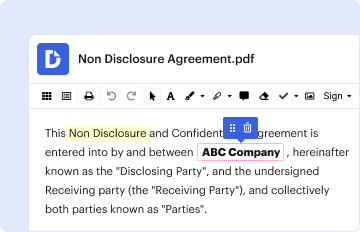
01. Edit your free chapter 7 bankruptcy form online
Type text, add images, blackout confidential details, add comments, highlights and more.
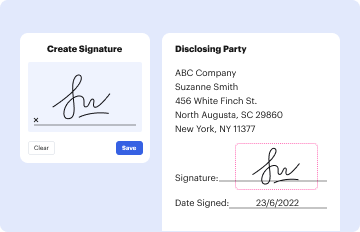
02. Sign it in a few clicks
Draw your signature, type it, upload its image, or use your mobile device as a signature pad.
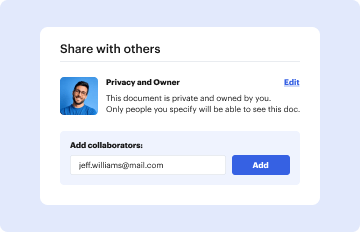
03. Share your form with others
Send free bankruptcy forms chapter 7 via email, link, or fax. You can also download it, export it or print it out.
How to use or fill out bankruptcy form 7 with our platform

- Click ‘Get Form’ to open the bankruptcy form 7 in the editor.
- Begin by filling out your personal information, including your name and case number. Ensure accuracy as this information is crucial for processing.
- Proceed to complete Questions 1 through 18, which cover your financial affairs. For each question, provide detailed answers regarding income, payments to creditors, and any legal proceedings.
- If applicable, answer Questions 19 through 25 regarding business activities and partnerships. This section is essential for those who have been involved in business within the last six years.
- Review all entries for completeness and accuracy. Use our platform's features to add notes or comments if you need additional space for explanations.
- Once satisfied with your responses, save the document. You can then print it directly or share it via email for further review.
Start using our platform today to fill out your bankruptcy form 7 easily and efficiently!
Fill out bankruptcy form 7 online
It's free
It's free
Got questions?
We have answers to the most popular questions from our customers. If you can't find an answer to your question, please contact us.
Contact us
What is the minimum amount of debt for Chapter 7?
No Minimum Debt Required Its About Whether You Can Afford to Repay Theres no legal minimum dollar amount of debt required to file Chapter 7. Chapter 7 is designed to wipe out unsecured debt (like credit cards, medical bills, personal loans) for people who cannot afford to pay it back.
What do you lose when you file Chapter 7?
Special debts like child support, alimony and student loans, will not be eliminated when filing for bankruptcy. Not all debts are treated the same. The law takes some debts very seriously and these cannot be wiped out by filing for bankruptcy.
What does chapter 7 bankruptcy wipe out?
Chapter 7 bankruptcy is a powerful tool that wipes out common consumer debts, including credit card debt, medical bills, personal loans, payday loans, unpaid utility bills, and more. Some debts, like child support and alimony, cant be discharged in bankruptcy.
Whats the difference between a Chapter 7 and chapter 13 bankruptcy?
The biggest difference between Chapter 7 and Chapter 13 is that Chapter 7 focuses on discharging (getting rid of) unsecured debt such as credit cards, personal loans and medical bills while Chapter 13 allows you to catch up on secured debts like your home or your car while also discharging unsecured debt.
How bad is filing chapter 7 bankruptcy?
The main cons to Chapter 7 bankruptcy are that most secured debts wont be erased, you may lose nonexempt property, and your credit score will likely take a temporary hit. Filing for bankruptcy is a very effective way to eliminate debt and get a fresh start.
Security and compliance
At DocHub, your data security is our priority. We follow HIPAA, SOC2, GDPR, and other standards, so you can work on your documents with confidence.
Learn more


Related forms
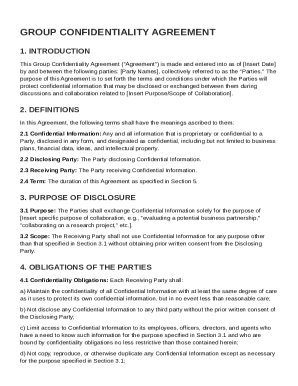
Group Confidentiality Agreement Template
The Group Confidentiality Agreement outlines the terms and conditions for protecting confidential information exchanged ...
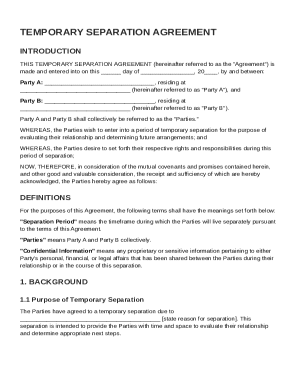
Temporary Separation Agreement Template
The Temporary Separation Agreement outlines the terms and conditions for a period of separation between two parties, ref ...

Modified Work Agreement Template
The Modified Work Agreement outlines the terms for accommodating employees facing medical or personal challenges by adju ...
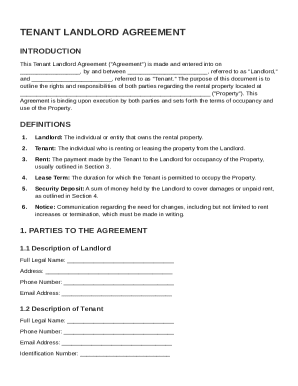
Tenant Landlord Agreement Template
The Tenant Landlord Agreement outlines the rights and responsibilities of both the landlord and tenant regarding a renta ...
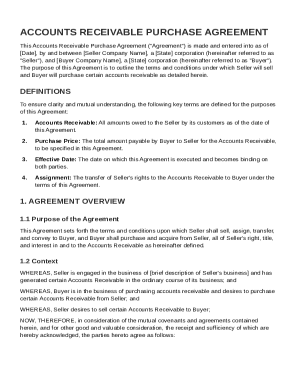
Accounts Receivable Purchase Agreement Template
The Accounts Receivable Purchase Agreement outlines the terms under which a Seller sells and a Buyer purchases specific ...

Advisor Agreement Template
The Advisor Agreement outlines the terms and conditions under which an Advisor will provide advisory services to a Clien ...
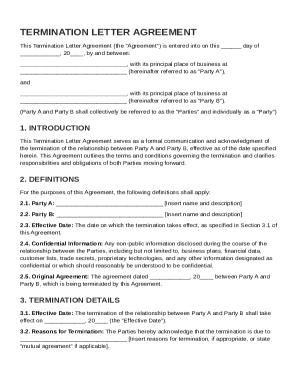
Termination Letter Agreement Template
The Termination Letter Agreement formalizes the termination of the relationship between Party A and Party B, outlining t ...
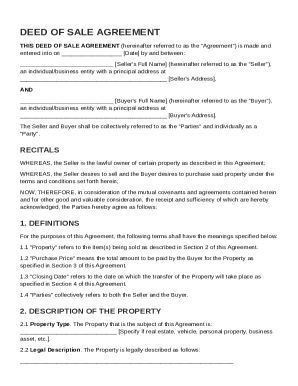
Deed of Sale Agreement Template
The document is a Deed of Sale Agreement between a Seller and a Buyer, outlining the terms and conditions for the sale o ...
People also ask
Does Chapter 7 wipe out all debt?
A Chapter 7 bankruptcy wipes out mortgages, car loans, and other secured debts. But suppose you dont continue to pay as agreed. In that case, the lender will take back the home, car, or other collateralized property using the lenders lien rights.