






Understanding the HIPAA Notice of Privacy Practices
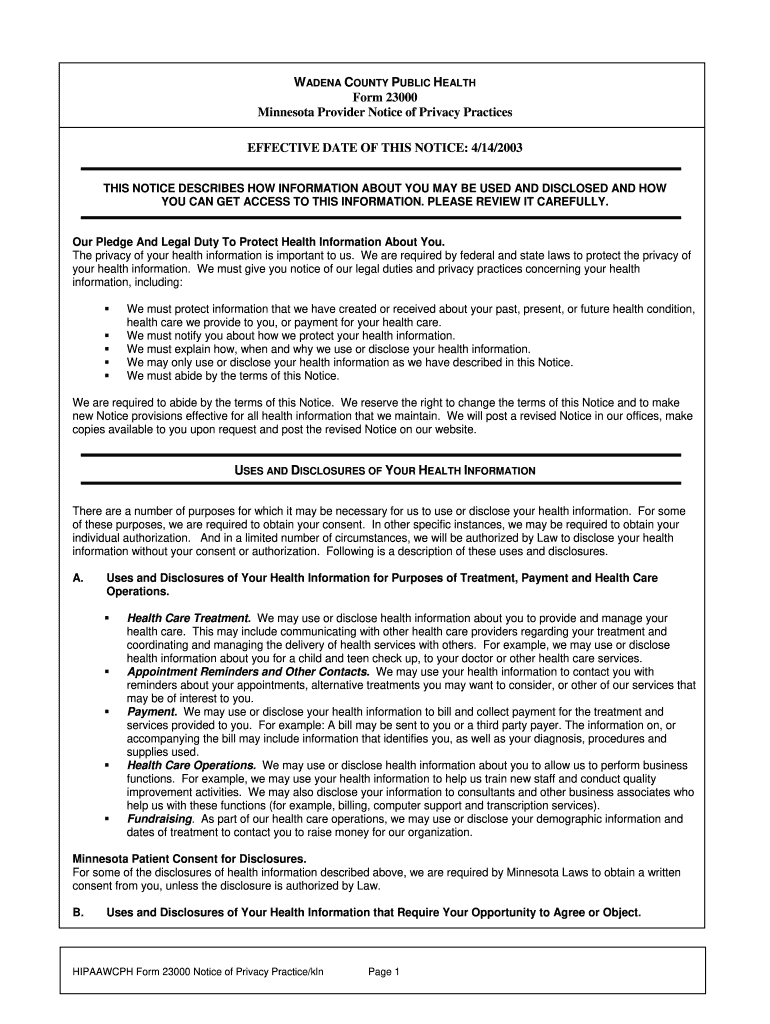
The HIPAA Notice of Privacy Practices is an essential document required by the Health Insurance Portability and Accountability Act. This document informs patients about how their protected health information (PHI) may be used and disclosed, as well as their rights regarding this information. It is necessary for all covered entities in the U.S., including healthcare providers, health plans, and healthcare clearinghouses.
Key Components of the HIPAA Notice
The notice should comprehensively outline several critical aspects:
-
Uses and Disclosures: Specify the ways in which PHI can be used for treatment, payment, and healthcare operations. Further explanations can include:
- Treatment: Sharing information with other healthcare providers for patient care.
- Payment: Use of information for billing and collection purposes.
- Healthcare Operations: Activities that aid in the operation of the health system, like quality assurance and training.
-
Patient Rights: Important rights that patients maintain include:
- The right to access their health records.
- The right to request amendments to their records.
- The right to receive an accounting of disclosures.
- The right to restrict certain disclosures.
-
Privacy Obligations: Describe the obligations of the healthcare provider in maintaining confidentiality and safeguarding PHI. This includes security measures and compliance standards.
The Template for Compliance
A well-structured HIPAA Notice of Privacy Practices PDF 2021 template serves as a critical tool for healthcare entities. This template should satisfy current regulatory requirements, incorporating these essential elements in a clear and comprehensive format. Templates must be easily adjustable to fit the specific practices and policies of the healthcare organization.
Practical Example of Template Content
A typical 2021 template might include the following sections:
-
Introduction
- A brief overview of the healthcare organization and its commitments to privacy.
-
General Uses of Health Information
- Detailed descriptions of how PHI may be shared, ensuring compliance with HIPAA guidelines.
-
Rights of Patients
- Clear language outlining patient rights concerning their health information, including how to exercise these rights.
-
Complaints and Inquiries
- Information on how patients may file complaints regarding privacy violations or seek further information.
Importance of Regular Updates
It is vital for organizations to regularly review and update their notice. This can ensure that they remain compliant with changing laws, regulations, and organizational policies. Failure to keep the notice current may lead to legal issues or patients being misinformed about their rights.
- Review Frequency Recommended:
- At least annually or when significant changes occur in the health information management processes.
Implementation in Practice
Organizations are encouraged to incorporate the notice into their workflows effectively. This can involve:
-
Training Staff: Provide regular training to staff about the importance of the HIPAA Notice of Privacy Practices and how it should be communicated to patients.
-
Distributing Notices: Ensure that patients receive the notice upon their first visit and anytime significant changes are made to privacy practices.
-
Feedback Mechanisms: Offer ways for patients to ask questions about the notice or make suggestions for improvement.
State-Specific Considerations
Although the HIPAA Notice establishes federal requirements, state laws may impose additional restrictions and obligations on how PHI is handled. For instance, some states may require more stringent privacy protections or additional notifications.
Organizations must be aware of these state-specific nuances and ensure that their templates and practices align accordingly, enhancing compliance and safeguarding patient trust.
This guidance facilitates a structured approach to creating a HIPAA Notice of Privacy Practices PDF 2021 template that satisfies regulatory requirements while supporting effective patient communication and privacy advocacy in healthcare settings.