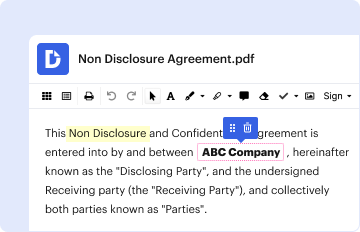
Type text, add images, blackout confidential details, add comments, highlights and more.
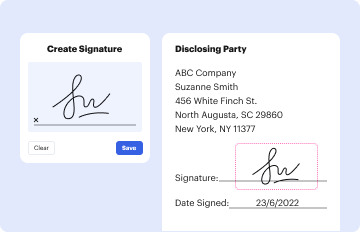
02. Sign it in a few clicks
Draw your signature, type it, upload its image, or use your mobile device as a signature pad.
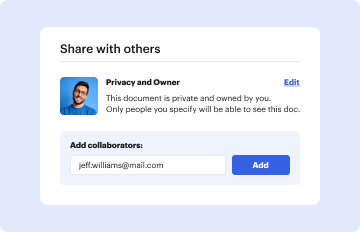
03. Share your form with others
Send it via email, link, or fax. You can also download it, export it or print it out.
How to use or fill out will caveat with our platform
Ease of Setup
DocHub User Ratings on G2
Ease of Use
DocHub User Ratings on G2
Click ‘Get Form’ to open the will caveat in the editor.
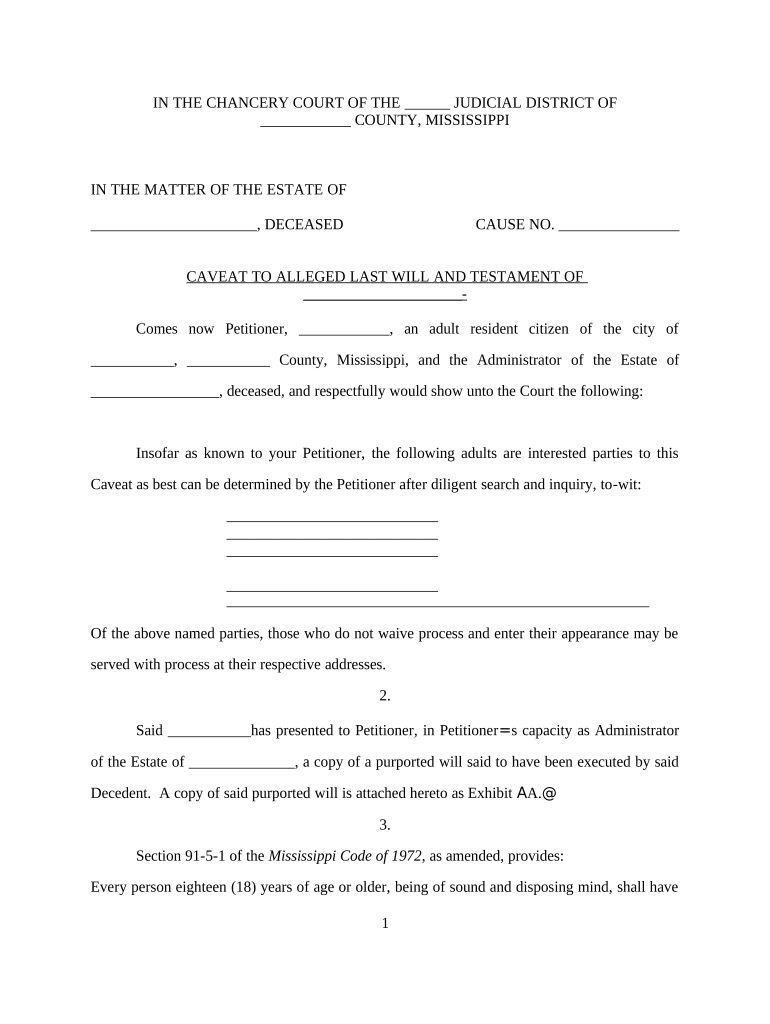
Begin by filling in the header with the appropriate judicial district and county information. This sets the context for your document.
In the section labeled 'IN THE MATTER OF THE ESTATE OF', enter the name of the deceased individual. This is crucial for identifying the estate involved.
Next, provide your name as the Petitioner along with your address details. Ensure accuracy as this identifies you in legal proceedings.
List all interested parties in the designated area. This includes anyone who may have a claim or interest in the estate, ensuring they are notified.
Attach a copy of the purported will as Exhibit A, ensuring it is referenced correctly within your document.
Finally, review all sections for completeness and accuracy before signing and dating at the bottom of the form.
Start using our platform today to streamline your will caveat process for free!
If your language is ambiguous or your intentions are not clear it could lead to instructions not being followed properly or the will being ruled invalid. Ensure you seek professional advice when writing a will, and that all of the proper steps are taken, including having the will witnessed.
Who benefits from using a caveat?
Protecting Lenders and Creditors: If you are a lender or creditor, lodging a caveat ensures that your financial interests in a property are recognised and protected against potential revenue-destroying transactions by the property owner.
What does caveat mean in a will?
When would you use a caveat to prevent a grant of probate? A caveat is most commonly used in probate where there is concern about the validity of the deceased persons will. The caveat will stop someone from obtaining a grant and administering the estate while those concerns are being investigated.
What is a caveat in simple words?
A caveat is a warning. When someone adds a caveat to something theyre telling you to beware maybe what theyre telling you comes with certain conditions or maybe theres something dangerous lurking.
What is a will caveat?
A Will Caveat is a formal legal challenge filed in court to dispute the validity of a deceased persons will, often due to undue influence, testamentary capacity issues, or procedural errors.
Related Searches
Reasons for putting a caveat on a willMisuse of caveatWho can put a caveat on probateGrounds for entering a caveatNC will caveatProbate caveatProbate caveat searchHow to check if a caveat is in place online
Security and compliance
At DocHub, your data security is our priority. We follow HIPAA, SOC2, GDPR, and other standards, so you can work on your documents with confidence.
Cookie consent notice
This site uses cookies to enhance site navigation and personalize your experience.
By using this site you agree to our use of cookies as described in our Privacy Notice.
You can modify your selections by visiting our Cookie and Advertising Notice.