01. Edit your form online
Type text, add images, blackout confidential details, add comments, highlights and more.

Type text, add images, blackout confidential details, add comments, highlights and more.

Draw your signature, type it, upload its image, or use your mobile device as a signature pad.

Send it via email, link, or fax. You can also download it, export it or print it out.

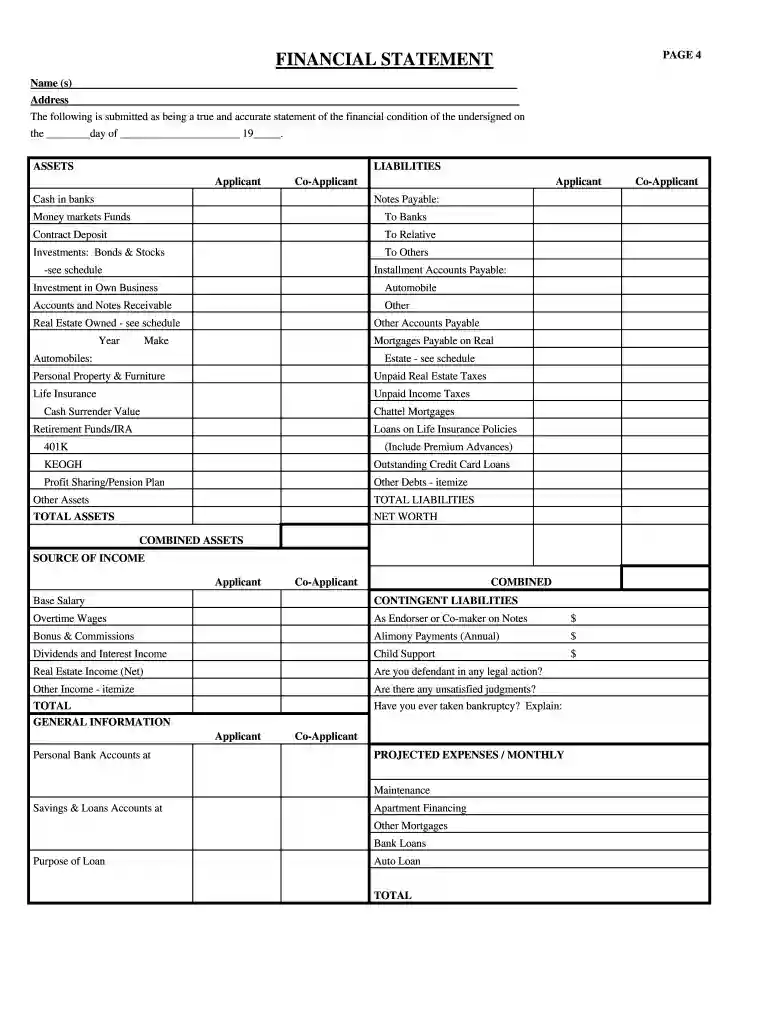
Handling documents with our feature-rich and intuitive PDF editor is simple. Make the steps below to complete Rebny financial statement online quickly and easily:
Make the most of DocHub, one of the most easy-to-use editors to rapidly manage your documentation online!
We've got more versions of the rebny financial statement form. Select the right rebny financial statement version from the list and start editing it straight away!
At DocHub, your data security is our priority. We follow HIPAA, SOC2, GDPR, and other standards, so you can work on your documents with confidence.