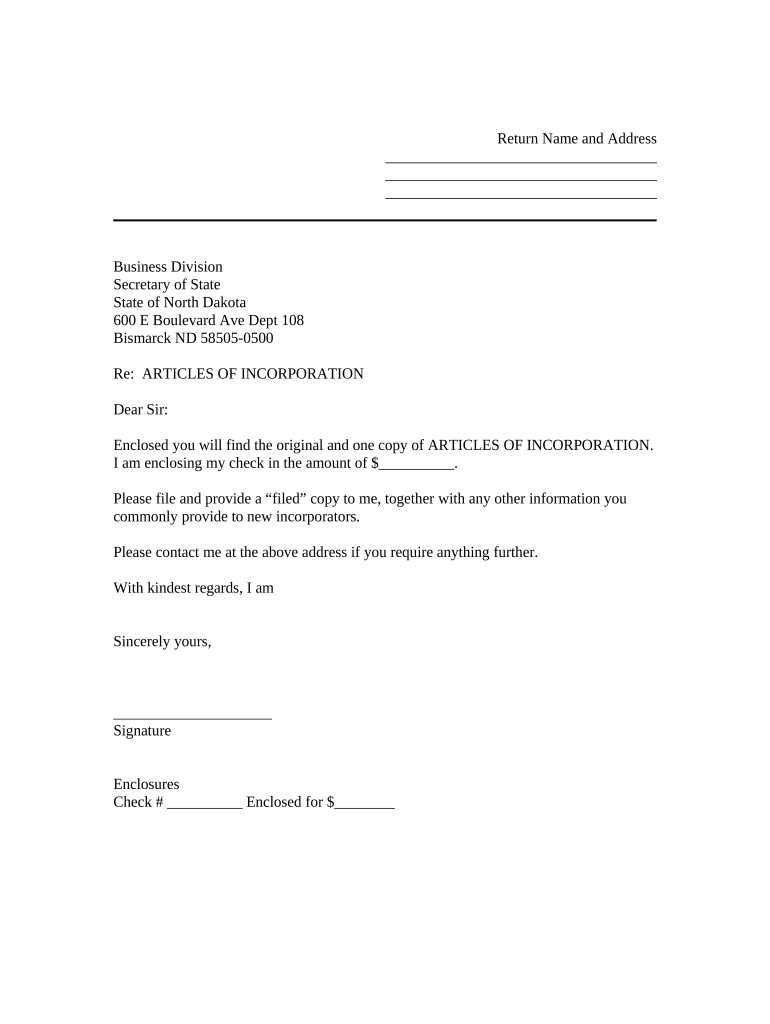







Definition & Meaning of Sample Transmittal Letter Document
A sample transmittal letter document serves as a formal means of communication that accompanies submitted documents. It acts as a cover letter to provide context regarding the materials included and often outlines the purpose of the submission. This type of letter is especially important in formal or legal contexts, where clarity and professionalism are paramount.
The primary purpose of a transmittal letter document is to summarize the accompanying documents, state the intent of the submission, and facilitate a smoother review process for the recipient. It can be used in various scenarios, including submissions to government agencies, business proposals, or any formal documentation exchange where clarity is critical.
Key Components of a Transmittal Letter
- Introduction: A brief statement identifying the sender and purpose.
- Documentation Overview: A list or description of the enclosed documents.
- Request for Acknowledgment: A polite request for the recipient to acknowledge receipt.
- Contact Information: The sender's contact details for follow-up questions or clarifications.
How to Use the Sample Transmittal Letter Document
Utilizing a sample transmittal letter is straightforward. Begin by customizing the template to fit your specific context and needs. Determine the elements necessary for your correspondence, and ensure that all relevant information is included.
- Review the Template: Start with your sample transmittal letter and read through it to ensure you understand its structure and components.
- Modify Content: Replace placeholder text with specific details about the documents you are submitting, including the date, recipient information, and a brief description of each document.
- Finalize Format: Ensure that the letter follows a formal layout, including proper spacing and a professional font.
Common Applications
- Submitting legal documents: Used by lawyers or individuals submitting forms to government bodies.
- Business transactions: Often employed in corporate settings for proposals, bids, or major agreements.
- Academic submissions: Useful for students or researchers providing papers or projects to educational institutions.
Steps to Complete the Sample Transmittal Letter Document
Creating a complete and effective transmittal letter involves several steps. This process ensures that your communication is coherent and fulfills its intended purpose.
- Gather Necessary Information: Before writing, collect all relevant details including the names and addresses of both the sender and receiver, document types, and any deadlines involved.
- Draft an Outline: Outline the main points you need to include, such as an introduction, document list, and closing remarks.
- Write the Letter:
- Start with a formal salutation.
- Present a clear introduction, stating the purpose and listing the enclosed documents.
- Conclude with a thank-you statement and your contact information.
- Proofread: Carefully review your letter for clarity and errors before finalizing it.
- Send It Out: Determine the best method for submission—email, mail, or in-person delivery—and send the letter accordingly.
Key Elements of the Sample Transmittal Letter Document
Each transmittal letter should contain essential elements to ensure it functions effectively. Omitting any of these can lead to misunderstandings regarding the submission.
- Date: Clearly indicate the date of the correspondence to establish a timeline.
- Recipient’s Name and Title: Personalize the letter by addressing the specific individual or department to whom it is directed.
- Subject Line: Provide a brief subject line summarizing the letter's intent, making it easier for recipients to prioritize their reading.
- Body Content: Detail the contents of the package or documents being sent. Clearly itemize any attached documents and their respective purposes.
- Closing Statement: Wrap up the letter with courteous language, indicating your availability for follow-up questions.
Who Typically Uses the Sample Transmittal Letter Document
The sample transmittal letter document is utilized by a variety of professionals and individuals in numerous settings, each requiring clear communication when submitting materials.
- Legal Professionals: Attorneys often use transmittal letters when submitting filings to courts or other legal entities to summarize case documents.
- Businesses and Corporations: Companies use these letters for proposals or bids, ensuring clarity in their communications with potential clients or partners.
- Academic Institutions: Students and faculty submitting research papers or grant applications rely on transmittal letters to clarify submission details.
- Government Entities: Various agencies require transmittal letters when individuals or organizations submit forms and documentation for processing.


Examples of Using the Sample Transmittal Letter Document
In various fields, examples of effective transmittal letters can illustrate the diverse applications of this document type.
- Example One: A law firm submits a package of documents to the court with a cover letter outlining each item, including motions and supporting evidence, to expedite the judge’s review.
- Example Two: A nonprofit organization sends a grant proposal to a funding agency, including a transmittal letter that highlights the project’s objectives and budget overview.
- Example Three: An academic researcher submits a thesis to a university committee, accompanied by a transmittal letter summarizing the research methodologies and findings, ensuring that reviewers have essential context.
Legal Use of the Sample Transmittal Letter Document
The sample transmittal letter document holds significant legal weight, especially when used in formal submissions.
- Adherence to Regulations: Specific legal and governmental processes often require a transmittal letter to accompany filings, reinforcing compliance with submission standards.
- Evidence of Submission: A transmittal letter acts as a record of what has been submitted and when, which can be crucial in legal proceedings or disputes.
- Notice to Recipients: The letter also serves to inform the recipient of the specifics of the submission, potentially mitigating misunderstandings during processing or review.
Important Terms Related to Sample Transmittal Letter Document
Understanding terminology associated with the sample transmittal letter document can enhance clarity and efficacy when creating such letters.
- Acknowledgment Receipt: Confirmation that the recipient has received the documents.
- Enclosure Line: A notation indicating what documents are included with the letter, usually placed at the end.
- Carbon Copy (CC): Notation used to indicate other recipients of the letter; useful for keeping all parties informed.
By adequately covering each of these points, you reinforce your document's purpose and enhance the recipient's understanding of the materials submitted.