
Living Trust Property Record - Michigan 2026

Get Form
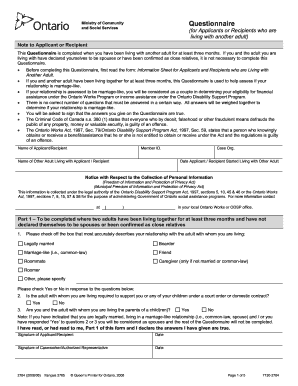
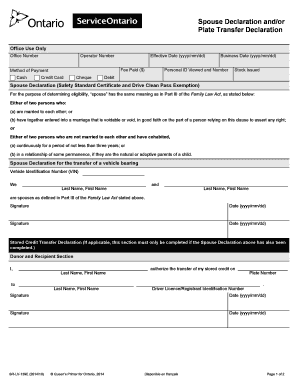
Living Trust Property Record - Michigan Preview on Page 1

Here's how it works

01. Edit your form online
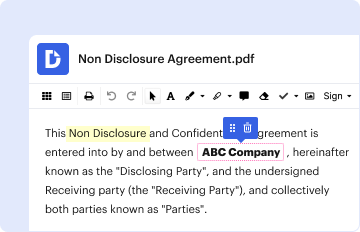
Type text, add images, blackout confidential details, add comments, highlights and more.
02. Sign it in a few clicks
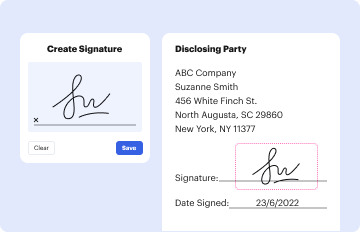
Draw your signature, type it, upload its image, or use your mobile device as a signature pad.
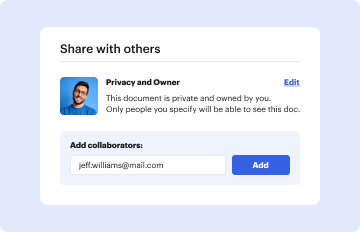
03. Share your form with others
Send it via email, link, or fax. You can also download it, export it or print it out.

How to use or fill out Living Trust Property Record - Michigan with our platform

Form edit decoration
9.5
Ease of Setup
DocHub User Ratings on G2
9.0
Ease of Use
DocHub User Ratings on G2
  1. Click ‘Get Form’ to open the Living Trust Property Record in the editor.
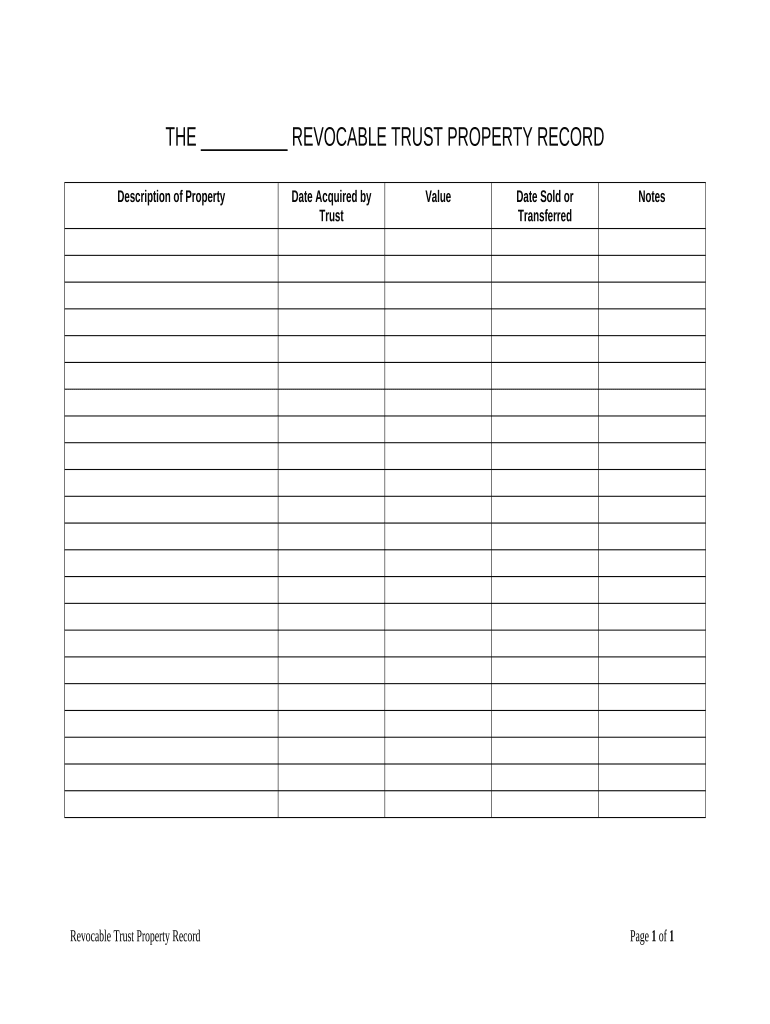
  2. Begin by entering the name of the trust in the designated field at the top of the form. This identifies which trust is being recorded.
  3. In the 'Description of Property' section, provide a detailed description of each property held in the trust. Be specific to ensure clarity.
  4. Fill in the 'Date Acquired by Trust' field with the date when each property was transferred into the trust. This is crucial for record-keeping.
  5. Next, indicate the 'Value' of each property at the time it was acquired. This helps in assessing overall trust value.
  6. If applicable, enter any 'Date Sold or Transferred' for properties that have been sold or moved out of the trust.
  7. Use the 'Notes' section for any additional information or comments regarding each property, ensuring all relevant details are captured.

Start using our platform today to easily complete your Living Trust Property Record online for free!

be ready to get more

Complete this form in 5 minutes or less

Get form

Got questions?

We have answers to the most popular questions from our customers. If you can't find an answer to your question, please contact us.
Contact us
How Long Can a Trust Fund Last? When you set up a trust fund, its supposed to last until its purpose is served. If it lasts for 21 years or longer, this can complicate matters. There could be a big tax bill and some paperwork to take care of because these funds are not meant to be maintained forever.
How long do trusts last? Trusts can be established for a fixed period, known as a fixed-term trust, or can be ongoing with no predetermined end date, though this is capped at a maximum of 125 years for trusts created after 5 April 2010.
Unlike a will, a trust remains a private document during your lifetime. A revocable trust allows you to retain control over your assets even after you are no longer able to manage them personally. This provides greater flexibility and privacy compared to a will, which becomes a public record upon your death.
Revenue Ruling 2023-2, issued in March 2023, made a major change to how assets in irrevocable trusts are treated. The rule states those assets in an irrevocable trust that are not included in the grantors taxable estate cannot receive a step-up in basis.
Generally, trusts are administered outside of Probate Court. However, situations may arise that require Court involvement. For example, a trust may need to be modified, or a trustee may need to be removed. In those situations, an interested party may file a petition in the Probate Court.

Security and compliance

At DocHub, your data security is our priority. We follow HIPAA, SOC2, GDPR, and other standards, so you can work on your documents with confidence.

Learn more
ccpa2
pci-dss
gdpr-compliance
hipaa
soc-compliance

People also ask

Death within 7 years of making a transfer If you die within 7 years of making a transfer into a trust your estate will have to pay Inheritance Tax at the full amount of 40%. This is instead of the reduced amount of 20% which is payable when the payment is made during your lifetime.
The trust is the legal owner. The trustee holds the title and manages it, but always for the benefit of the beneficiaries. The trustor decides the terms, and beneficiaries enjoy the property or its benefits according to those terms.

Related links