Montana Healthcare Power of Attorney - Montana 2026

Get Form
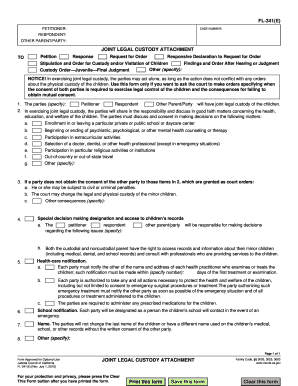
Montana Healthcare Power of Attorney - Montana Preview on Page 1

Here's how it works

01. Edit your form online
Type text, add images, blackout confidential details, add comments, highlights and more.
02. Sign it in a few clicks
Draw your signature, type it, upload its image, or use your mobile device as a signature pad.
03. Share your form with others
Send it via email, link, or fax. You can also download it, export it or print it out.

How to use or fill out Montana Healthcare Power of Attorney - Montana with our platform

Form edit decoration
9.5
Ease of Setup
DocHub User Ratings on G2
9.0
Ease of Use
DocHub User Ratings on G2
  1. Click ‘Get Form’ to open the Montana Healthcare Power of Attorney in the editor.
  2. Begin by filling in your name and address at the top of the form. This identifies you as the principal granting authority.
  3. Next, designate your attorney-in-fact by entering their name and address. This person will make healthcare decisions on your behalf if you are unable to do so.
  4. Review and complete sections that grant your attorney-in-fact specific powers regarding medical treatment, ensuring they have full authority to act in your best interest.
  5. If applicable, list any successor agents who can step in if your primary agent is unable to serve.
  6. Provide any special instructions that limit or extend the powers granted to your agent in the designated section.
  7. Finally, sign and date the document. Ensure it is notarized according to Montana state requirements for validity.

Start using our platform today for free to easily complete your Montana Healthcare Power of Attorney!

be ready to get more

Complete this form in 5 minutes or less

Get form

Got questions?

We have answers to the most popular questions from our customers. If you can't find an answer to your question, please contact us.
Contact us
The Cons of a Healthcare Power of Attorney Develop a new health condition that changes which types of treatment you want or need to receive. Have a falling out with the person to whom you designated power of attorney or otherwise decide that you no longer want them to have that power.
Key Takeaways. A health care proxy appoints someone to make health care decisions on your behalf if you are unable to do so. A power of attorney appoints someone to handle your financial matters and make decisions on your behalf if you are unable to do so.
When someone makes you the agent in their power of attorney, you cannot: Write a will for them, nor can you edit their current will. Take money directly from their bank accounts. Make decisions after the person you are representing dies. Give away your role as agent in the power of attorney.
The role of a patient representative includes: Reviewing and staying informed about your loved ones medical information. Consulting with the healthcare team and asking questions about your loved ones status and treatment. Consenting to and declining medical tests and treatments on their behalf.
The Bottom Line. A healthcare proxy makes decisions related to healthcare on your behalf and can only act if you are medically or legally incapacitated. A power of attorney makes legal and financial decisions on your behalf and acts based on the scope of authority and under the conditions you have given them.

Security and compliance

At DocHub, your data security is our priority. We follow HIPAA, SOC2, GDPR, and other standards, so you can work on your documents with confidence.

Learn more
ccpa2
pci-dss
gdpr-compliance
hipaa
soc-compliance

People also ask

The Key Differences between a POA and a PR: Purpose: A Power of Attorney is often used for incapacity planning or to facilitate decision making during the individuals lifetime, while a PR is appointed to handle the affairs of a deceased individuals estate after their death.
Notarization Requirement While Montana does not technically require you to get your POA notarized, notarization is strongly recommended. Under Montana law, when you sign your POA in the presence of a notary public, your signature is presumed to be genuinemeaning your POA is more ironclad.
No, a doctor cannot override a medical power of attorney. Your doctor is obligated to follow the direction of the person you designate as having medical power of attorney over you.

Related links