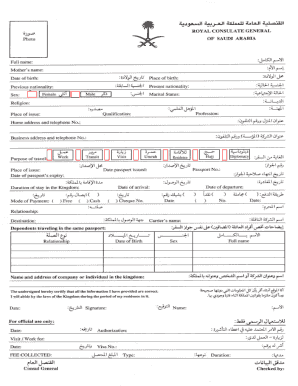
Power attorney child 2026

Get Form
power attorney child Preview on Page 1

Here's how it works

01. Edit your form online
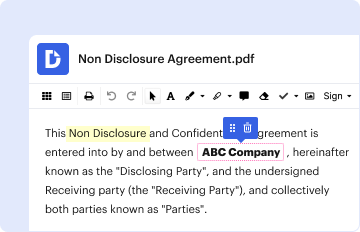
Type text, add images, blackout confidential details, add comments, highlights and more.
02. Sign it in a few clicks
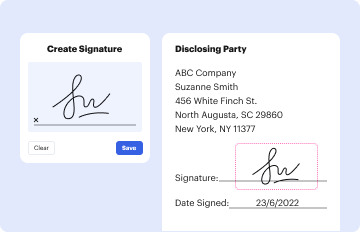
Draw your signature, type it, upload its image, or use your mobile device as a signature pad.
03. Share your form with others
Send it via email, link, or fax. You can also download it, export it or print it out.

How to use or fill out power attorney child with our platform

Form edit decoration
9.5
Ease of Setup
DocHub User Ratings on G2
9.0
Ease of Use
DocHub User Ratings on G2
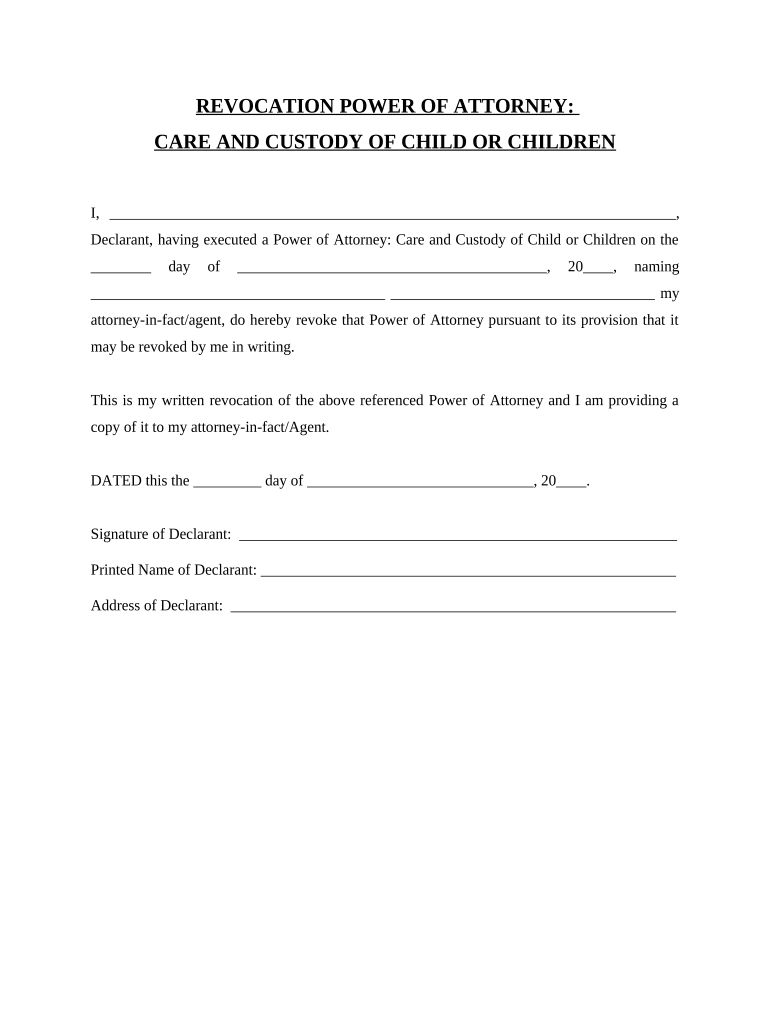
  1. Click ‘Get Form’ to open the Power of Attorney: Care and Custody of Child or Children in the editor.
  2. Begin by filling in your name as the Declarant at the top of the form. This identifies you as the individual revoking the previous Power of Attorney.
  3. Next, indicate the date on which you executed the original Power of Attorney. This is crucial for legal clarity.
  4. In the designated space, write down the name of your attorney-in-fact or agent whom you previously appointed. This identifies who is affected by this revocation.
  5. Complete the date section at the bottom where you are signing this revocation, ensuring it reflects when you are officially revoking authority.
  6. Finally, sign and print your name in the provided fields to validate your revocation. Ensure that your address is also included for identification purposes.

Start using our platform today to easily manage and complete your Power of Attorney forms online for free!

be ready to get more

Complete this form in 5 minutes or less

Get form

Got questions?

We have answers to the most popular questions from our customers. If you can't find an answer to your question, please contact us.
Contact us
Guardianship: Often necessary when someone is severely incapacitated and cannot make even basic decisions for themselves. Power of Attorney: Suitable when someone wants to plan ahead and designate someone to manage their affairs if they become incapacitated, but still retain control while they have capacity.
It should be used only when there are no suitable less restrictive options. Alternatives to guardianship can include: Supported decision-making. Delegating health care decision-making to a person chosen by the individual in advance (advance directives);
Common questions about overriding power of attorney As with a spouse, family members cannot override the agent named in a power of attorney.
Power of Attorney allows individuals to choose their representative, whereas guardianship grants broader authority to the legal guardian, which is crucial when the individual cannot manage their own affairs. Understanding these differences helps in making informed choices about the best option for your needs.
An Indiana minor (child) power of attorney is a document that temporarily entrusts an agent with the care and custody of a minor. Parents often use this POA when absent for an extended period and unable to attend medical appointments, provide transportation, or handle other daily parental duties.

Security and compliance

At DocHub, your data security is our priority. We follow HIPAA, SOC2, GDPR, and other standards, so you can work on your documents with confidence.

Learn more
ccpa2
pci-dss
gdpr-compliance
hipaa
soc-compliance
be ready to get more

Complete this form in 5 minutes or less

Get form

People also ask

Guardianship, on the other hand, can only be obtained after a person has become incapacitated, and the court will be the one to decide who will have the decision-making power. A durable POA established ahead of time can preclude the need for a guardianship.
The Cons to Guardianship: Loss of Freedoms: Your loved one loses the ability to make decisions for themself. Stigma of Incapability: Potential societal devaluation of your loved one. Non-Transferable: Risks if the guardian passes away. Difficult to Overturn: Once done, its a challenge to reverse.
A power of attorney (POA) for a child allows parents and legal guardians to give another adult the temporary legal authority to make decisions about their minor childs care.

Related links