



Understanding the Vehicle Loaner Agreement
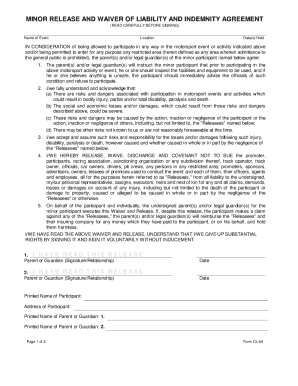
The vehicle loaner agreement PDF is a crucial document that outlines the terms and conditions under which a customer can use a loaner vehicle from a dealership or service center. This agreement protects both the customer and the dealership, ensuring all parties understand their responsibilities.
Key Components of a Loaner Vehicle Agreement
A comprehensive vehicle loaner agreement typically includes several essential components:
-
Identification of Parties: Clearly states the dealership or service center providing the loaner vehicle and the customer who is borrowing it. This helps establish accountability and contact points.
-
Vehicle Details: Lists the make, model, and Vehicle Identification Number (VIN) of the loaner vehicle, which prevents confusion and ensures the correct vehicle is referenced throughout the agreement.
-
Insurance and Licensing: Outlines the requirement for the borrower to possess a valid driver's license and insurance coverage. It is essential to specify the minimum insurance requirements and how liability will be managed in case of an accident.
-
Usage Restrictions: Describes how the customer is allowed to use the loaner vehicle. Common restrictions may include limitations on geographic boundaries, prohibitions against using the vehicle for ridesharing, or driving under the influence.
-
Responsibilities and Liabilities: Details the customer's responsibility to care for the vehicle and outlines the liability for damages incurred during the loan period. This section may also discuss who will be responsible for repairs or maintenance needed during this time.
Conditions for Usage of the Loaner Vehicle
The agreement will specify various conditions that the borrower must adhere to while using the loaner vehicle, such as:
-
Mileage Limits: Some agreements may impose a mileage cap to prevent excessive wear or tear on the vehicle.
-
Return Conditions: Details regarding the condition in which the vehicle must be returned, including cleanliness and fuel level requirements.
-
Penalty for Non-compliance: Specifies potential penalties for violations, such as fees for excessive mileage or damage to the vehicle beyond normal wear and tear.
Dispute Resolution
To mitigate conflicts, an effective vehicle loaner agreement should include provisions for resolving disputes, which may involve:
-
Mediation/Arbitration: Suggesting forms of alternative dispute resolution instead of going to court.
-
Governing Law: Indicating which state laws govern the agreement, which is particularly relevant for legal enforcement and jurisdiction issues.
Importance of the Loaner Vehicle Agreement Template
Utilizing a standardized loaner vehicle agreement template can streamline the process for dealerships and service centers. Benefits include:
-
Consistency in Documentation: Ensures all loans are managed uniformly, reducing misunderstanding between parties.
-
Legal Protection: Standardized agreements can help safeguard against liability and legal disputes by providing clear terms.
-
Ease of Use: Templates can be customized easily, allowing for quick adaptations to meet specific dealership needs while maintaining essential legal protections.
Examples of Loaner Vehicle Agreements
Real-world examples of vehicle loaner agreements can be valuable for dealerships when designing their own templates. Consider the following scenarios:
-
A dealership loans a vehicle to a customer while their car is being serviced. The agreement states that the customer is responsible for all damages incurred during the loan period, reinforcing accountability.
-
A service center provides a courtesy vehicle with a clear mileage limit, ensuring that all customers understand the boundaries for usage and collection.
This information establishes a practical understanding of the vehicle loaner agreement PDF, ensuring that all parties involved know their rights, responsibilities, and the importance of having a well-drafted contract in place.