

Petitioner's Affidavit in Support of Motion for Order of Default - Oregon 2026

Get Form
Petitioner's Affidavit in Support of Motion for Order of Default - Oregon Preview on Page 1

Here's how it works

01. Edit your form online
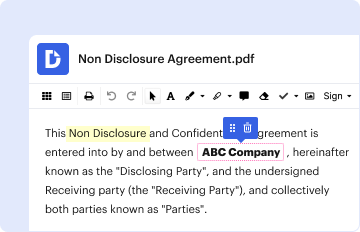
Type text, add images, blackout confidential details, add comments, highlights and more.
02. Sign it in a few clicks
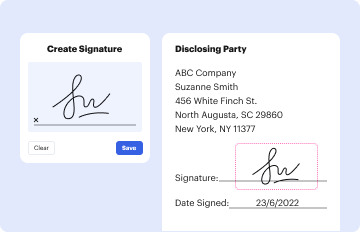
Draw your signature, type it, upload its image, or use your mobile device as a signature pad.
03. Share your form with others
Send it via email, link, or fax. You can also download it, export it or print it out.

How to use or fill out Petitioner’s Affidavit in Support of Motion for Order of Default - Oregon

Form edit decoration
9.5
Ease of Setup
DocHub User Ratings on G2
9.0
Ease of Use
DocHub User Ratings on G2
  1. Click ‘Get Form’ to open it in the editor.
  2. Begin by filling in the case number and the county where you are filing. This information is crucial for proper identification of your case.
  3. In the section labeled 'I, _________, being first duly sworn, say:', enter your name as the petitioner.
  4. Indicate whether the respondent is in active military service by checking the appropriate box. If they are, ensure you attach an affidavit labeled as Exhibit 1.
  5. Sign and print your name at the bottom of the form, along with your address and telephone number to provide contact information.
  6. Complete the notary section by having a notary public or court clerk witness your signature and fill in their details.
  7. Finally, complete the Certificate of Document Preparation by checking all applicable boxes regarding how you prepared this document.

Start using our platform today to easily fill out and manage your legal documents for free!

be ready to get more

Complete this form in 5 minutes or less

Get form

Got questions?

We have answers to the most popular questions from our customers. If you can't find an answer to your question, please contact us.
Contact us
What is this Application and Affidavit for Entry of Default. This form is a legal document used in civil court proceedings to request a default judgment against a defendant who has failed to respond to a lawsuit.
Because affidavits are made under penalty of perjury, lying in an affidavit is a serious crime, which gives these documents docHub legal weight in court proceedings.
The Request for Default sets forth the request for the court clerk to enter the default of the party who has not answered the complaint or otherwise defended the action within the time required by the rules or as extended by court order. The Supporting Affidavit sets forth the basis for the entry of default.
2) The Affidavit is a sworn statement made under oath. This form is where you tell the Judge all of the important and relevant facts in support of your Motion. An Affidavit is a form of evidence that the Court can consider when making decisions, just like live testimony in Court and exhibits.
Also known as a motion for default, having a default judgment placed against you is a method used to expedite cases where you do not show up in court. If you are looking to get out of the default judgment, then you will need to file a motion to vacate or set aside judgment.

Security and compliance

At DocHub, your data security is our priority. We follow HIPAA, SOC2, GDPR, and other standards, so you can work on your documents with confidence.

Learn more
ccpa2
pci-dss
gdpr-compliance
hipaa
soc-compliance

People also ask

In a default judgment hearing, the judge may consider several types of evidence: documents, photographs, sworn statements, testimonies, and more. For example, if the claim involves debt that hasnt been paid, the plaintiff may present the original contract, a ledger of payments, or a record of payment requests.
An affidavit is a sworn statement put in writing. When you use an affidavit, youre claiming that the information within the document is true and correct to the best of your knowledge.
What happens when you get a default judgment against you. After a default judgment, the Plaintiff will try to collect the money you owe. The Plaintiff may be able to take money from your paycheck or bank account and put a lien on your property. If you dont have any assets to pay the debt, you can let the Plaintiff.

Related links