Warning of Default on Commercial Lease - South Carolina 2026

Get Form
commercial lease default Preview on Page 1

Here's how it works

01. Edit your commercial lease default online
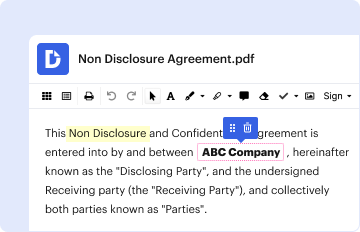
Type text, add images, blackout confidential details, add comments, highlights and more.
02. Sign it in a few clicks
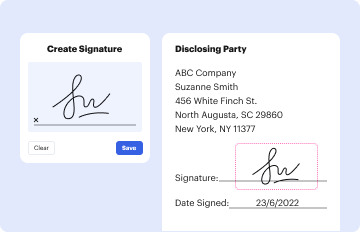
Draw your signature, type it, upload its image, or use your mobile device as a signature pad.
03. Share your form with others
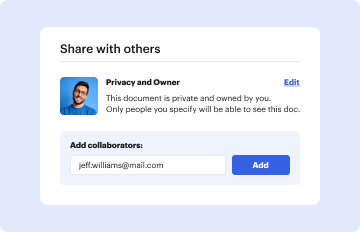
Send commercial lease default notice via email, link, or fax. You can also download it, export it or print it out.

How to use or fill out Warning of Default on Commercial Lease - South Carolina with our platform

Form edit decoration
9.5
Ease of Setup
DocHub User Ratings on G2
9.0
Ease of Use
DocHub User Ratings on G2
  1. Click ‘Get Form’ to open it in the editor.
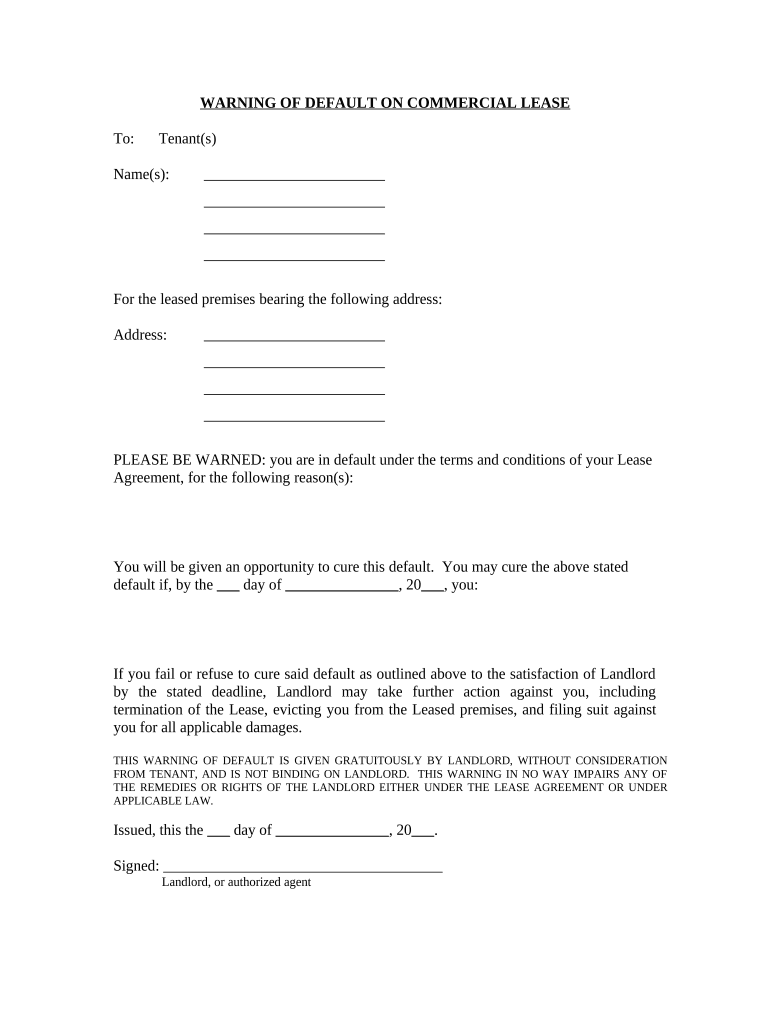
  2. Begin by entering the Tenant(s) name(s) in the designated field. Ensure accuracy as this identifies who is receiving the warning.
  3. Next, input the address of the leased premises. This is crucial for specifying where the default has occurred.
  4. In the section detailing reasons for default, clearly outline the specific issues leading to this warning. Be concise and factual.
  5. Fill in the deadline by which the tenant must cure the default. Use a clear date format to avoid confusion.
  6. Finally, sign and date the document at the bottom. This confirms that you are issuing this warning formally.

Start using our platform today to streamline your document editing and ensure your forms are completed efficiently!

be ready to get more

Complete this form in 5 minutes or less

Get form

Got questions?

We have answers to the most popular questions from our customers. If you can't find an answer to your question, please contact us.
Contact us
How do I evict a commercial tenant? Give notice to the tenant. This may be in the form of an Eviction Notice. Let the tenant respond. File a lawsuit to evict. Serve the tenant with the complaint. Schedule a court hearing. Go to court. Start the eviction.
Commercial leases require an effective default clause that allows the landlord to force a tenant to comply with all lease obligations. The default clause commonly provides the procedure for obtaining an eviction or the threat of an eviction for a commercial tenants violation of the lease.
Legal and Financial Consequences For Tenants Accumulating late fees can lead to financial strain, potential eviction, and legal action for unpaid rent. For Landlords Persistent defaults may result in lost revenue, legal costs, and challenges in re-leasing the property.
Typical events of default include non-payment or late payment of amounts due, breach of certain material representations and warranties or covenants, cross-default, breach of change of control provisions, and insolvency.
If a lease violates public policy, it is void. The lease is null and void if discrimination takes place there. For instance, a commercial lease that specifies that the tenant must not provide services to members of a particular religion or racial minority group is void.
be ready to get more

Complete this form in 5 minutes or less

Get form

People also ask

If the tenant is not paying rent, it is a breach of the commercial lease agreement. That breach entitles the landlord to take appropriate legal action. In many cases, that legal action is an eviction. That eviction has to be done lawfully and ing to the terms of the commercial lease.
Collection of Unpaid Rent Commercial lessors can pursue legal action to recover unpaid rent and associated fees. Eviction Commercial lessors can also initiate eviction proceedings if there is no remedy to the default within the specified timeframe.

south carolina commercial landlord tenant law