




Here's how it works

01. Edit your petition to modify the parent child relationship online
Type text, add images, blackout confidential details, add comments, highlights and more.

02. Sign it in a few clicks
Draw your signature, type it, upload its image, or use your mobile device as a signature pad.

03. Share your form with others
Send texas parent child via email, link, or fax. You can also download it, export it or print it out.
How to Modify Child Custody Using Our Platform

- Click ‘Get Form’ to open the 'Original Petition to Modify the Parent-Child Relationship' in the editor.
- Fill in the Cause Number and Court Information exactly as it appears on your current orders. List the names of all children involved.
- In Section 2, specify which order(s) you wish to modify by providing their titles and dates signed by the court.
- Complete Section 4 by entering each child's name, sex, date of birth, place of birth, and current address.
- In Section 5, provide your personal information as the Petitioner, including your driver’s license or social security number if applicable.
- Indicate any changes requested in Section 7 regarding conservatorship, rights and duties, possession or access (visitation), child support, and medical support.
- Review all sections for accuracy before submitting. Ensure that legal notices are properly addressed as required.
Start modifying your child custody documents today for free with our platform!
Fill out how to modify child custody online
It's free
It's free
See more how to modify child custody versions
We've got more versions of the how to modify child custody form. Select the right how to modify child custody version from the list and start editing it straight away!
Got questions?
We have answers to the most popular questions from our customers. If you can't find an answer to your question, please contact us.
Contact us
Who is most likely to win custody of a child?
No single parent is automatically more likely to get custody; courts decide based on the best interests of the child, focusing on stability, the primary caregivers role (which historically favored mothers but is changing), a parents fitness (no abuse/substance issues), and sometimes the older childs preference, aiming for a healthy, stable environment over gender. While mothers have historically received custody more often, current law mandates equal consideration, though traditional roles and implicit biases can still influence outcomes, making the parent offering the most stability the likely winner. Key factors courts consider: Primary Caregiver: Who handled daily tasks (feeding, school, appointments)? Childs Stability: Who provides a more stable home, consistent schooling, and a healthy environment? Parental Fitness: Absence of domestic violence, substance abuse, or a history with child protective services. Childs Preference: Considered for older, mature children (often 12+), but not the sole factor. Parental Conduct: Courts view negatively parents who disparage the other parent (parental alienation). Shifting trends: Equal Rights: Modern law emphasizes that both parents have equal rights to custody, moving away from automatic maternal preference. Evolving Roles: With more balanced parenting, the traditional assumption of maternal advantage is diminishing. Who wins? The parent who best demonstrates they can provide the most stable, nurturing, and safe environment for the child, based on these factors, is more likely to gain custody, regardless of gender. AI can make mistakes, so double-check responsesWhich Gender Is More Likely to Win Child Custody?Apr 9, 2025 When couples separate, one of the most sensitive and pressing issues that arises is the question of child custody. The Mullett Dove Bradley Family LawChild Custody and Support - American Bar AssociationSep 9, 2019 Are mothers or fathers more likely to be awarded custody? Until the mid-1800s, fathers were favored for custody in the American Bar Association
How much does a lawyer charge for child support modification?
Lawyer fees for child support modification vary widely, typically ranging from $100 to $500+ per hour, with total costs potentially from $1,500 for simpler cases to over $5,000 or even $25,000 for complex, contested battles, depending on hourly rates, case complexity, ongoing conflict, and retainer fees (often $3,500+). Factors like attorney experience, whether the modification is agreed upon (uncontested) or fought (contested), and the depth of disputes DocHubly impact the final bill. Fee Structures Hourly Rates: Most common, from around $100 to $500+ per hour. Retainers: An upfront deposit is usually required, often $3,500 or more for contested cases, from which the lawyer bills their hourly fees. Flat Fees/Unbundled Services: Some lawyers offer flat fees for specific tasks or limited representation, but this is less common. Factors Influencing Cost Complexity: Cases requiring extensive discovery or trials are far more expensive. Contested vs. Uncontested: Uncontested modifications (agreement between parents) cost much less than contested ones. Ongoing Conflict: High conflict, bad-faith disputes, or lengthy legal battles increase costs. Attorney Experience: More experienced family law attorneys command higher rates. Court Fees Expenses: Filing fees (around $175 for filing and service) and other costs are separate. Cost Estimates Simple Cases: $1,500 - $5,000. Contested Cases: $5,000 - $25,000+. Next Steps Consultations: Many firms offer free brief consultations to assess your case and explain fees. Shop Around: Contact several family law attorneys in your area to compare fee structures and get estimates. AI can make mistakes, so double-check responsesChild Support Reductions for Fathers in South Carolina | SCCFFcosts? If you meet the change in circumstances requirement, you should determine if you have enough money to get legal papers procSouth Carolina Center for Fathers and FamiliesHave 2 11 yo kids was divorced in 2014. Need to modify child support Feb 18, 2019 A ballpark estimate of attorney fees for Child Support Modification is any where from $1,500 to $4,000+ depending on wAvvo
How long does it take to change custody of a child?
Changing child custody can take anywhere from a few weeks to over a year, depending heavily on whether parents agree or contest the changes; agreed-upon modifications are fast (days/weeks), while contested cases involve lengthy processes with hearings, discovery, and potential trials that can last many months or even years, especially with high conflict or complex issues like GAL investigations. Quick Agreed Cases (Weeks to a Few Months) Mutual Agreement: If both parents agree on the changes, a judge can sign an agreed order quickly, potentially finalizing it within days or weeks. Mediation: If you use mediation and DocHub a consensus, its generally faster, with temporary orders often following within weeks. Contested Cases (Several Months to Over a Year) Filing Initial Orders: After filing, temporary orders might be set within weeks, but these only last until a final trial. Discovery Investigations: The court needs time for discovery (gathering evidence) and might appoint a Guardian ad Litem (GAL) or expert to investigate, DocHubly extending the timeline. Court Calendars: Busy court dockets mean scheduling hearings and trials can take months. Trials: If no agreement is DocHubed, a trial can take several days or months, often broken up over time. Factors That Lengthen the Process High Conflict: More disagreements mean more court involvement. Psychological Evaluations: Court-ordered expert assessments add DocHub time. Complex Issues: Allegations of abuse or concerns about a parents ability to provide a safe environment require thorough investigation. State Laws: Specific rules, like waiting periods after an original order (e.g., 2 years in Illinois unless danger exists), can affect timelines. Key Takeaway: The best way to speed up the process is for both parents to cooperate, but if conflict arises, be prepared for a lengthy court battle focused on proving the changes are in the childs best interest. AI can make mistakes, so double-check responsesChanging a Custody, Visitation, or Child Support Order | Texas Law HelpNov 4, 2025 Maybe. The Texas Attorney General Child Support Division will get involved in some child support cases. You can get morTexas Law HelpHow long does it take to modify child custody court orders? - Avvo.comMay 26, 2011 After you file, you can seek temporary orders and that hearing can happen (normally) within two weeks of filing. ThoseAvvo.com
What is the biggest mistake in custody battle?
The biggest mistake in a custody battle is losing focus on the childs best interests by letting anger, revenge, or adult conflict drive decisions, which courts view very negatively, damaging your credibility and case by showing an inability to co-parent. Other major errors include misusing children as weapons, badmouthing the other parent, failing to follow court orders, engaging in inappropriate communication (especially online), and creating instability for the child. Key Mistakes to Avoid: Prioritizing Conflict Over the Child: Letting your own hurt feelings or desire to win overshadow whats truly best for the child. Using Kids as Pawns: Involving children in adult disputes, making them choose sides, or asking them to provide emotional support (parentification). Badmouthing the Other Parent: Trash-talking your ex in front of the child or in court signals to the judge an inability to cooperate. Poor Communication: Inappropriate texts, emails, or social media posts can be used as evidence against you; always be friendly, factual, and firm. Being Inflexible: Refusing to communicate or collaborate on decisions about the childs health, education, or activities. Ignoring Court Orders: Failing to pay support or follow existing orders shows disrespect for the legal process and the childs stability. Creating Instability: Unnecessarily disrupting the childs routines, school, or support network. Disengaging as a Parent: Showing a lack of commitment to the childs daily life, school, or medical care. What Courts Look For: Cooperation: The ability to work with the other parent for the childs benefit. Stability: A consistent and secure environment for the child. Support for Both Parents: Willingness to encourage the childs relationship with the other parent (unless safety is a concern). Emotional Maturity: Taking the high road and avoiding emotionally driven decisions. AI can make mistakes, so double-check responsesWhat Is the Biggest Mistake in Custody Battle? - Inman TourgeeJan 1, 2026 The biggest mistake in a custody battle is losing sight of your childs best interests. When parents let anger or hurt Inman Tourgee Attorneys At LawWhat Is the Biggest Mistake in a Custody BattleFeb 2, 2026 its a huge mistake. And when the court gets wind that youre doing that thats the moment you start to lose your caseYouTube ChooseGoldman - Goldman Associates Law Firm
What is the 70 30 rule in parenting?
70/30 parenting refers to a child custody arrangement where one parent has the child for about 70% of the time, while the other parent has them for 30%, creating a primary home base for the child but allowing the non-primary parent DocHub, consistent time with the child, often through every-other-weekends or a 5-2/2-5 split, suitable for families with long distances or conflicting work schedules. Common structures include the child spending two weeks with Parent A and one week with Parent B (every third week) or one parent having weekdays and the other weekends. This model provides stability for kids but requires active engagement from the non-primary parent to maintain their bond, often using apps or extra visitation during holidays to supplement time. Common 70/30 Schedule Examples Every Third Week: Child with Parent A for two weeks, then Parent B for one week. Week-on/Weekends-off: Child with Parent A (e.g., weekdays) and Parent B (e.g., Friday evening to Monday morning) on alternate weekends. 5-2 Schedule: Child stays with one parent for five days and the other for two days. When its Used Distance: Parents live far apart, making frequent exchanges difficult. Work Schedules: One parent has demanding hours, frequent travel, or irregular shifts. Childs Needs: A stable, consistent home base is beneficial for the child. Agreement: Both parents agree it serves the childs best interest. Key Considerations Communication: Essential for coordinating holidays, breaks, and daily life. Flexibility: Parents often add extra time during holidays or summer to make the split feel more balanced. Tools: Apps like Custody X Change or OurFamilyWizard can help manage and track the schedule. AI can make mistakes, so double-check responses70/30 Custody Visitation Schedules: 5 ExamplesCustody X Change70/30 Custody Schedules: Examples, Factors, and Expert TipsOct 5, 2023 Key Takeaways * A 70/30 custody schedule is a physical custody arrangement where one parent has the child for 70% of tellebarr.com
Security and compliance
At DocHub, your data security is our priority. We follow HIPAA, SOC2, GDPR, and other standards, so you can work on your documents with confidence.
Learn more


Related forms

Form 1099-NEC (2020).pdf - Attention: Copy A of this form is provided ...
The document provides instructions regarding Form 1099-G, which is used to report certain government payments such as un ...

About Form 8804, Annual Return for Partnership WithholdingAbout Form 8804, Annual Return for Partnership WithholdingFederal Form 8804 (Annual Return for PartnershipFederal Form 8804 (Annual Return for Partnership
About Form 8804, Annual Return for Partnership WithholdingAbout Form 8804, Annual Return for Partnership WithholdingFederal Form 8804 (Annual Return for PartnershipFederal Form 8804 (Annual Return for Partnership
Form 8804 is the Annual Return for Partnership Withholding Tax under Section 1446, used by partnerships to report tax li ...

Miami lakes contractor registration
The document outlines the requirements for contractors to register in order to apply for permits in Miami Lakes, Florida ...

Alarm Permit Application - Fremont Police Department
The document is an application form for obtaining a new alarm permit from the Fremont Police Department, requiring a $40 ...
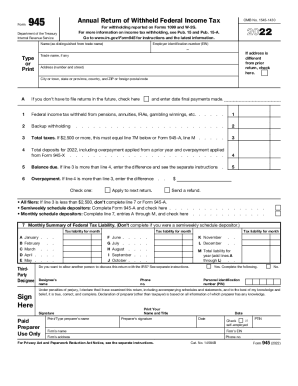
2022 Form 945. Annual Return of Withheld Federal Income Tax
The document is Form 945, an annual return for withheld federal income tax by the IRS, specifically for reporting withho ...
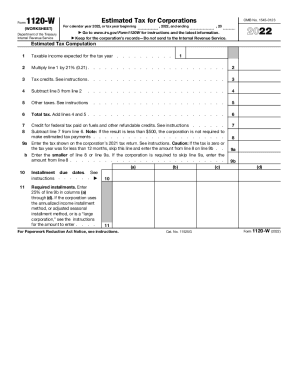
2022 Form 1120-W (Worksheet). Estimated Tax for Corporations
The document is the Form 1120-W Worksheet from the Internal Revenue Service, used by corporations to calculate their est ...

4569 - Crime Inquiry and Inspection Report/Authorization To Tow
The document is a form from the Missouri Department of Revenue for law enforcement to authorize towing of vehicles. It i ...
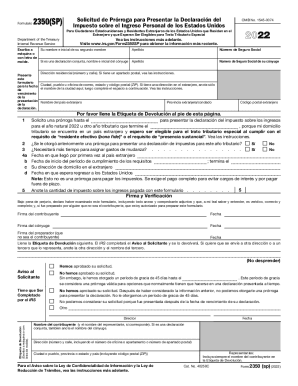
2022 Form 2350(SP). Application for Extension of Time to File U.S. Income Tax Return (Spanish Version)
2022 Form 2350(SP). Application for Extension of Time to File U.S. Income Tax Return (Spanish Version)
El Formulario 2350(SP) es una solicitud para prórroga en la presentación de la declaración del Impuesto sobre el Ingreso ...
People also ask
How to build a strong custody case?
This section highlights several key elements that DocHubly influence custody decisions in California, empowering you to build a stronger case. The Childs Health, Safety, and Well-Being. The Parents Caregiving History and Ability to Meet the Childs Needs. The Childs Connection to Their Community. Aug 26, 2025
What is the best evidence for child custody?
The best evidence for child custody focuses on proving your consistent, stable, and active role in a childs life, highlighting your commitment to their well-being, and addressing any safety concerns, using organized logs, official records (medical, school, financial, police), communications (texts, emails), and credible witness testimony from teachers, doctors, or therapists to demonstrate stability and involvement. Types of Strong Evidence Parental Involvement Logs: Detailed records of daily routines, activities, appointments, and outings with your child. Official Records: School reports (grades, attendance), medical/dental records, financial documents (pay stubs, tax returns) showing stability, daycare invoices. Communications: Texts, emails, or messages with the other parent showing attempts at cooperation or concerns about parenting. Witness Testimony: Teachers, coaches, doctors, therapists, neighbors, or family who can attest to your involvement and the childs well-being. Documentation of Safety Concerns: Police reports, photos/videos of concerning situations, or records of substance abuse/domestic violence incidents. Home Environment Proof: Photos/videos of your home, lease/mortgage, utility bills to show a stable living situation. How to Present Evidence Effectively Organization is Key: Use digital calendars, spreadsheets (like Excel), or dedicated apps to log events chronologically, noting dates, times, and details, with cross-references to supporting documents. Focus on the Childs Best Interest: Show how your actions consistently support the childs physical, emotional, and educational needs. Be Factual Objective: Courts value clear, organized, and professional presentation of facts, even when documenting issues with the other parent. Back Up Accusations: If you raise concerns about the other parent (e.g., substance abuse, neglect), have concrete evidence like police reports, medical records, or documented failures to appear. By meticulously documenting your consistent care and stability, and gathering third-party verification, you build the strongest case for custody, demonstrating you can provide a safe, loving, and structured environment. AI can make mistakes, so double-check responsesBest Evidence for Child Custody Cases (And How to Organize)Income information like tax returns and pay stubs to show you are financially stable. Medical records to show your child receives Custody X ChangeMy Secret to Organizing Evidence in Child CustodyAug 14, 2025 you if you like this content and you find it helpful dont forget to hit like on this video. also subscribe to the chaYouTube Divorce University Online


