Warranty Deed from Individual to a Trust - Wisconsin 2026

Get Form
warranty deed wisconsin Preview on Page 1

Here's how it works

01. Edit your warranty deed wisconsin online
Type text, add images, blackout confidential details, add comments, highlights and more.
02. Sign it in a few clicks
Draw your signature, type it, upload its image, or use your mobile device as a signature pad.
03. Share your form with others
Send wisconsin special warranty deed form via email, link, or fax. You can also download it, export it or print it out.

How to use or fill out Warranty Deed from Individual to a Trust - Wisconsin

Form edit decoration
9.5
Ease of Setup
DocHub User Ratings on G2
9.0
Ease of Use
DocHub User Ratings on G2
  1. Click ‘Get Form’ to open it in the editor.
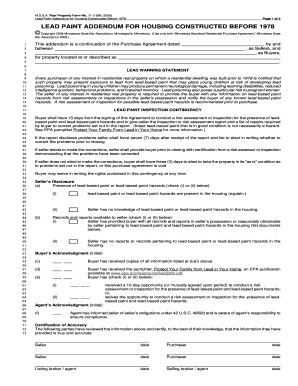
  2. Begin by entering the name of the individual (Grantor) who is transferring the property. Specify their marital status as either married or unmarried.
  3. Next, fill in the name of the Trustee and the trust's name along with its date. This identifies who will receive the property.
  4. Describe the property being transferred. If necessary, attach a detailed description and include the Parcel Identification Number for clarity.
  5. Indicate any prior instrument references, including Book, Page, and Document numbers from county records.
  6. Specify any reservations such as oil, gas, and minerals that are not included in this transfer.
  7. Complete sections regarding taxes and whether the property is part of Grantor's homestead. Ensure both spouses sign if applicable.
  8. Finally, have a Notary Public acknowledge your signatures to finalize the document.

Start using our platform today to easily complete your Warranty Deed for free!

be ready to get more

Complete this form in 5 minutes or less

Get form

Got questions?

We have answers to the most popular questions from our customers. If you can't find an answer to your question, please contact us.
Contact us
A trustee deed offers no such warranties about the title. A special warranty deed guarantees against title problems that occurred during a sellers ownership period, but not before.
A warranty deed ensures a buyer that the property is owned by the seller and can be sold without any encumbrances. A deed of trust is used in certain states and represents a buyers guarantee with their lender to repay the property loan as scheduled.
While it may be possible to put a home in a trust yourself, its advisable to consult an experienced estate planning attorney to help you.
Transferring property typically requires the grantor to file a quitclaim deed. A grantor files a quitclaim deed with their county clerk, which transfers the property to the trust. You may need to file a copy of the trust document, a Memorandum of Trust, or a Certificate of Trust with the quitclaim deed.
If you are creating a trust in Wisconsin, you will need to sign the final trust document in front of a notary. Once you have the trust document complete and signed in front of a notary, you will place assets into the trust, a process known as funding the trust. Once the trust is funded, it is active.

Security and compliance

At DocHub, your data security is our priority. We follow HIPAA, SOC2, GDPR, and other standards, so you can work on your documents with confidence.

Learn more
ccpa2
pci-dss
gdpr-compliance
hipaa
soc-compliance

People also ask

4 Steps to Securely Transfer Real Estate into a Trust | Wisconsin Estate Planning Law Getting the Deed Ready for Transfer. To begin, your attorney will obtain a deed form. Making a Record of the Deed Before Transferring. Paying Taxes on Deed Transfers. Reporting Changes to Real Estate for Insurance Coverage.

Related links