

Waiver and Release From Liability For Minor Child for Church Function 2026

Get Form
Waiver and Release From Liability For Minor Child for Church Function Preview on Page 1

Here's how it works

01. Edit your form online
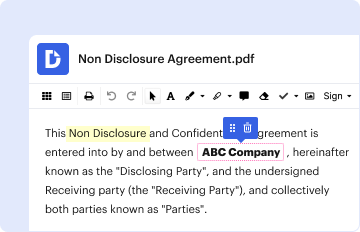
Type text, add images, blackout confidential details, add comments, highlights and more.
02. Sign it in a few clicks
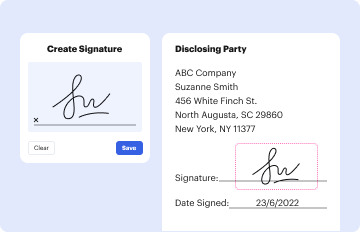
Draw your signature, type it, upload its image, or use your mobile device as a signature pad.
03. Share your form with others
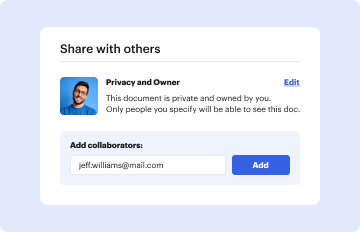
Send it via email, link, or fax. You can also download it, export it or print it out.

How to use or fill out Waiver and Release From Liability For Minor Child for Church Function

Form edit decoration
9.5
Ease of Setup
DocHub User Ratings on G2
9.0
Ease of Use
DocHub User Ratings on G2
  1. Click ‘Get Form’ to open it in the editor.
  2. Begin by entering the name of the minor child in the designated field. This identifies who the waiver applies to.
  3. In the next section, provide your name as the parent or guardian, ensuring you are clearly identified as the signatory.
  4. Review the waiver statement carefully. It outlines your agreement to release liability for activities related to church functions. Make sure you understand all terms before proceeding.
  5. Fill in any known medical conditions or allergies of the child in the specified area. This is crucial for safety during activities.
  6. List any prohibited activities based on medical conditions, ensuring that these limitations are clearly noted.
  7. Finally, sign and date the form at the bottom. Your signature confirms your understanding and acceptance of all terms outlined in the waiver.

Start using our platform today to easily complete and manage your Waiver and Release From Liability form for free!

be ready to get more

Complete this form in 5 minutes or less

Get form

Got questions?

We have answers to the most popular questions from our customers. If you can't find an answer to your question, please contact us.
Contact us
Allowing employees to intimidate or coerce participants or customers into signing your liability waivers. A mistake that many businesses make is pressuring employees to get liability waivers signed.
A waiver is a demonstration, usually in written form, of a partys intent to relinquish a legal right or claim. The key point to note is that the relinquishment is voluntary, and can apply to a variety of legal situations. Essentially, a waiver removes a real or potential liability for the other party in the agreement.
A waiver does not automatically mean you lose your legal rights. Some waivers are not enforceable. Waivers may not excuse all types of negligence. For example, if your state does not recognize broad liability waivers, you may still be able to file a personal injury lawsuit.
A release of liability, also known as a liability waiver or a hold harmless agreement, is a contract in which one party agrees not to hold another party liable for damages or injury. These contracts are common in fields that involve some risk to property, finances, or health.
A liability waiver is a contract that protects your business from claims and lawsuits for damages suffered due to the inherent hazards of your services. Think of it as a warning label with a legal protection feature.

Security and compliance

At DocHub, your data security is our priority. We follow HIPAA, SOC2, GDPR, and other standards, so you can work on your documents with confidence.

Learn more
ccpa2
pci-dss
gdpr-compliance
hipaa
soc-compliance

People also ask

Standard Waiver: the customer is responsible for a limited liability amount in case of damage or loss. As the cost for a daily standard waiver is lower the liability payable for any damage or loss is higher.
Without legal expertise, you may not fully understand the implications of what you are signing. Here is why you should consult with a personal injury attorney before signing a release of liability.

Related links