

Notice of Assignment to Living Trust - Vermont 2026

Get Form
Notice of Assignment to Living Trust - Vermont Preview on Page 1

Here's how it works

01. Edit your form online
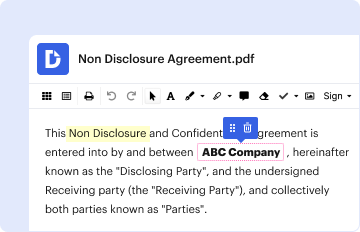
Type text, add images, blackout confidential details, add comments, highlights and more.
02. Sign it in a few clicks
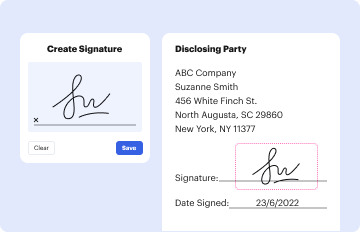
Draw your signature, type it, upload its image, or use your mobile device as a signature pad.
03. Share your form with others
Send it via email, link, or fax. You can also download it, export it or print it out.

How to use or fill out Notice of Assignment to Living Trust - Vermont with our platform

Form edit decoration
9.5
Ease of Setup
DocHub User Ratings on G2
9.0
Ease of Use
DocHub User Ratings on G2
  1. Click ‘Get Form’ to open the Notice of Assignment to Living Trust - Vermont in the editor.
  2. Begin by filling in the name of the Trustor(s) in the first blank space. This identifies who is transferring their rights.
  3. Next, enter the name of the Revocable Trust and its date in the corresponding fields. This specifies which trust is receiving the assignment.
  4. In the property description section, detail all rights, titles, and interests being transferred. Be as specific as possible to avoid any ambiguity.
  5. Date the document by entering the day and month in the designated fields before signing.
  6. Have each Trustor sign where indicated and print their names below their signatures for clarity.
  7. Complete the notary section by having a notary public witness your signatures and fill out their information accordingly.

Start using our platform today for free to streamline your document editing and signing process!

be ready to get more

Complete this form in 5 minutes or less

Get form

Got questions?

We have answers to the most popular questions from our customers. If you can't find an answer to your question, please contact us.
Contact us
Understanding Vermonts Unique Estate Planning Tool: The Enhanced Life Estate Deed. Enhanced Life Estate Deeds, commonly known as Lady Bird Deeds, are a specific form of property deed used in some states, including Vermont. They offer a unique way to manage real estate property during and after the owners lifetime.
Benefits of Using a Revocable Trust Avoids Probate: When a home is placed in a trust, it can pass directly to your heirs without going through the probate process, which can be lengthy and public. Maintains Control: With a revocable trust, you still own and control the property during your lifetime.
Should you put your home in a trust? Absolutely. Putting your home in a trust can save you a lot of time and money. Typically, there are two reasons people put their home in a trust. The first is for the tax benefits. The second reason is to avoid probate.
To make a living trust in Vermont, you: Choose whether to make an individual or shared trust. Decide what property to include in the trust. Choose a successor trustee. Decide who will be the trusts beneficiariesthat is, who will get the trust property. Create the trust document.
The key disadvantages of placing a house in a trust include the following: Extra paperwork: Moving property in a trust requires the house owner to transfer the assets legal title. This involves preparing and signing an additional deed, and some people may consider this cumbersome.

Security and compliance

At DocHub, your data security is our priority. We follow HIPAA, SOC2, GDPR, and other standards, so you can work on your documents with confidence.

Learn more
ccpa2
pci-dss
gdpr-compliance
hipaa
soc-compliance