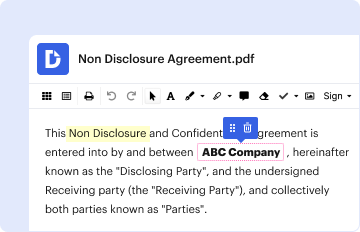
Type text, add images, blackout confidential details, add comments, highlights and more.
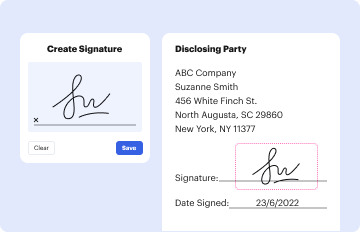
02. Sign it in a few clicks
Draw your signature, type it, upload its image, or use your mobile device as a signature pad.
03. Share your form with others
Send it via email, link, or fax. You can also download it, export it or print it out.
How to use or fill out Commercial Building or Space Lease - Vermont with our platform
Ease of Setup
DocHub User Ratings on G2
Ease of Use
DocHub User Ratings on G2
Click ‘Get Form’ to open the Commercial Building or Space Lease - Vermont in the editor.
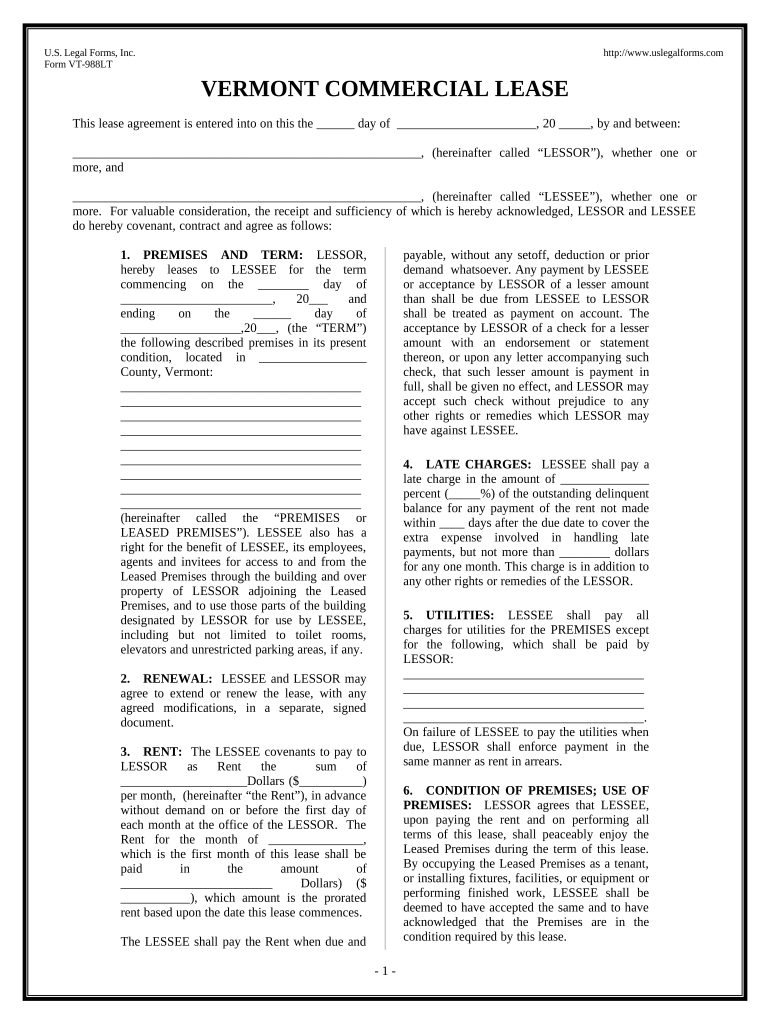
Begin by filling in the date of the agreement at the top of the form. This is crucial as it marks the official start of your lease.
In the 'Lessor' and 'Lessee' sections, enter the names of both parties involved in the lease. Ensure accuracy to avoid any legal issues.
Specify the premises being leased, including its location and any specific details about the property. This section defines what is included in your lease.
Fill out the term of the lease, indicating both start and end dates. This establishes how long you will be leasing the property.
Complete sections regarding rent payment details, including amounts and due dates. Be clear on late charges and utility responsibilities to prevent misunderstandings.
Review all terms related to maintenance, repairs, and conditions of use for clarity on responsibilities during your lease period.
Finally, ensure all parties sign and date at the bottom of the document to validate this agreement legally.
Start using our platform today for free to streamline your lease process!
Fill out Commercial Building or Space Lease - Vermont online It's free
Net Leases. The most common commercial leases are net leases, which come in three main types, as outlined below. A net lease means that you, as a commercial tenant, pay all or some of the costs associated with the commercial premises in addition to your rent.
What do you need to lease a commercial space?
The landlord of a commercial space for rent may require the following: Security deposit (e.g., one months rent or more) Financial statements. Profit and loss statements. Balance sheet. Business bank statements. Previous landlord information. Credit reports. Business tax returns.
Is it better to lease or buy a commercial building?
A business lease can be much more affordable up front, providing your business with more liquidity. Buying commercial property can potentially require you to pay six times more in up-front costs than you would if you leased the same property.
What are the best commercial tenants to have?
The Best Types of Tenants for Commercial Properties Automotive centers, gas stations, and even restaurants are often selected because they are closest to their customers. So if you have a flat tire, for example, youre going to the nearest mechanic rather than the cheapest or a local favorite.
What is the best lease type for commercial property?
Triple net leases are one of the most widely used types of commercial real estate leases. In this arrangement, the tenant pays rent, a share of property taxes, a share of insurance, and a fixed fee for common area maintenance and operating expenses.
Related Searches
Commercial real estate South Burlington, VTCommercial Space for rent Middlebury, VTCommercial real estate Winooski, VTCommercial real estate St Albans, VTCommercial Space for rent Springfield VTCommercial space for lease burlington vtCommercial space for rent vermontCommercial real estate Colchester, VT
Security and compliance
At DocHub, your data security is our priority. We follow HIPAA, SOC2, GDPR, and other standards, so you can work on your documents with confidence.
A fixed-term lease is great for landlords and tenants because they both can predict and rely on the fixed rental cost every month.
What is the best commercial lease for a tenant?
Gross leases tend to benefit the tenant, whereas net leases are more landlord friendly. In a gross lease, the tenant has more control over how much is spent on such expenses as janitorial services and utilities.
What kind of commercial tenant is most likely to have a percentage lease?
Understanding Percentage Leases This type of lease agreement is commonly used when retailers or restaurateurs are joining a multi-tenant retail space like a mall, shopping center or mixed-used development. In this arrangement, tenants pay a base rent plus a percentage of their gross sales revenue to the landlord.
Related links
Whitford House Bed and Breakfast | A Addison, Vermont Bed
Three unique accommodations are available with the occasional opportunity to rent the entire house for functions or weddings. According to the propertysRead more
Cookie consent notice
This site uses cookies to enhance site navigation and personalize your experience.
By using this site you agree to our use of cookies as described in our Privacy Notice.
You can modify your selections by visiting our Cookie and Advertising Notice.