




01. Edit your car payment agreement template online
Type text, add images, blackout confidential details, add comments, highlights and more.

Type text, add images, blackout confidential details, add comments, highlights and more.

Draw your signature, type it, upload its image, or use your mobile device as a signature pad.

Send car payment agreement contract via email, link, or fax. You can also download it, export it or print it out.
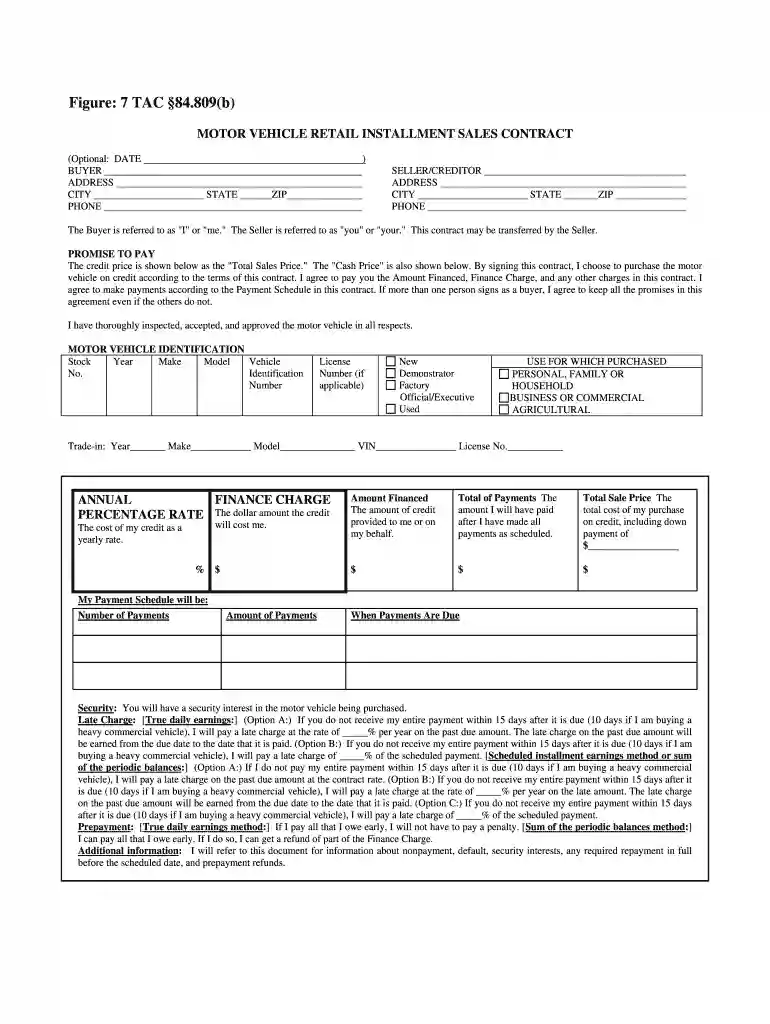
A vehicle installment sale agreement is a legal contract that outlines the terms under which a buyer purchases a motor vehicle on credit. This type of agreement specifies essential elements like buyer and seller information, financing details, payment schedules, and obligations for both parties.
Completing a vehicle installment sale agreement involves a few key steps to ensure all relevant details are captured and legally binding.
Initiate the Agreement: Both the buyer and seller should meet to discuss the terms of the sale. This preliminary discussion often helps clarify expectations and any specific details that need to be included.
Gather Required Information: Both parties should assemble the necessary information, including personal identification, vehicle details, payment information, and any third-party financing details if applicable.
Fill Out the Agreement: Using a template for a vehicle installment sale agreement, fill in all sections. This includes all details mentioned above—identify both parties, describe the vehicle, and outline payment terms and conditions.
Review for Accuracy: Before signing, both parties must review the document thoroughly to ensure all information is correct and that both parties understand their responsibilities.
Sign and Date the Agreement: Once the document is finalized, both parties should sign and date it. Consider having a witness or notary present for added legal protection.
Understanding the legal terminology used in a vehicle installment sale agreement is critical for both buyers and sellers. This ensures that both parties can navigate the agreement's implications and uphold their rights.
Default: This term refers to the failure of the buyer to meet the terms of the contract, such as missing payments. It typically triggers certain rights for the seller, like repossession.
Security Interest: This gives the seller a legal claim to the vehicle until the buyer fully pays the purchase price. It protects the seller’s interests by allowing them to reclaim the vehicle if the buyer defaults.
Prepayment Clause: This outlines whether the buyer can pay off the agreement early without incurring penalties or if any fees will apply. Understanding this clause is essential, especially for those anticipating potential early repayment.
Various scenarios illustrate how vehicle installment sale agreements might be utilized across different contexts.
Private Sale: A common situation would be a private seller trading their vehicle to an individual buyer with a down payment and monthly installments. This agreement could protect both parties by specifying the vehicle's condition, payment structure, and responsibilities.
Dealership Financing: When a buyer purchases a vehicle from a dealership on a financed plan, the dealership provides an installment agreement that includes finance charges, payment schedules, and terms for warranties or service agreements. This scenario showcases how dealerships often incorporate additional terms that may or may not be present in private sales.
Negotiating the terms of a vehicle installment sale agreement ensures that both parties reach a fair and agreeable understanding. Engaging in this process can lead to better outcomes for both the buyer and seller.
Interest Rates: Buyers can negotiate financing terms and interest rates, especially if they have good credit. Understanding the total cost over time, including finance charges, is crucial.
Down Payment: Adjusting the initial down payment can ease the buyer's financial burden or help the seller secure a quicker deal. This section can be flexible based on negotiation outcomes.
Payment Schedule: Parties may negotiate when and how often payments are made (e.g., weekly versus monthly) based on their financial situations, ensuring that the schedule accommodates both parties.
Buyers in vehicle installment sale agreements have specific rights and responsibilities that are critical for maintaining a fair and legal transaction.
Make Timely Payments: The most significant responsibility is to adhere to the agreed payment schedule, potentially avoiding late fees or default.
Maintain Insurance: Buyers are often required to maintain comprehensive coverage on the vehicle, protecting both their interests and those of the seller.
Right to Receive the Vehicle: Upon fulfilling the terms of the agreement, the buyer has the right to take possession of the vehicle without hindrances.
Right to Information: Buyers should receive all relevant information regarding finance charges, total costs, and their rights as stipulated in the agreement. Transparency is crucial for an equitable transaction.
By understanding these elements, parties involved in a vehicle installment sale agreement can navigate the complexities of the transaction with confidence and clarity.
At DocHub, your data security is our priority. We follow HIPAA, SOC2, GDPR, and other standards, so you can work on your documents with confidence.


In exchange for the Vehicle, the Buyer will pay Seller the total purchase price of the. Vehicle on the day of the sale by cashiers check, money order,Read more
1 of the MVSFA provides, in relevant part, that every installment sale contract shail clearly and conspicuously in writing set forth the cash price of the motor.Read more
Jan 16, 2010 Subject to Buyers termination rights, the agreement formed by the Order is binding on the parties for the length of the applicable OriginalRead more


