First plaintiff defendant 2026

Get Form
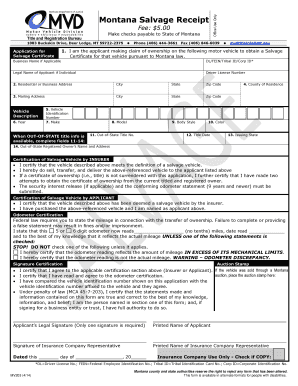
first plaintiff defendant Preview on Page 1

Here's how it works

01. Edit your form online
Type text, add images, blackout confidential details, add comments, highlights and more.
02. Sign it in a few clicks
Draw your signature, type it, upload its image, or use your mobile device as a signature pad.
03. Share your form with others
Send it via email, link, or fax. You can also download it, export it or print it out.

How to use or fill out first plaintiff defendant with our platform

Form edit decoration
9.5
Ease of Setup
DocHub User Ratings on G2
9.0
Ease of Use
DocHub User Ratings on G2
  1. Click ‘Get Form’ to open the first plaintiff defendant document in the editor.
  2. Begin by filling in the court name and county at the top of the form. This establishes the jurisdiction for your case.
  3. In the 'Petitioner/Plaintiff' section, enter your name as the plaintiff. In the 'Respondent/Defendant' section, input the name of the defendant.
  4. For each interrogatory, provide detailed answers as required. For example, when asked about witnesses, list their names, addresses, and phone numbers accurately.
  5. Complete all sections regarding vehicle details and accident descriptions thoroughly to ensure clarity and compliance with legal standards.
  6. Finally, fill out your contact information at the bottom of the form, including your name, title, address, phone number, and email.

Start using our platform today to streamline your document editing and form completion for free!

be ready to get more

Complete this form in 5 minutes or less

Get form

Got questions?

We have answers to the most popular questions from our customers. If you can't find an answer to your question, please contact us.
Contact us
Note: In a trial court case, the first name listed is the plaintiff, the party bringing the suit. The name following the v is the defendant. If the case is appealed, as in this example, the name of the petitioner (appellant) is usually listed first, and the name of the respondent (appellee) is listed second.
The plaintiff, or plaintiffs, brings the original legal action to court by filing a lawsuit. This includes naming a specific defendant (or multiple defendants) by filing a complaint against them and issuing a summons compelling them to respond.
The claimant is the person who has been injured and who would be making a claim for their injuries. Plaintiff. The word plaintiff isnt used until there is a lawsuit started. Defendant. The party responsible for the plaintiffs injuries is known as the defendant.
The plaintiff will go first. Then the defendant.
These closing arguments may help jurors recall many details of the case, but they are not evidence. The plaintiffs attorney speaks first, followed by the defendants attorney. Finally, the plaintiffs attorney speaks again and closes the case.

Security and compliance

At DocHub, your data security is our priority. We follow HIPAA, SOC2, GDPR, and other standards, so you can work on your documents with confidence.

Learn more
ccpa2
pci-dss
gdpr-compliance
hipaa
soc-compliance

People also ask

(1) Third-party plaintiff means a person against whom a cause of action has been asserted in a complaint or cross-complaint, who claims the right to recover all or part of any amounts for which he may be held liable on such cause of action from a third person, and who files a cross-complaint stating such claim as a
Note: In a trial court case, the first name listed is the plaintiff, the party bringing the suit. The name following the v is the defendant.
The Plaintiff is the person who files the case with the court. The Defendant is the person who the Plaintiff is filing a complaint against. Once a case is opened, this never changes.

Related links