
Trade practices 2026

Get Form
what are the examples of fair or unfair practices Preview on Page 1

Here's how it works

01. Edit your what are the examples of fair or unfair practices online
Type text, add images, blackout confidential details, add comments, highlights and more.
02. Sign it in a few clicks
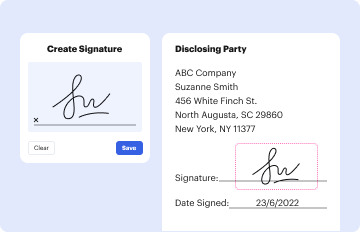
Draw your signature, type it, upload its image, or use your mobile device as a signature pad.
03. Share your form with others
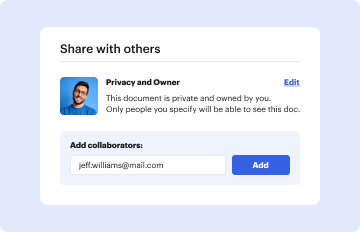
Send what is trade practices via email, link, or fax. You can also download it, export it or print it out.

How to use or fill out trade practices with our platform

Form edit decoration
9.5
Ease of Setup
DocHub User Ratings on G2
9.0
Ease of Use
DocHub User Ratings on G2
  1. Click ‘Get Form’ to open the trade practices document in the editor.
  2. Begin by filling in the 'NAME OF PLAINTIFF' and 'NAME OF DEFENDANT' fields at the top of the form. Ensure that you provide accurate names as these will be critical for your case.
  3. In section 1, enter the plaintiff's residency details, including county and address. This establishes jurisdiction and is essential for legal proceedings.
  4. For sections 2 and 3, input the defendants' information, including their business status and registered agent details. This information is vital for service of process.
  5. Proceed to section 4 where you will describe the life insurance policy application details. Be specific about dates, amounts, and policy numbers as this supports your claims.
  6. In sections 5 through 14, detail any fraudulent actions or misrepresentations made by the defendants. Use clear language to outline how these actions have affected you.

Start using our platform today to streamline your document editing and ensure a smooth completion of your trade practices form!

be ready to get more

Complete this form in 5 minutes or less

Get form

Got questions?

We have answers to the most popular questions from our customers. If you can't find an answer to your question, please contact us.
Contact us
Modern Trade (MT) refers to organized retail outlets that follow a structured and technology-driven approach to selling. This includes supermarkets, hypermarkets, Department stores, online retailers (e-commerce), and convenience chains like Reliance Fresh, Big Bazaar, D-Mart, etc.
The phrase unfair trade practices can be defined as any business practice or act that is deceptive, fraudulent, or causes injury to a consumer. These practices can include acts that are deemed unlawful, such as those that violate a consumer protection law.
Unfair Trade Practices: An Overview Refusing to honor a warrantee on a product. Listing one price in an advertisement, and then charging another. Hiding a refund policy or refusing to honor it. Bait and switch schemes. Misleading consumers with false promises or guarantees.
: a method of competition, operating policy (as the use of standards of size, shape, and quality of materials), or business procedure common to members of a line of business or industry that may be formally adopted sometimes as a rule under government auspices.
Dumping and certain subsidizing are considered unfair trade practices. Safeguard laws: Global: The USITC determines whether increased imports are a substantial cause of serious injury or threat of serious injury to a U.S. industry producing like or directly competitive products.

Security and compliance

At DocHub, your data security is our priority. We follow HIPAA, SOC2, GDPR, and other standards, so you can work on your documents with confidence.

Learn more
ccpa2
pci-dss
gdpr-compliance
hipaa
soc-compliance

People also ask

Trades are skilled jobs that require focused, specialized training and education. Some common trades are in industries like construction, manufacturing, and carpentrybut the definition of trades is rapidly expanding to include careers in technology, cosmetology, culinary arts, health care, and many other industries.
42 Unfair Trade Practices Product Guarantees and False Endorsements. Companies must be prepared to honor product guarantees. Unfair Advertising. Taking Advantage of Customers. Misrepresenting a Product. Giving Misleading Price Information. Failing to Disclose Pertinent Information.

Related links