




Here's how it works
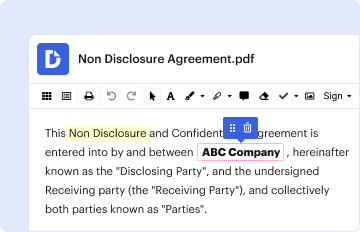
01. Edit your objection hearing online
Type text, add images, blackout confidential details, add comments, highlights and more.
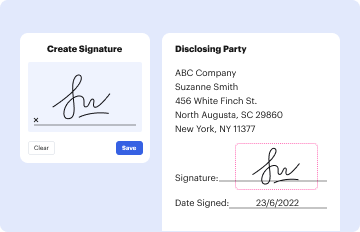
02. Sign it in a few clicks
Draw your signature, type it, upload its image, or use your mobile device as a signature pad.
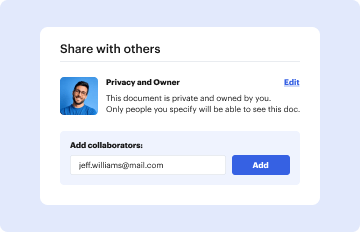
03. Share your form with others
Send objection to proposed order michigan via email, link, or fax. You can also download it, export it or print it out.
How to use or fill out Michigan Objection with our platform

- Click ‘Get Form’ to open the Michigan Objection form in the editor.
- Begin by filling out the 'Case No.' from the Notice (form FOC 54) at the top of the form.
- In sections B and C, accurately input your name as either 'Plaintiff' or 'Defendant', and include the date the notice was signed.
- In section D, provide a detailed explanation of your objections to the proposed order. Be clear and concise.
- Complete section E by signing and dating the form. Ensure all required fields are filled out correctly before proceeding.
- Make at least five copies of your completed objection form for filing and serving to other parties involved.
- File your original objection with the county clerk, keeping one copy for yourself and distributing others as needed.
Start using our platform today to streamline your document editing and filing process for free!
Fill out michigan objection online
It's free
It's free
See more michigan objection versions
We've got more versions of the michigan objection form. Select the right michigan objection version from the list and start editing it straight away!
| Versions | Form popularity | Fillable & printable |
|---|---|---|
| 2011 | 4.9 Satisfied (46 Votes) |
Got questions?
We have answers to the most popular questions from our customers. If you can't find an answer to your question, please contact us.
Contact us
What is the rule 2.119 in Michigan?
Rule 2.119 Motion Practice (A) Form of Motions (1) Unchanged (2) A motion or response to a motion that presents an issue of law must be accompanied by a brief citing the authority on which it is based.
What is the 7 day order rule in Michigan?
If you do not file written objections to the proposed order within 7 days of the date of this notice, the judge may sign the proposed order without a hearing. If the judge decides that a hearing is needed, you will be notified of the hearing date.
How to stop a garnishment in Michigan?
Filing your Objection There is no cost to file an objection to a garnishment. You must file your objection with the court within 14 days of getting the notice of garnishment to stop the garnishment. For more information, read the instructions in Im Being Garnished for a Debt That Is Not Child Support.
How do I fight a garnishment in Michigan?
Filing your Objection You can use the Do-It-Yourself Objection to Garnishment tool if you have a reason to object to the garnishment. There is no cost to file an objection to a garnishment. You must file your objection with the court within 14 days of getting the notice of garnishment to stop the garnishment.
What is the best way to stop wage garnishment?
Quick Answer. If your wages or bank account have been garnished, you may be able to stop it by paying the debt in full, filing an objection with the court or filing for bankruptcy. If youve stopped paying a debt, your creditor could sue you and try to get a judgment from a court.
Security and compliance
At DocHub, your data security is our priority. We follow HIPAA, SOC2, GDPR, and other standards, so you can work on your documents with confidence.
Learn more


Related forms

Georgia Digital Academy, Spring 2002 - Georgia Technology Authority - gta georgia
The document is the final report of the Georgia Digital Academy on Business Continuity Planning (GDABC), which aimed to ...

Docket # 36989 - Georgia Public Service Commission
The document outlines the Georgia Utility Facility Protection Act, which aims to safeguard public safety and prevent dam ...

MR-6 final report - Georgia Public Service Commission
The document is the MTP Final Report for BellSouth – Georgia, focusing on the Electronic Communications Trouble Administ ...

Final Report-Appendix D
The document is a study conducted by the Tax Research and Planning Office of the Hawaii Department of Taxation, analyzin ...

Complete Resource Book - Idaho State Parks and Recreation
The document outlines a comprehensive educational program for fourth-grade students focused on Idaho State Parks, celebr ...

SIC 2037 - deq idaho
The document is a Tier I Operating Permit issued by the Idaho Department of Environmental Quality for the J. R. Simplot ...

T J T , Inc v Ulysses Mori - Idaho State Judiciary - isc idaho
The document is a Supreme Court opinion from Idaho regarding the appeal of T.J.T., Inc. against Ulysses Mori concerning ...

ABA Standards of Practice for Lawyers who Represent - Idaho State - isc idaho
The document outlines the American Bar Association's Standards of Practice for lawyers representing children in abuse an ...
People also ask
What is the maximum garnishment allowed in Michigan?
A creditor can garnish whichever is less: up to 25% of your disposable earnings or the amount of your disposable earnings thats more than 30 times the federal minimum wage (currently $217.50). Your disposable earnings are money you get after legally required deductions from your paycheck.
How do I file an objection to a garnishment in Michigan?
You file an objection by completing the form and filing it with the same court that signed the writ of garnishment. There is no cost for filing an objection except in probate court cases. 2. Fill out the Objection form.
How do I claim exemption from garnishment in Michigan?
To claim an exemption from garnishment in Michigan, file a Claim of Exemption form with the court that issued the garnishment order. You must provide documentation proving that your income qualifies as exempt, such as Social Security benefits, veterans benefits, or other protected income sources.