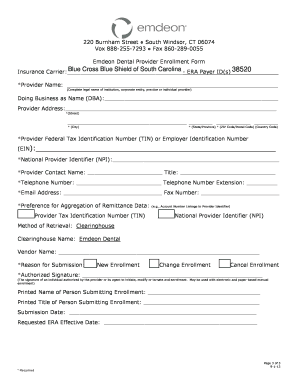
Definition and Meaning of the Delivery Form
The delivery form is a critical document used primarily to confirm the transfer of goods or services from one party to another. It outlines essential information such as the type of goods, quantity, delivery address, and the parties involved. Its purpose is to establish a record of the transaction, ensuring accountability and clarity in the delivery process.
Key Components of the Delivery Form
- Sender Information: This includes the name, address, and contact details of the party sending the goods.
- Recipient Information: Contains the name and address of the party receiving the delivery.
- Description of Goods: A detailed list of items being delivered, including quantity and condition.
- Delivery Date: Specifies the intended date of delivery, which is crucial for scheduling and logistics.
- Signatures: Both sender and recipient should sign the document to confirm agreement on the terms of delivery.
Understanding these components is vital for anyone involved in logistics and shipping, as they lay the groundwork for legal protection and dispute resolution.
How to Use the Delivery Form
Using the delivery form effectively is crucial for efficient logistics management. Here’s a thorough process on how to implement it:
- Fill Out the Form: Ensure all required fields are completed accurately, including sender and recipient details, a clear description of the items, and necessary dates.
- Review for Completeness: Check the form for any missing information or errors that could lead to confusion or delays.
- Sign and Date: Both parties must sign and date the form to make it a binding document.
- Distribute Copies: Provide copies of the signed delivery form to both the sender and recipient. This ensures that everyone has a record of the transaction.
Practical Example
For instance, a business shipping electronic devices to a retailer would detail the model numbers, quantities, and condition of the devices on the delivery form. Both parties would sign it upon receipt, ensuring transparency and accountability.
Steps to Complete the Delivery Form
Completing a delivery form accurately is essential to avoid misunderstandings. Follow these steps:
-
Start with Basic Information:
- Input the sender's name and contact details.
- Enter the recipient's name and delivery address.
-
Detail the Goods:
- List each item being shipped, along with its quantity and description. For example, "Three laptops, Model XYZ, in good condition."
-
Specify Delivery Details:
- Include the expected delivery date and any special instructions for handling the package.
-
Finalize with Signatures:
- Secure signatures from both the sender and recipient, confirming that they agree to the details provided.
Importance of Accuracy
Inaccurate information can lead to delivery delays, disputes, or even loss of items. Therefore, meticulous attention to detail when completing the delivery form is imperative.
Important Terms Related to the Delivery Form
Familiarity with terminology associated with delivery forms helps ensure clarity in logistics processes. Here are key terms:
- Proof of Delivery (POD): A document signed by the recipient acknowledging receipt of the goods.
- Delivery Receipt: Often interchangeable with the delivery form; it confirms completion of the delivery transaction.
- Liability Waiver: A clause that may be included in the delivery form to limit the sender's responsibility for damages or losses during delivery.
Understanding these terms can assist stakeholders in comprehending their rights and obligations during shipping and handling processes.
Who Typically Uses the Delivery Form
The delivery form is widely utilized across various sectors. Key users include:
- Retail Businesses: To confirm deliveries of goods to stores or customers.
- Shipping Companies: As part of their operational protocols to ensure accountability.
- Manufacturers: When shipping product batches to distributors or retailers.
- Individuals: For personal shipments, such as moving boxes or gifts.


Real-World Usage Scenarios
For instance, a printer delivering office supplies to a corporation would use a delivery form to document the items sent, protect against disputes, and ensure that both sender and receiver acknowledge the transaction.
Legal Use of the Delivery Form
The legal implications surrounding the delivery form make it a critical document in business transactions. Its primary function is to serve as proof that goods have been delivered as agreed. In legal disputes, the delivery form can be used as evidence to support claims regarding delivery timelines, item condition, and responsibilities of both parties.
Key Legal Considerations
- Enforceability: Ensure that the form complies with relevant laws, such as the Uniform Commercial Code (UCC) in the United States, which governs commercial transactions.
- Dispute Resolution: A properly executed delivery form can help resolve disputes over deliveries, providing a clear record of what was agreed upon.
Examples of Using the Delivery Form
The delivery form can be employed in various scenarios. Here are some common examples:
- E-commerce Shipments: Online retailers use delivery forms to track and confirm orders shipped to customers.
- Freight and Logistics: Freight companies complete delivery forms when transporting goods, establishing a chain of custody.
- Inter-company Transfers: Organizations transferring assets between departments or branches utilize delivery forms to maintain accurate records of property movement.
These examples highlight the versatility and importance of the delivery form in maintaining accountability and facilitating effective logistics management.