


Jurisdiction over defendant 2026

Get Form
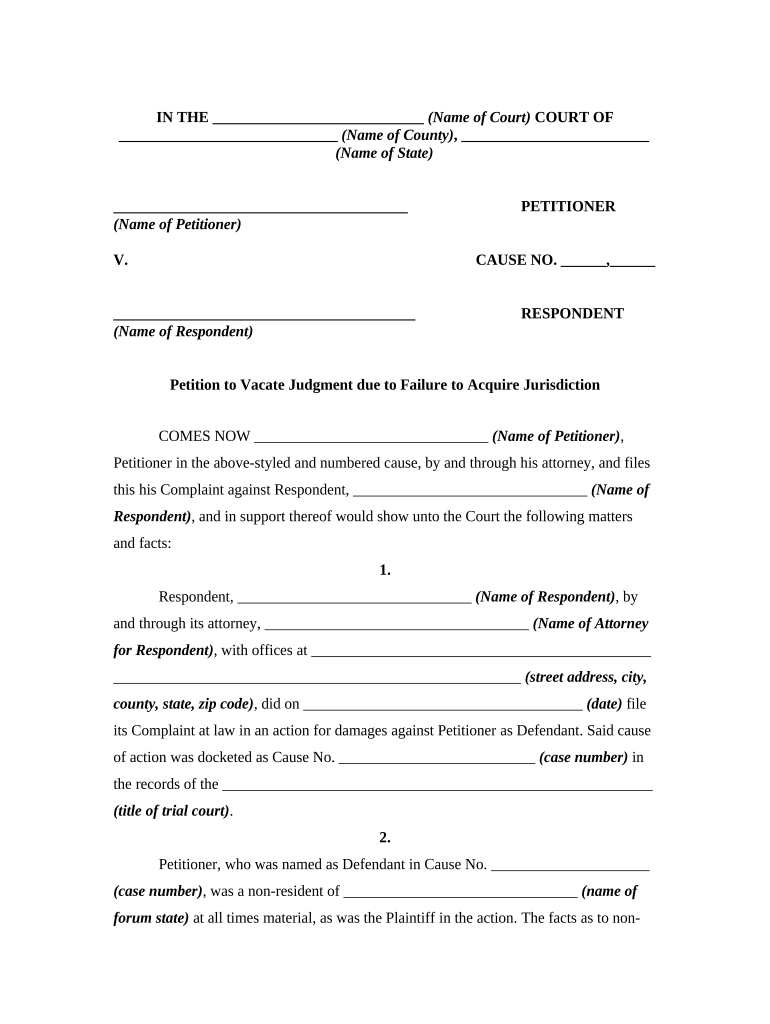
jurisdiction over defendant Preview on Page 1

Here's how it works

01. Edit your form online
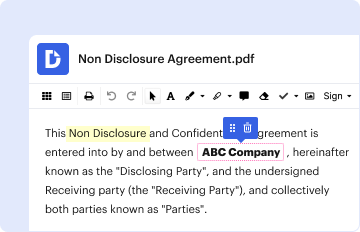
Type text, add images, blackout confidential details, add comments, highlights and more.
02. Sign it in a few clicks
Draw your signature, type it, upload its image, or use your mobile device as a signature pad.
03. Share your form with others
Send it via email, link, or fax. You can also download it, export it or print it out.

How to use or fill out jurisdiction over defendant with our platform

Form edit decoration
9.5
Ease of Setup
DocHub User Ratings on G2
9.0
Ease of Use
DocHub User Ratings on G2
  1. Click ‘Get Form’ to open the jurisdiction over defendant document in the editor.
  2. Begin by filling in the court name, county, and state at the top of the form. This establishes the legal context for your petition.
  3. In the section for Petitioner and Respondent, enter the names of both parties involved. Ensure accuracy as this information is crucial for identification.
  4. Proceed to detail the case number and relevant dates where indicated. This helps track your petition within existing legal frameworks.
  5. In each numbered paragraph, provide specific facts regarding jurisdiction issues. Be clear about any failures in service or notice that support your claim.
  6. Attach any supporting documents or affidavits as necessary, referencing them appropriately within your petition.
  7. Finally, review all entries for accuracy before signing and dating at the bottom of the form. This ensures your petition is complete and ready for submission.

Start using our platform today to streamline your document editing and ensure a smooth filing process!

be ready to get more

Complete this form in 5 minutes or less

Get form

Got questions?

We have answers to the most popular questions from our customers. If you can't find an answer to your question, please contact us.
Contact us
Definition. Jurisdiction over the person of the accused is the power of the court to subject the accused to its orders and processes. Even if a court has jurisdiction over the offense, it must also acquire jurisdiction over the accused to validly try and decide the case.
In civil cases, jurisdiction over the person of the defendant is acquired either by his voluntary appearance in court and his submission to its authority or by service of summons.
Personal jurisdiction or in personam jurisdiction refers to a courts power over a person (or entity) who is a party to, or involved in, a case or controversy before the court, including its power to render judgments affecting that persons rights. 1. Personal Jurisdiction, Blacks Law Dictionary (10th ed.
Personal jurisdiction means the judge has the power or authority to make decisions that affect a person. For a judge to be able to make decisions in a court case, the court must have personal jurisdiction over all of the parties to that court case.
Jurisdiction over the subject matter in criminal cases is the courts legal power to try and decide a particular offense or violation of penal law. This is conferred by law and determined by the allegations in the Complaint or Information.

Security and compliance

At DocHub, your data security is our priority. We follow HIPAA, SOC2, GDPR, and other standards, so you can work on your documents with confidence.

Learn more
ccpa2
pci-dss
gdpr-compliance
hipaa
soc-compliance

People also ask

The Constitution grants the Supreme Court original jurisdiction over cases affecting ambassadors and public ministers and cases in which a state is a party, leaving the remainder of cases within the judicial power to the Courts appellate jurisdiction, with such exceptions, and under such regulations as the Congress
Personal jurisdiction refers to the power that a court has to make a decision regarding the party being sued in a case. Before a court can exercise power over a party, the U.S. Constitution requires that the party has certain minimum contacts with the forum in which the court sits.

Related links