Termination lease agreement 2026

Get Form
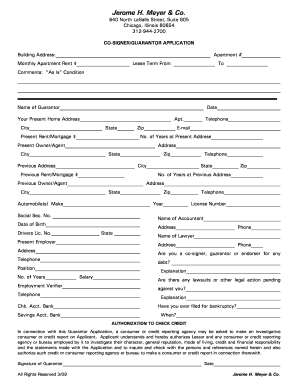
owner operator lease termination agreement pdf Preview on Page 1

Here's how it works

01. Edit your owner operator lease termination agreement pdf online
Type text, add images, blackout confidential details, add comments, highlights and more.

02. Sign it in a few clicks
Draw your signature, type it, upload its image, or use your mobile device as a signature pad.

03. Share your form with others
Send lease termination agreement trucking via email, link, or fax. You can also download it, export it or print it out.

Definition and Meaning of Termination Lease Agreement

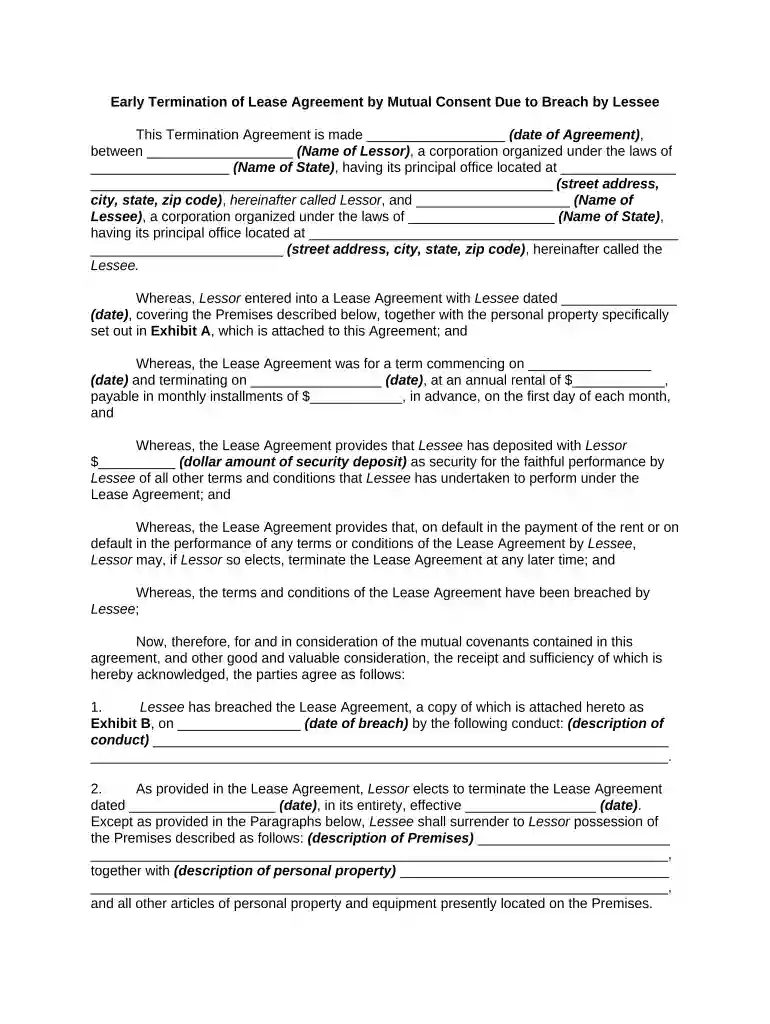
A termination lease agreement is a legal document that formally ends a rental contract between a landlord (lessor) and tenant (lessee). This agreement specifies the conditions under which the lease is terminated and outlines the responsibilities of both parties following that termination.

Key Components of the Agreement

  • Effective Date: The specific date on which the lease will officially end.
  • Surrender of Premises: Details on when and how the lessee must vacate the property.
  • Breach Circumstances: Description of the situations leading to termination, such as failure to pay rent or breach of contract terms.
  • Security Deposits: Information about the return or retention of any security deposits, including possible deductions for damages.
  • Indemnification Clause: Provisions that release parties from liability relating to claims regarding the property.

Understanding these key components helps both leaser and lessee navigate potential conflicts and ensures an orderly conclusion to the leasing relationship.

How to Use the Termination Lease Agreement

Utilizing a termination lease agreement effectively requires careful attention to detail. Both parties need to ensure that the agreement accurately reflects their intentions and complies with relevant laws.

  1. Review the Existing Lease: Before drafting a termination agreement, both parties should review their original lease document to understand their rights and obligations.
  2. Draft the Agreement: The termination lease agreement should clearly articulate the reason for termination, effective date, and any conditions regarding the return of deposits or repairs.
  3. Sign the Agreement: Both parties must sign and date the document to make it legally binding. Witness signatures may be required in certain jurisdictions.
  4. Distribute Copies: After signing, provide a copy to all parties involved for their records. This helps to ensure that everyone is aware of the agreed terms.

These steps provide a clear framework to follow, ensuring that both parties are informed and protected throughout the termination process.

Steps to Complete the Termination Lease Agreement

Completing a termination lease agreement involves several essential steps that help uphold the interests of both parties involved.

  1. Gather Required Information:

    • Identity of all parties
    • Address of the property
    • Lease details (start date, expiration date)
  2. Specify Termination Reasons:

    • Clearly state the reason for termination, such as lease violations or mutual agreement.
  3. Outline the Terms:

    • Include the termination date
    • Details regarding property condition and return of keys
    • Any obligations for cleaning or repairs
  4. Review State Laws:

    • Ensure that the agreement complies with your state’s rental laws, which may include notice periods or specific procedural requirements.
  5. Finalize and Sign:

    • Both parties review the final terms before signing. It is advisable to have each signature witnessed or notarized where applicable.

By following these structured steps, both the lessor and lessee can ensure that the termination process is clear, mutual, and legally compliant.

Important Terms Related to Termination Lease Agreement

Familiarity with specific legal terminology associated with termination lease agreements is essential for both parties.

  • Lessor: The individual or entity that owns the property and grants the lease.
  • Lessee: The individual or entity that rents the property under the lease.
  • Breach of Contract: Occurs when one party fails to adhere to the terms outlined in the lease agreement.
  • Indemnification: A clause that provides protection against potential loss or damages incurred during or after the lease period.
  • Surrender Clause: Defines the conditions under which the lessee must vacate the property.

Understanding these terms fosters better communication and enhances the effectiveness of the agreement.

Who Typically Uses the Termination Lease Agreement

The termination lease agreement is utilized by various stakeholders in the real estate and rental market.

  • Residential Landlords: Individuals or companies who rent out homes or apartments.
  • Commercial Property Owners: Businesses that lease space for offices, retail, or industrial use.
  • Tenants: Both residential and commercial tenants seeking to vacate premises legally.
  • Property Managers: Professionals responsible for managing rental properties who may handle lease terminations on behalf of property owners.

Recognizing the diverse users of this agreement underscores its versatility across different types of lease arrangements.


decoration image ratings of Dochub

Legal Use of the Termination Lease Agreement

The legal framework surrounding the termination lease agreement is vital for ensuring enforceability and compliance.

  • State Regulations: Each state has specific laws regarding the termination of leases, including how much notice must be provided and the accepted grounds for termination.
  • Legality of Terms: All terms within the agreement must comply with federal and state laws, including fair housing and consumer protection regulations.
  • Documentation: Maintain thorough records of all communications and agreements related to the lease termination for legal protection.

Involving legal counsel can be beneficial to ensure that the termination agreement is compliant and serves the best interests of both parties involved.

Examples of Using the Termination Lease Agreement

Practical examples illustrate how a termination lease agreement can be applied in various contexts.

  1. Non-Payment of Rent: A landlord may initiate a termination agreement when a tenant has consistently failed to pay rent, outlining the reasons for termination and the effective date.

  2. Mutual Termination: Both parties may agree to terminate the lease early for reasons such as mutual consent or changes in business needs, emphasizing cooperation.

  3. Lease Modifications: In instances where a tenant needs to vacate before the lease term ends due to job relocation, a termination lease agreement can provide a formal exit strategy.

These scenarios demonstrate the agreement’s application and importance in managing lease relationships effectively.

be ready to get more

Complete this form in 5 minutes or less

Get form

Got questions?

We have answers to the most popular questions from our customers. If you can't find an answer to your question, please contact us.
Contact us
Give Advanced Written Notice Its typically best to provide a written notice to your landlord, at least 30 to 60 days in advance of moving out, that you plan to break your lease. In your notice, include a move-out date and your reasons for breaking your lease.
To terminate early without penalty, seek a written agreement or mutual release. Document all communications and consider negotiating terms like a lease break fee or subletting options to minimize financial impact.
If you have a 30-day lease, you can end it by giving the landlord 30 days notice that you are going to move. You should put the notice in writing. Date it and sign it. Be sure to keep a copy of the notice.
As a tenant, the penalty for breaking a lease in Utah is that youd be liable for the remaining rent due on your lease. However, if you break your lease, your landlord must try and find a replacement tenant.
If the rental period is between six months and one year, the rental agreement can be ended earlier if both the landlord and tenant agree. A rental agreement may also be ended earlier if either the landlord or the tenant does not do something that is required by the rental agreement.

Security and compliance

At DocHub, your data security is our priority. We follow HIPAA, SOC2, GDPR, and other standards, so you can work on your documents with confidence.
Learn more
ccpa2
pci-dss
gdpr-compliance
hipaa
soc-compliance