






Definition & Meaning of Temporary Medical Power of Attorney
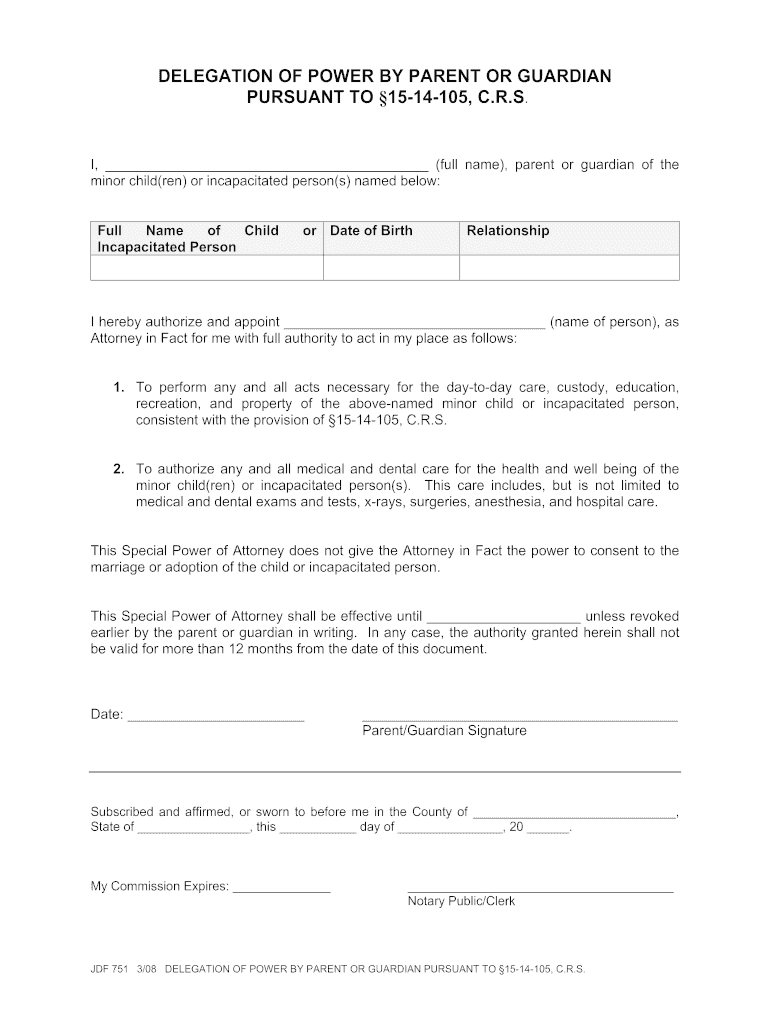
A temporary medical power of attorney is a legal document that allows a designated individual, known as the Attorney in Fact, to make medical decisions on behalf of a minor child or an incapacitated person. This legal delegation is limited in time, typically valid for up to twelve months, and does not permit the Attorney in Fact to consent to actions like marriage or adoption. This document is vital for scenarios where parents or guardians are unable to be present due to travel, hospitalization, or military service.
How to Use the Temporary Medical Power of Attorney
Utilizing a temporary medical power of attorney involves a few key steps. Firstly, the principal, usually a parent or guardian, needs to clearly state the scope of authority granted to the Attorney in Fact. This includes specifying the types of medical decisions the Attorney in Fact is authorized to make. Clear communication with healthcare professionals is crucial to ensure they understand the Attorney in Fact's role. Once the document is completed, it should be readily accessible to the Attorney in Fact and medical providers involved in the care of the child or incapacitated person.
Steps to Complete the Temporary Medical Power of Attorney
- Identify the Participants: Clearly state the names of the principal, the Attorney in Fact, and the person receiving medical care.
- Define the Scope of Authority: Specify the types of medical decisions the Attorney in Fact can make, such as treatment options and hospital transfers.
- Establish the Time Frame: Indicate the start and end dates for when the power of attorney is active, which should not exceed twelve months unless state laws stipulate otherwise.
- Sign and Notarize: The document should be signed by the principal and, in many cases, notarized to ensure legal validity.
- Distribute Copies: Provide copies to the Attorney in Fact, involved medical facilities, and keep one for personal records.
Who Typically Uses the Temporary Medical Power of Attorney
This form is predominantly used by parents or legal guardians who need to temporarily delegate medical decision-making authority due to their physical absence. It is beneficial for military families, parents undergoing extended business travel, or guardians with health issues requiring hospitalization. It also serves well for extended family members who may temporarily care for a child, ensuring no lapse in decision-making if urgent medical attention is required.


Legal Use of the Temporary Medical Power of Attorney
The legal framework of a temporary medical power of attorney is designed to facilitate urgent medical decisions while adhering to state regulations. It is crucial that the document complies with the specific legal requirements of the state in which it is enacted. Parents and guardians must ensure that the authority granted is precise and documented correctly to avoid any disputes. Hospitals and medical practitioners must recognize the authority of the Attorney in Fact as outlined in the document, which should be accessible at all times in medical situations.
Key Elements of the Temporary Medical Power of Attorney
- Principal's Authority: Clearly defined powers granted to the Attorney in Fact.
- Expiration Date: The period during which the power is effective, following state-mandated limits.
- Documentation: Requirements for legal recognition, including signatures and potential notarization.
- Revocation Terms: Conditions under which the power of attorney can be revoked or modified.
Examples of Using the Temporary Medical Power of Attorney
Consider a scenario where parents are deployed overseas for military service for six months. A temporary medical power of attorney allows a trusted relative to handle medical decisions for their child during this period. In another case, a guardian undergoing surgery authorizes a friend to manage medical care for their dependent, ensuring continuous and informed health care provision. Such examples highlight the legal instrument's essential role in bridging periods of absence.
State-Specific Rules for the Temporary Medical Power of Attorney
Different states have specific requirements and restrictions regarding temporary medical power of attorney. For instance, while some states may require notarization, others might need witnesses. The allowable duration of authority can also vary, with some states permitting an extension beyond twelve months under special circumstances. Understanding these nuances is crucial for drafting an effective document aligned with regional laws.
Required Documents for Temporary Medical Power of Attorney
To successfully execute a temporary medical power of attorney, several documents are typically required:
- Identification: Valid ID for the principal and potentially the Attorney in Fact.
- Proof of Relationship: Documentation showing the relationship between the principal and Attorney in Fact.
- Medical Information: Current medical details of the minor or incapacitated person.
- Legal Forms: State-specific power of attorney forms that comply with local legal standards.
Why You Should Consider a Temporary Medical Power of Attorney
Creating a temporary medical power of attorney ensures continuous care for dependents during anticipated periods of absence. It eliminates uncertainty in emergency situations, as decisions can be made promptly by a designated authority. When faced with unforeseen medical issues, the existence of this document alleviates stress by streamlining the approval process for medical treatments and interventions, safeguarding the dependent's health and well-being effectively.