

Mutual Wills Package with Last Wills and Testaments for Married Couple with Minor Children - South Dakota 2026

Get Form
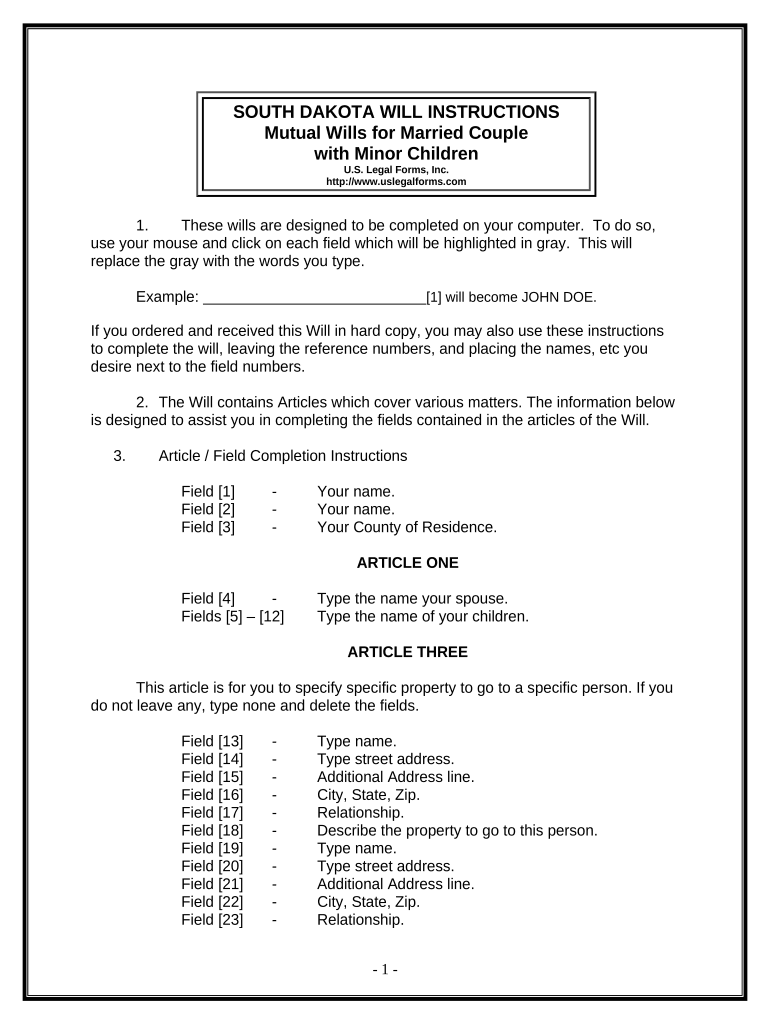
Mutual Wills Package with Last Wills and Testaments for Married Couple with Minor Children - South Dakota Preview on Page 1

Here's how it works

01. Edit your form online
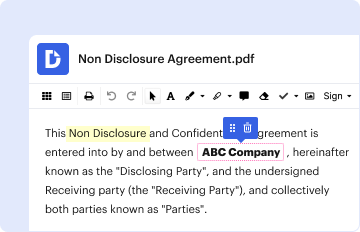
Type text, add images, blackout confidential details, add comments, highlights and more.
02. Sign it in a few clicks
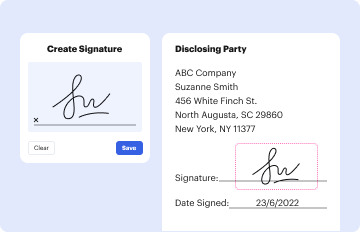
Draw your signature, type it, upload its image, or use your mobile device as a signature pad.
03. Share your form with others
Send it via email, link, or fax. You can also download it, export it or print it out.

How to use or fill out Mutual Wills Package with Last Wills and Testaments for Married Couple with Minor Children - South Dakota

Form edit decoration
9.5
Ease of Setup
DocHub User Ratings on G2
9.0
Ease of Use
DocHub User Ratings on G2
  1. Click ‘Get Form’ to open it in the editor.
  2. Begin by entering your name in Field [1] and your spouse's name in Field [4]. This establishes the primary parties involved.
  3. Fill in the names and birthdates of your children in Fields [5] through [12]. This ensures that all beneficiaries are clearly identified.
  4. In Article Three, specify any specific property you wish to bequeath. If none, simply type 'none' in the designated fields.
  5. Complete Article Four by entering your spouse's name again for homestead designation. If jointly owned, note that it will pass directly to them regardless of the will.
  6. Continue filling out Articles Five through Eleven, detailing the distribution of remaining property, appointing a guardian for minor children, and naming a personal representative.
  7. Review all entries carefully before printing. Ensure signatures are obtained from two witnesses and a notary public if required.

Start using our platform today to easily complete your Mutual Wills Package online for free!

be ready to get more

Complete this form in 5 minutes or less

Get form

Got questions?

We have answers to the most popular questions from our customers. If you can't find an answer to your question, please contact us.
Contact us
In many states(most?) inheritance, to a married person, it is owned solely by the spouse who inherits it. It becomes community property if the inheritance money is intermingled with jointly owned money such as a married couples joint bank account. In that case the inheritance becomes jointly owned by both spouses.
There are different types of wills, but the four main types are wills: simple, testamentary trust, joint, and living wills. Each type is meant for different situations, satisfying varying individual needs and circumstances as part of your estate planning.
Married couples who agree on how they want their estates distributed after they die might assume a joint will is a good idea. However, for a number of reasons, creating separate is a better idea.
Different Times of Death is the Most Important Reason For Separate Will For Husband and Wife. The chances are quite high that you will not pass away at the same time. If you have a joint will when one of you passes away, it can be much more difficult to work through executing the will for just the other party.
Mirror-image wills are a great option for married couples. Theyre drafted almost identically, with each testator (the person making the will) signing their own will. Generally, theyre mirror-image simple wills.

Security and compliance

At DocHub, your data security is our priority. We follow HIPAA, SOC2, GDPR, and other standards, so you can work on your documents with confidence.

Learn more
ccpa2
pci-dss
gdpr-compliance
hipaa
soc-compliance

People also ask

If the common intention is expressed in one instrument, the will may be called a joint will, and if the testators have executed two separate instrument to manifest their common intention, the will may be called a mutual will.
Many states, if a person dies, is married and has children with their spouse, everything will go to the spouse. However, if the person who dies, has children with someone other than the wife, most times the assets are split 50/50 between the spouse the other children.

Related links