
Grant easement form 2026

Get Form
grant easement form Preview on Page 1

Here's how it works

01. Edit your form online
Type text, add images, blackout confidential details, add comments, highlights and more.
02. Sign it in a few clicks
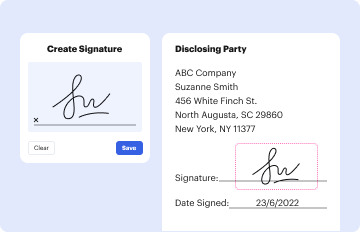
Draw your signature, type it, upload its image, or use your mobile device as a signature pad.
03. Share your form with others
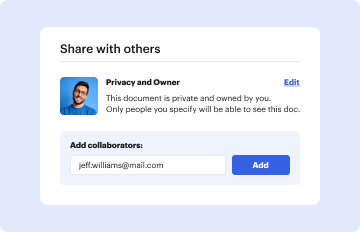
Send it via email, link, or fax. You can also download it, export it or print it out.

How to use or fill out grant easement form with our platform

Form edit decoration
9.5
Ease of Setup
DocHub User Ratings on G2
9.0
Ease of Use
DocHub User Ratings on G2
  1. Click ‘Get Form’ to open the grant easement form in the editor.
  2. Begin by filling in the date at the top of the form. This is crucial for establishing when the agreement is made.
  3. In the first section, enter the name and address of the Grantor. Ensure all details are accurate to avoid any legal issues.
  4. Next, provide the name and address of the Grantee in the designated fields. This identifies who will benefit from the easement.
  5. Insert the legal description of both tracts of land as specified in your property records. This information is essential for clarity regarding which properties are involved.
  6. Fill in the consideration amount, typically Ten Dollars ($10.00), acknowledging receipt of this payment.
  7. Complete the section detailing the purpose of the easement, specifically for light and air, along with a legal description of affected land.
  8. Finally, have both parties sign and date at the bottom of the form. If required, include a notary acknowledgment to validate your agreement.

Start using our platform today to easily complete your grant easement form online for free!

be ready to get more

Complete this form in 5 minutes or less

Get form

Got questions?

We have answers to the most popular questions from our customers. If you can't find an answer to your question, please contact us.
Contact us
Easement Types There are two main categories of easement, those being 1) appurtenant easements (also known as rights of way); and 2) easements in gross (commonly known as utility easements). We go into detail on both below. Appurtenant Easement: This is the most common form of easement seen in American property law.
While drafting a simple easement agreement could range between $2 000 -$5 000 on average, more detailed easements could attract even higher costs totaling around $15 000 -$7 000 or even more.
Easements have been used for years to grant governments, utilities and conservation organizations certain specific but limited property rights. An easement grants the holder certain rights for specified purposes while the ownership of land remains with the property owner.
This deed of easement grants a right of way over the grantors land in return for a payment made by the grantee to the grantor. It contains optional clauses for a lender to give consent to the grant of the easement.
If another party asks you to grant an easement, know that granting an easement is literally transferring ownership or control of a portion of your land. An easement is the right of a person or legal entity to use the property of another person or legal entity for a specific purpose.

Security and compliance

At DocHub, your data security is our priority. We follow HIPAA, SOC2, GDPR, and other standards, so you can work on your documents with confidence.

Learn more
ccpa2
pci-dss
gdpr-compliance
hipaa
soc-compliance

People also ask

A: An Easement Agreement should always include details such as who is responsible for maintaining or repairing any infrastructure installed under the agreement; what restrictions apply; what happens if either party bdocHubes any provisions; how long the agreement will last; and any other provisions that both parties
An easement allows public and private utilities to do work on approximately 10 feet either side of the property line without seeking permission from the property owner. The only difference between an easement and the right of way is the easement is private rather than public property.
If the landowner has a strong or positive relationship with a neighbor, he or she can grant the other person with an easement. However, if the process is only verbal, it is not often legally binding if there is a complication or legal problem that arises in the future.

Related links